

1. Floating Wall Shelves
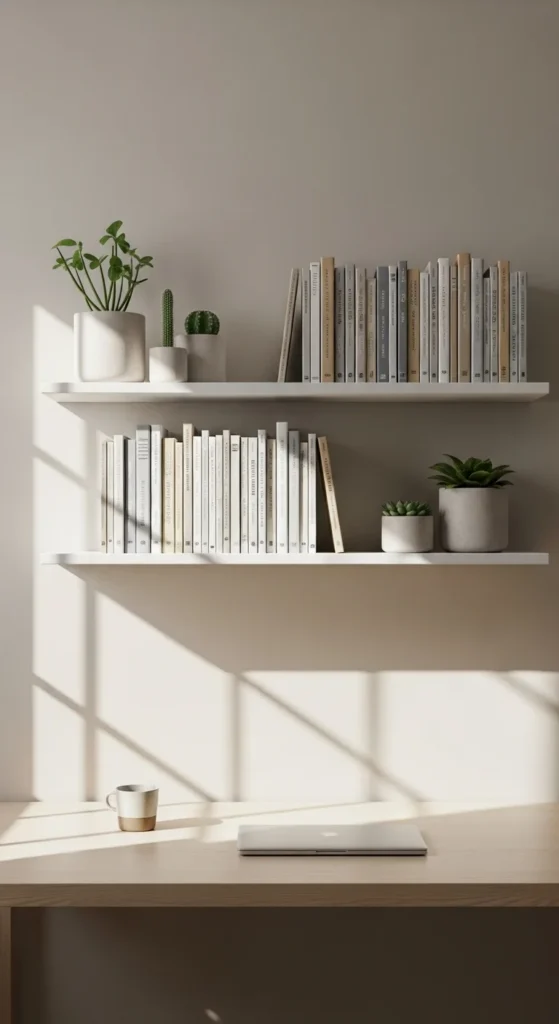
Floating wall shelves help keep your workspace open and clutter-free. They let you store books and small decor pieces while still maintaining clean desk space. Choose shelves in colors that blend with your wall paint so the look stays smooth rather than overwhelming the room. Mix a couple of small framed prints with stacked books for balance. If you’re working with a small room, go for narrow shelves that don’t protrude too far into the walk path. For DIY, cut wooden boards to the length you want, sand them well, and use metal brackets or hidden mounting hardware. Add one tiny plant for life without crowding the visual space. The key is to keep only what you frequently reach for and remove everything else. This helps your study area feel calm and visually light.
2. Pegboard Organizer Wall
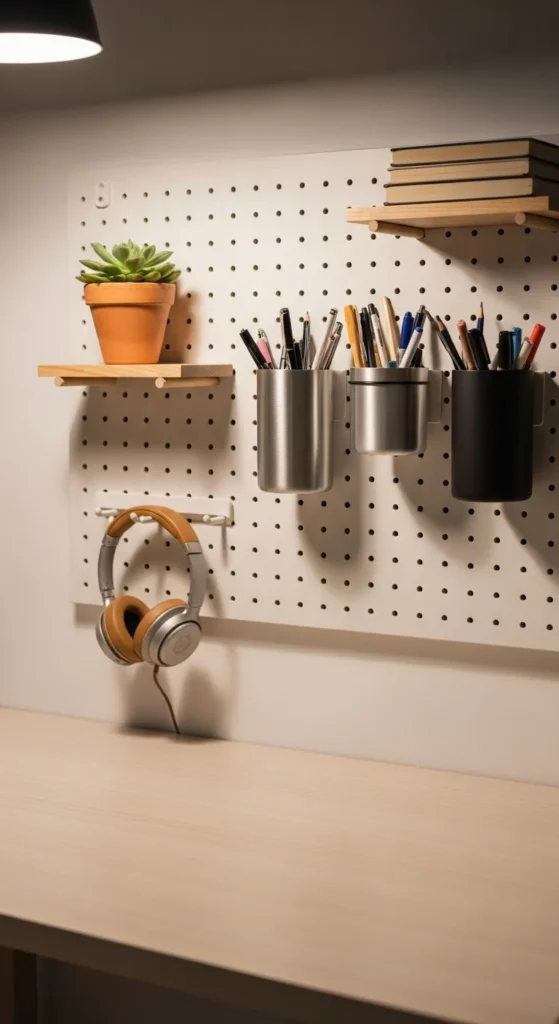
Pegboard walls are functional and stylish at the same time. They allow you to hang tools, stationery, headphones, and even small baskets. This setup is perfect when you want items close at hand but not piled on your desk. Choose a pegboard color that matches your room scheme—white blends in, while black adds contrast. You can cut pegboard panels to fit the space above your desk for a custom look. Attach lightweight shelves, hooks, and clips to arrange your everyday study accessories. Rotate items seasonally depending on what you’re working on. For a budget-friendly option, buy a basic hardware-store pegboard and spray paint it for a cleaner finish. The result is a clear, intentional workspace that helps keep your mind focused.
3. Soft Area Rug Under the Desk

A soft rug under your desk provides comfort for your feet and also adds warmth to the room. Choose one that’s low-pile so your chair can still roll smoothly. Lighter tones help brighten space, especially if the walls are darker or the room is small. Patterns can be subtle if you prefer a calm look, or slightly bold if your room needs a visual anchor. Measure your desk space so the rug extends beyond the chair when pulled out. If you’re on a budget, look for washable or cotton rugs that are easy to maintain. Adding a rug can help define your study area, especially in multi-use rooms like bedrooms or shared spaces. This small detail makes your workspace feel more personal and inviting, helping your mind settle into work mode more easily.
4. Desk Lamp with Warm Lighting
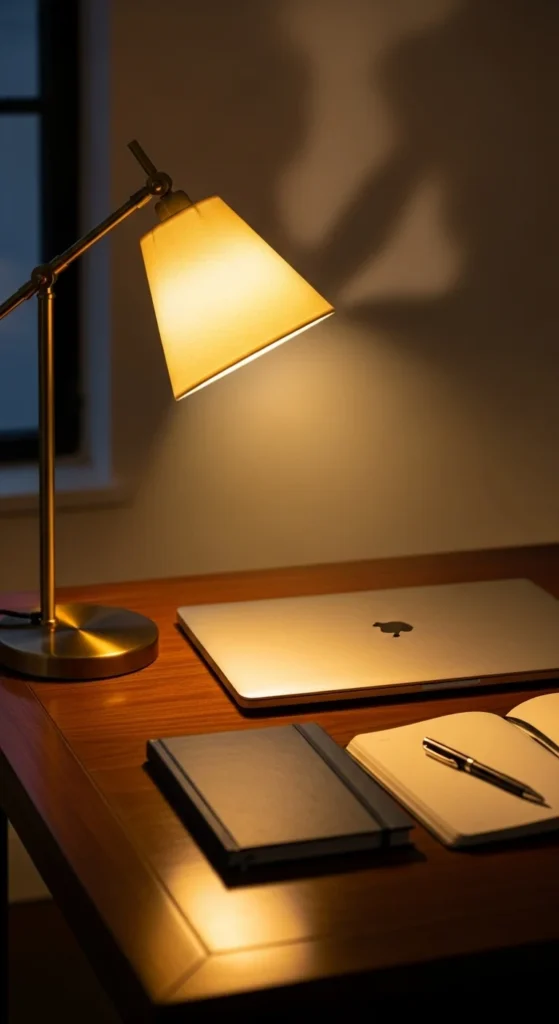
Lighting has a strong effect on focus and energy. A warm desk lamp can help maintain a calm environment while preventing eye strain. Look for lamps with adjustable arms so you can direct the light exactly where you’re working. Warm bulbs create a gentle atmosphere that is easier to stay in for long study sessions. If your desk is close to natural daylight, complement it with soft evening lighting. For a DIY detail, swap in warm LED bulbs or install a dimmer switch so you can control brightness. Use the lamp to highlight one study zone on your desk to keep it visually defined. Good lighting encourages comfortable concentration and helps build a regular study rhythm.
5. Cork Board Inspiration Wall
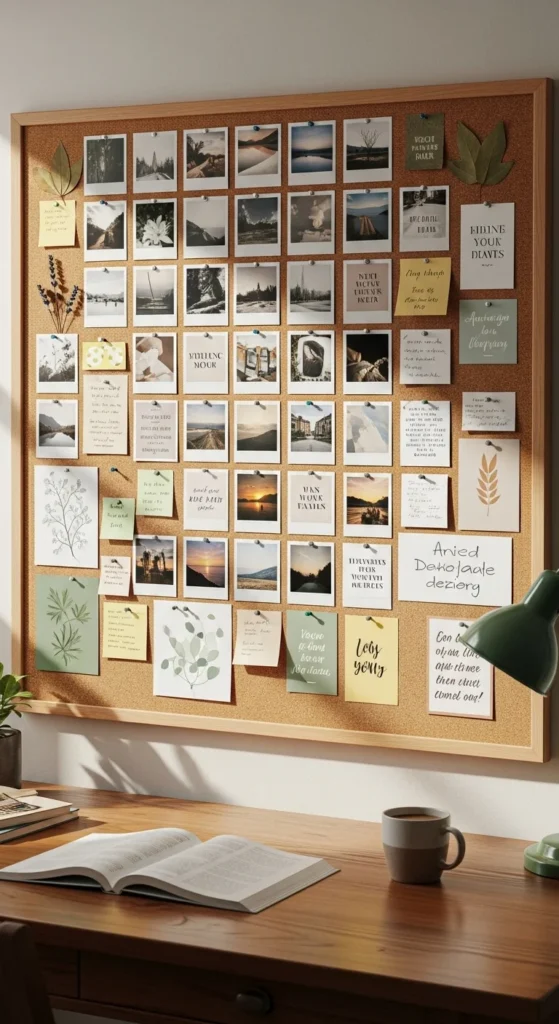
A cork board gives you a place to pin schedules, reminders, and small visual inspirations. It keeps important information visible but still organized. Choose a board size that complements your desk width. For a cleaner look, avoid overloading it—leave some breathing space between items. You can also create a border with washi tape for a handmade touch. If you’re customizing the cork board, paint the frame to match your room colors. Update the board every month to refresh your environment and keep your goals visible. This helps create mental clarity and direction while studying.
6. Minimalist Desk Setup

A minimalist desk helps reduce distraction. Keep only what you use daily: your device, a notebook, and one pen. If you enjoy decor, limit it to a plant or a small figurine. The idea is to remove visual noise so your mind can settle quickly when you sit down. Use cable clips and drawer trays to keep hidden clutter controlled. If you’re working with a shared room, store your extra items in a designated basket or shelf. Over time, you’ll notice it’s easier to start tasks when your desk looks simple and open. This type of setup promotes steady focus and peaceful working time.
7. Indoor Plants for Fresh Ambience

Plants create a calm and breathable atmosphere. You don’t need many—two or three is enough. Choose plants that thrive indoors such as pothos, snake plants, or ZZ plants. Place one on the desk and the others nearby on shelves or windowsills. The greenery adds a natural pause to your eyes when switching between tasks. Watering once a week is usually enough. If you prefer low-maintenance options, go for realistic faux plants. A touch of green helps the room feel peaceful and grounded, making long study hours more comfortable.
8. Wall-Mounted Task Calendar

A calendar on the wall gives direction to your study routine. It helps you visualize deadlines and plan your sessions. Choose one with large grid spaces so you can jot quick notes. You can print your own template each month to keep things flexible. Use color coding for subjects or priorities. If you like a cleaner aesthetic, stick to black ink and simple symbols rather than bright markers. Keeping deadlines visible helps keep your workflow smooth and steady.
9. Drawer Organizers
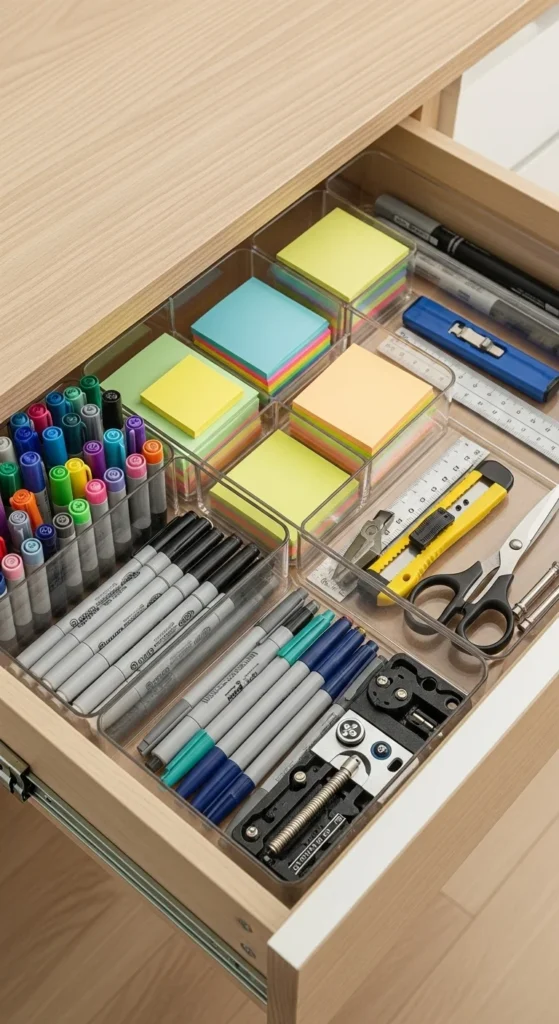
Drawer organizers stop clutter from building up on your desk. Use trays, boxes, or cutlery organizers to group similar items. Keep frequently used tools in the front section. Larger items can go toward the back. This makes cleaning up faster at the end of study sessions. You can repurpose small containers you already have instead of buying new storage. When everything has a place, your desk feels easier to use and maintain.
10. Scented Soy Candle
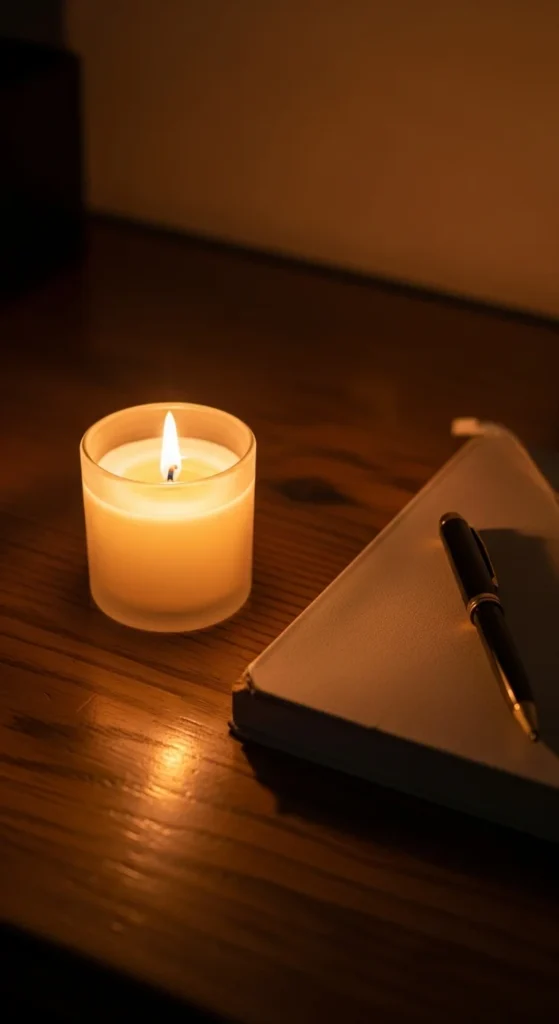
A gentle candle helps create a cozy atmosphere while studying. Choose mild scents such as vanilla, sandalwood, or linen. Keep the candle in a safe area of your desk or shelf. Lighting it before studying acts as a small ritual that signals your mind to settle. If scented candles are not preferred, choose unscented versions for the same calming effect. This small detail can make your space feel inviting and personal.
11. Woven Desk Mat
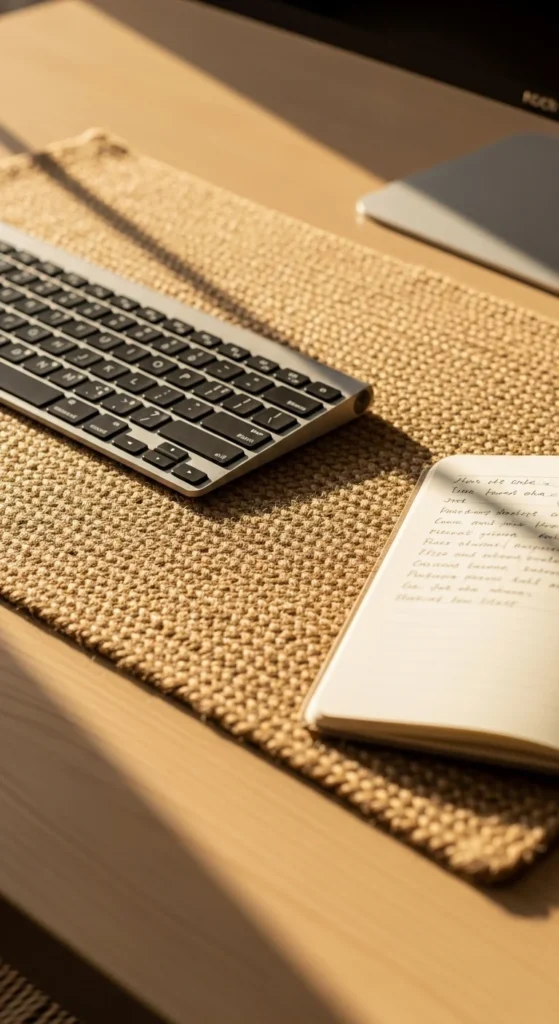
A desk mat defines your workspace and adds texture. Choose one made of jute, felt, or leather depending on the mood you want. Lighter tones help keep the look soft and calming. Desk mats also protect the surface from scratches. If you want a budget option, cut a piece of craft felt to size. This adds a smooth working zone while also grounding the look of your desk.
12. Framed Art Prints
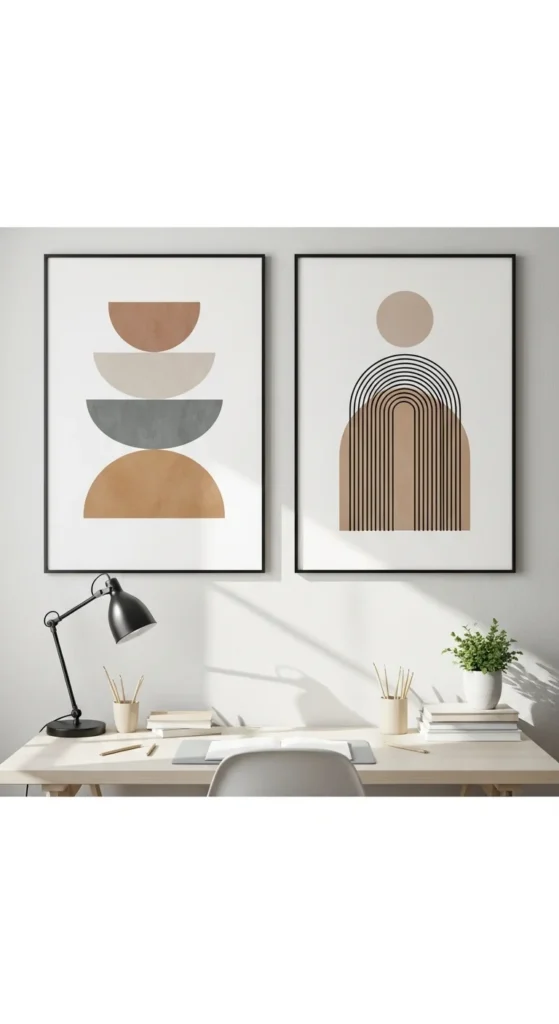
Art prints personalize your workspace. Choose calming themes or shapes that help your eyes rest. Try to avoid overly bright and busy artwork, as it can distract. Small frames arranged neatly create a tidy visual line above your desk. You can print downloadable art from online shops and use affordable frames. Refreshing the prints occasionally is a simple way to shift the atmosphere of your study room.
13. Bookshelf Divider

If your study space is part of a bedroom or living room, a bookshelf divider helps mark your study zone. The shelves offer storage and separation without blocking light. Arrange heavier books on the bottom and lighter decor on top. You can leave some shelves partially open for an airy look. This arrangement helps your brain recognize when it’s time to focus.
14. Whiteboard with Clean Layout

A whiteboard is helpful for planning tasks and outlining ideas quickly. Keep your notes simple and avoid crowding every inch of the board. Erase and refresh weekly to maintain clarity. Choose markers in black and one accent color. This helps your eyes track information easily. A whiteboard can act as your planning hub, making task transitions smoother.
15. Wooden Desk with Smooth Grain
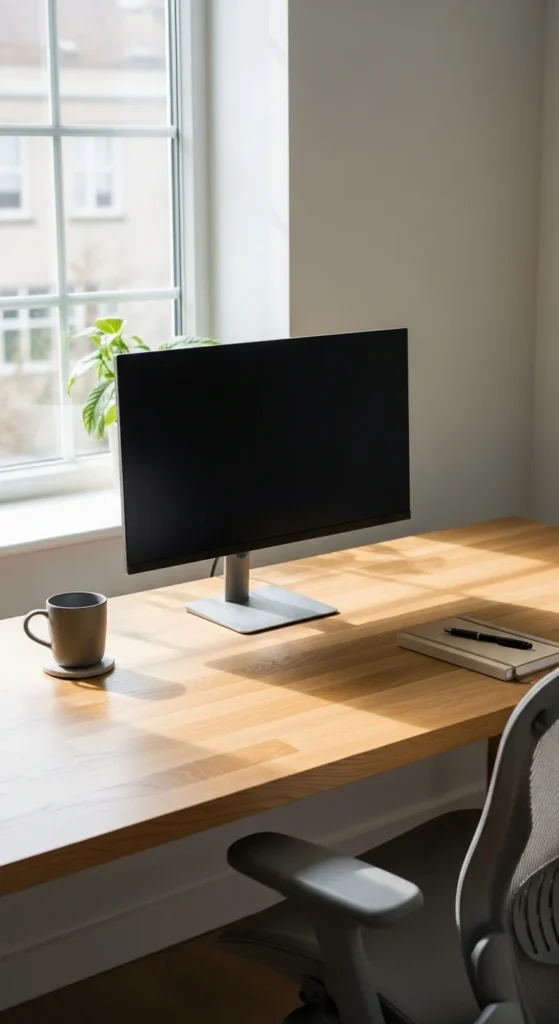
A wooden desk adds warmth to your study space. Look for smooth finishes that are comfortable to rest your arms on. If your desk surface is older, sand and apply a clear varnish to revive it. Keep the desktop surface open and spacious so you can spread out your materials. Wood tones are calming and pair well with nearly any decor style.
16. Adjustable Ergonomic Chair
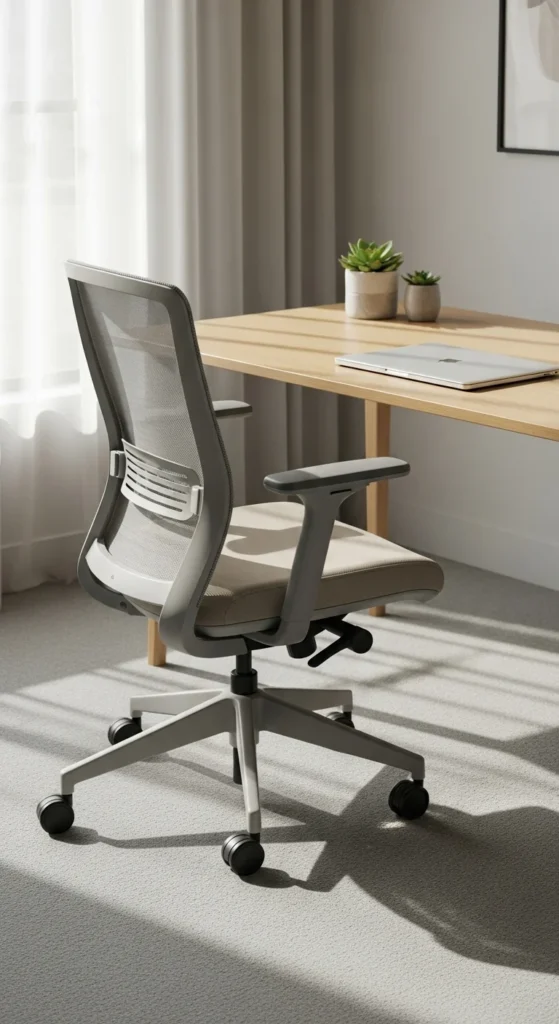
Comfort matters when studying for long periods. An ergonomic chair supports posture and helps reduce strain. Look for height adjustment and comfortable back support. If you’re working with a tight budget, add a small lumbar cushion to a basic chair. Keeping your body comfortable helps your mind stay steady during study sessions.
17. Soft Curtain Panels

Soft curtains help diffuse natural light and create a calm atmosphere. Choose sheer white or beige panels to brighten the room. If privacy is needed, layer with a heavier curtain. Curtains can also soften the edges of your study environment and make it feel more relaxed. This visual softness encourages a focused and steady mindset.
18. Laptop Stand for Better Posture
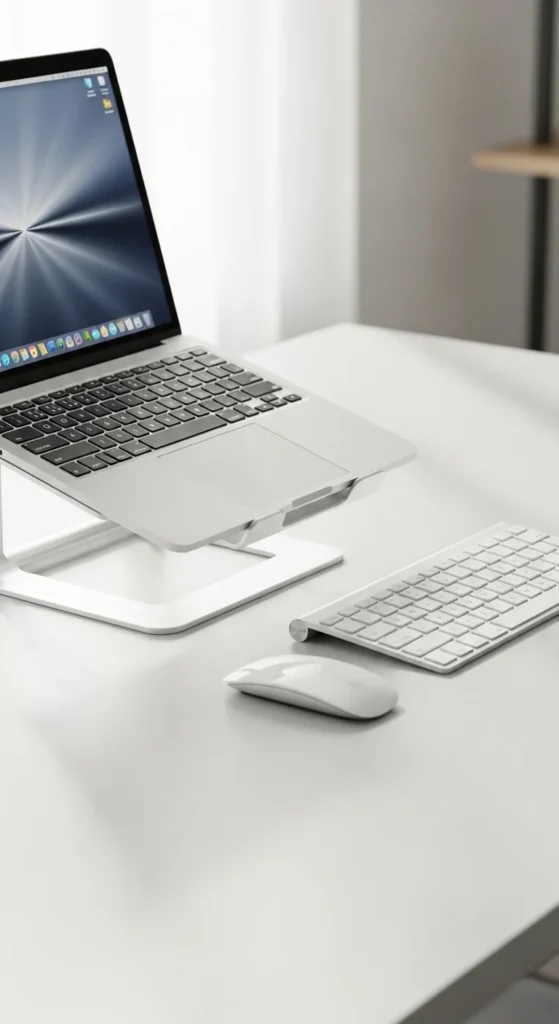
Raising your laptop to eye level prevents strain on your neck. Pair it with an external keyboard and mouse for comfort. This setup also opens space under the laptop stand for small items like notes or hard drives. Choose a stand that matches your desk theme for a cohesive look. Improving posture through desk setup helps support longer study sessions.
19. Magnetic Cable Clips
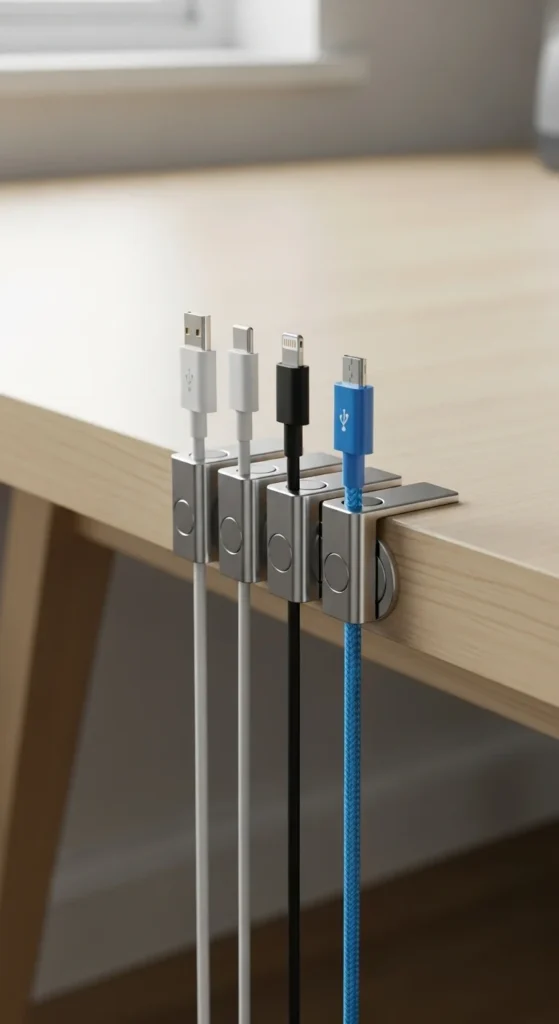
Cable clips keep cords from tangling and dropping behind your desk. You can attach them to the back or side of your workspace. Choose clips that match your desk color for a seamless look. This small tool makes organizing easier and prevents desk clutter from returning over time.
20. Soft Throw Blanket on Chair
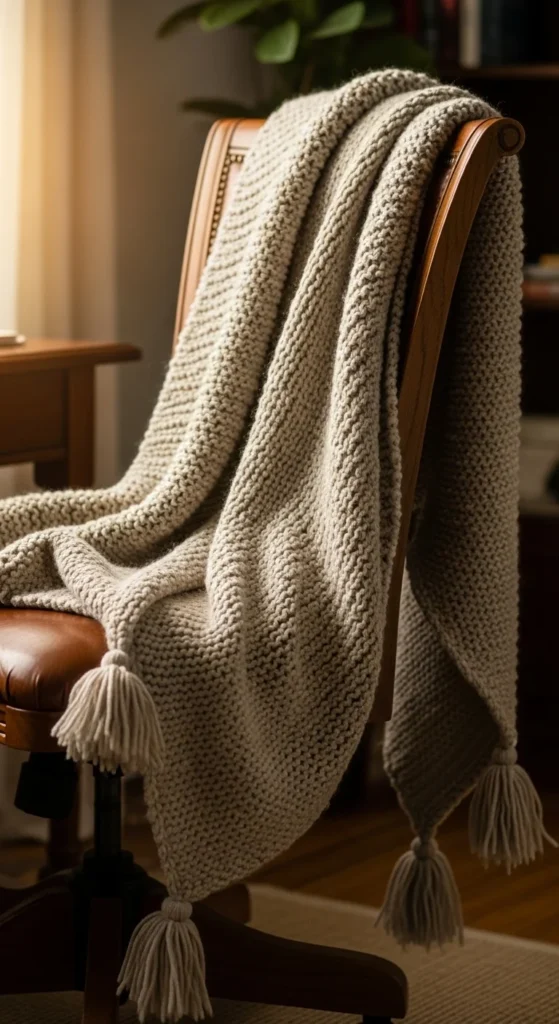
A soft throw blanket adds comfort and warmth to your workspace. Choose neutral colors that blend with the room. Drape it neatly when not in use so your workspace still looks tidy. This helps create a welcoming study environment that encourages you to sit down and begin your work peacefully.
21. Wall-Mounted File Sorter

A wall-mounted file sorter helps keep papers visible yet organized. Instead of letting worksheets and handouts stack up on your desk, assign each slot a category: current tasks, completed work, reference notes, or mail. This makes it easier to find what you need quickly, without digging through piles. You can label the sections with small adhesive tags to keep things orderly. If you like a softer aesthetic, look for fabric or rattan-style wall organizers that blend into home decor more naturally. For DIY, repurpose magazine holders by mounting them sideways on the wall. The goal is to give every paper a home so your mind can stay clear during study sessions. When your papers are sorted, you’re not distracted by loose sheets everywhere. This simple change can make your desk feel instantly lighter.
22. Under-Desk Storage Bin
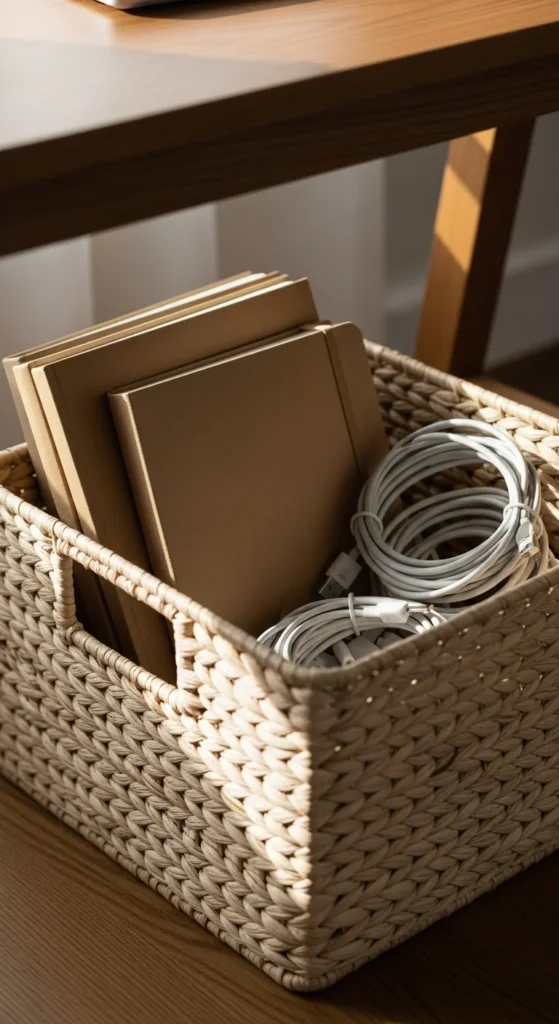
Under-desk storage bins help you keep your study materials nearby without cluttering your workspace. Choose one that fits comfortably beneath your desk without taking up leg space. Woven or fabric bins add texture and warmth, while clear plastic bins work well if you prefer to see what’s inside. Store things you don’t use constantly—extra notebooks, old assignments, or tech accessories. If you rotate subjects or semesters, you can swap items in and out seasonally. This method also encourages you to clean out old materials regularly. Keeping extra tools tucked away but easily accessible supports a clear and steady study environment.
23. Inspirational Quote Print

A simple quote print can help set the emotional tone of your study space. Choose words that encourage patience, consistency, or calm. Avoid busy or overly decorative fonts that may distract your eyes. You can print a favorite phrase at home and place it in an affordable frame. Keep it to one or two lines so it remains aesthetic rather than cluttered. Position it where your eyes naturally land when you sit down. The goal is not motivational hype—it’s a gentle reminder of your intentions every time you start studying.
24. Desk Tray for Essentials

A desk tray keeps your most-used items in one defined spot. Instead of scattering pens, sticky notes, and your favorite mug, gather them on a tray. This creates a visual boundary that makes your desk feel organized even when you’re using multiple items. Wood trays add warmth, while ceramic or metal trays look sleeker. You can even repurpose a serving tray. The tray also makes clean-up simple—just lift and move the whole set when you need the desk clear. It supports a calm and controlled work surface.
25. Overhead Shelf Ledge
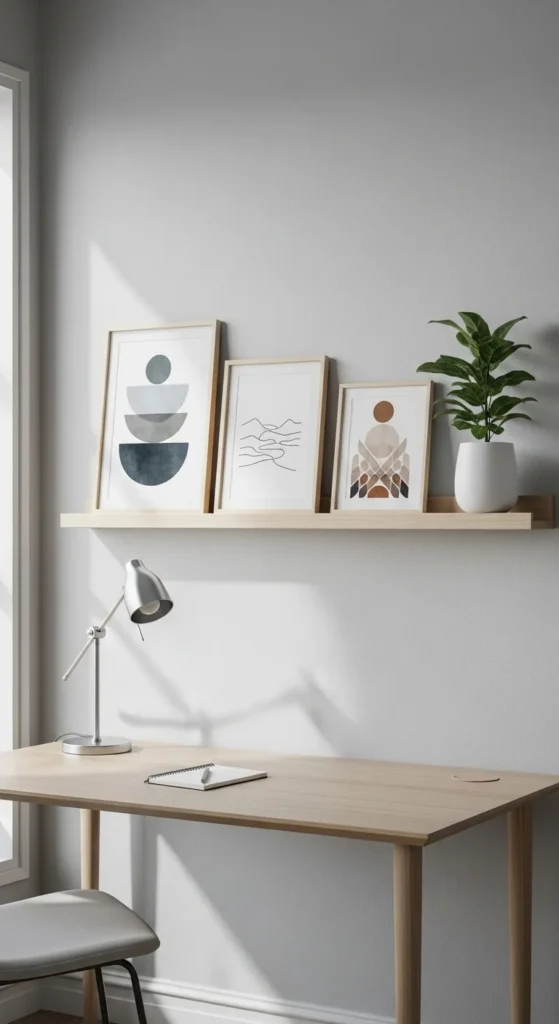
A ledge shelf offers a display space without overwhelming your desk. It’s great for art prints, small books, or plants. Unlike deep shelves, ledge shelves maintain a clean profile and don’t visually close off the space. You can rearrange items easily without drilling extra holes. Try mixing vertical and horizontal elements for interest. If buying new shelves isn’t ideal, make your own from scrap wood and two small brackets. This shelf helps your study room feel light yet thoughtfully arranged.
26. Cozy Study Nook Corner
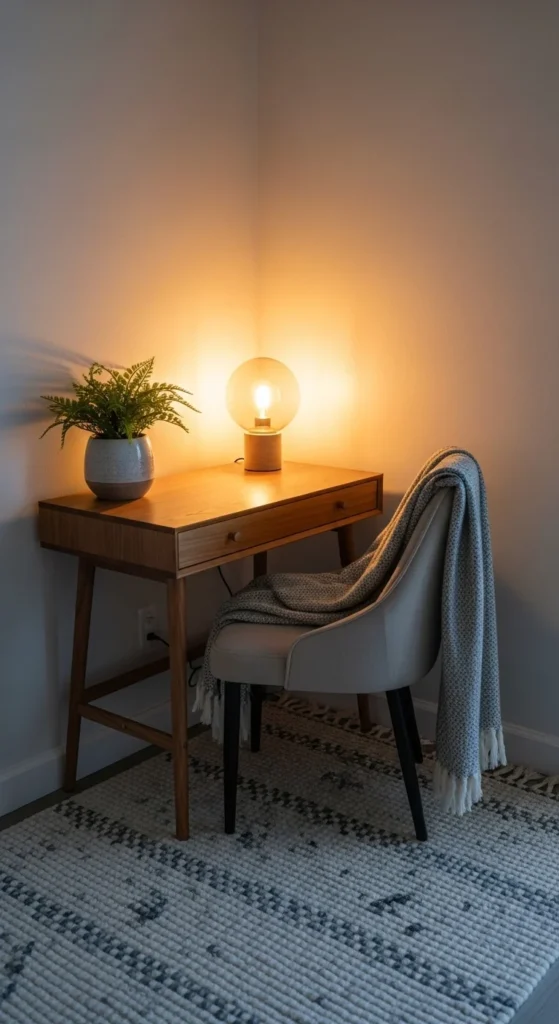
If you don’t have a full room for studying, choose a corner and build a micro-study nook. A compact desk or even a wall-mounted fold-out desk works well in tight spaces. Keep decor light to avoid making the corner feel cramped. Use vertical storage to free up floor space. Place one soft cushion or throw for comfort, but avoid piling extras. Corners can feel comforting and contained, helping your mind stay present and focused.
27. Multi-Tier Rolling Cart
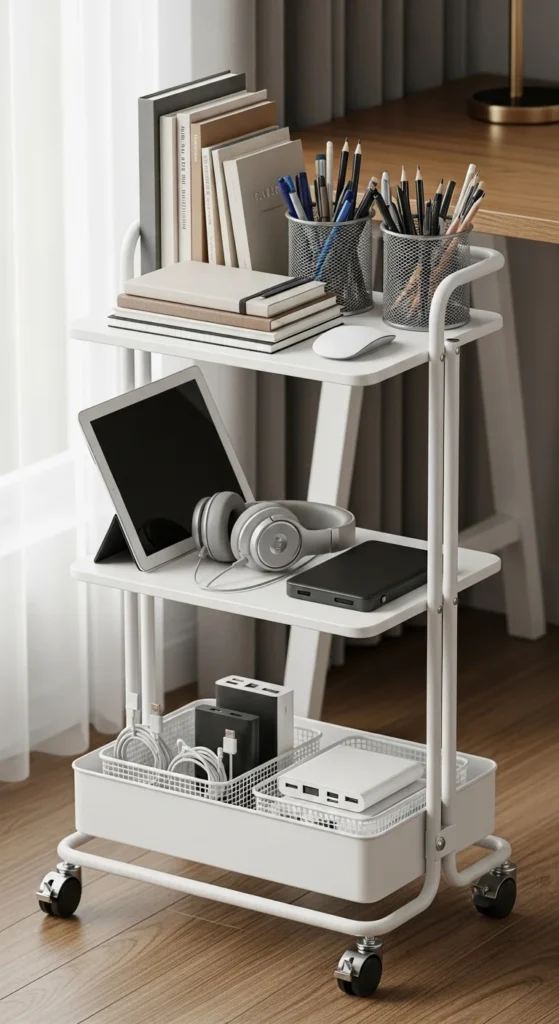
A rolling cart acts as extra storage that moves with you. Keep your study materials sorted by shelf—top for daily tools, middle for devices or chargers, bottom for reference books. You can roll the cart out when working and tuck it away when done. If your room doubles as other space, this is especially helpful. You can spray paint the cart or add labels for a custom look. This system helps maintain smooth study transitions.
28. Simple Accent Wall
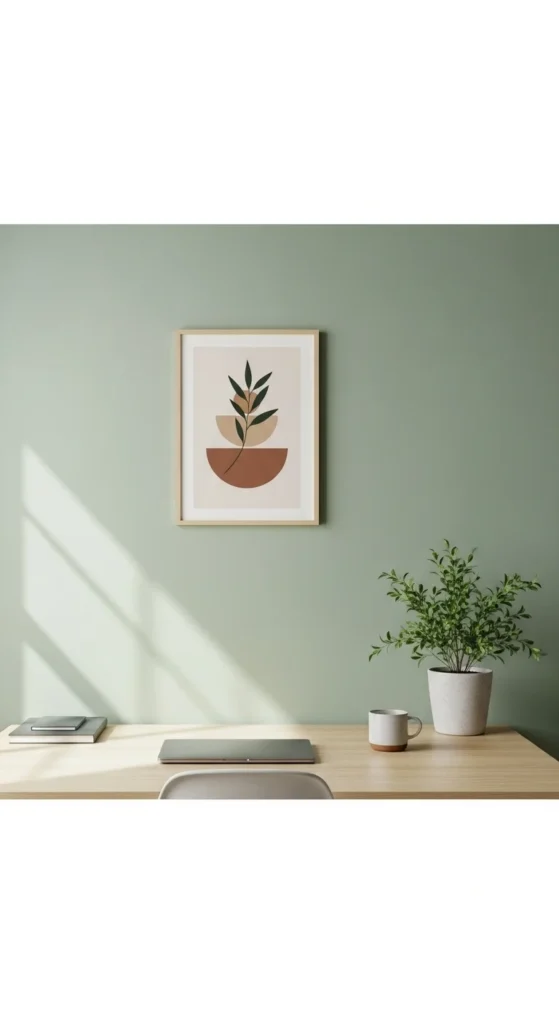
Painting just one wall can define your study area without overwhelming the room. Choose calming tones like soft sage, sand, dove gray, or oatmeal. Keep decor minimal so the color speaks for itself. If painting isn’t an option, try removable wall decals or linen-textured wallpaper. The subtle color shift helps your mind feel anchored in your study space. This gentle visual cue supports consistent focus.
29. Small Desk Clock

A small desk clock helps you manage time without constantly checking your phone. Choose a quiet, non-ticking clock to keep the atmosphere peaceful. Analog clocks offer a steady sense of passing time, which can encourage pacing study sessions naturally. Place it in your peripheral view rather than directly in front of you. This helps maintain calm awareness of time.
30. Weighted Paper Tray
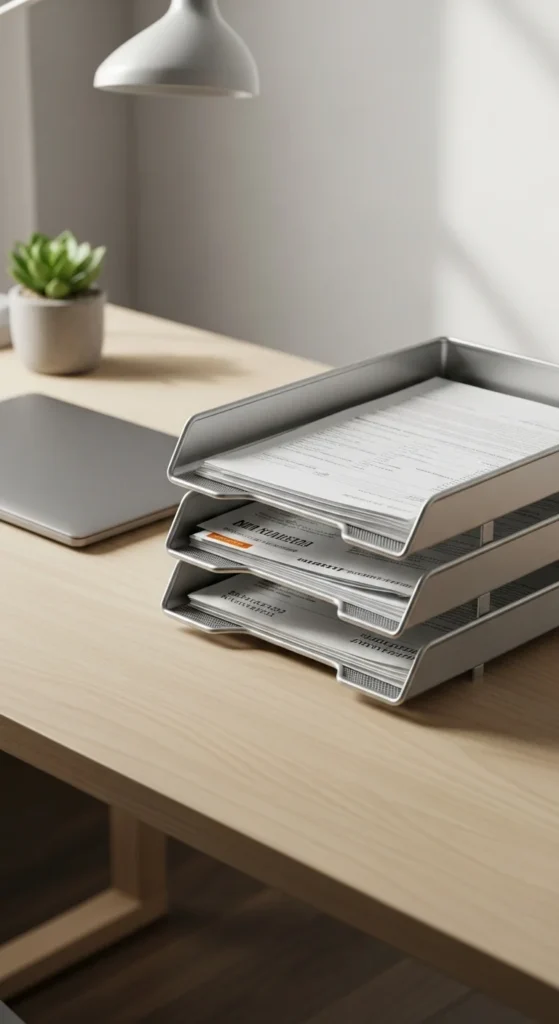
A paper tray is perfect for handling temporary papers—assignments in progress, receipts, or forms. Instead of leaving loose sheets everywhere, place them in the tray. Empty it weekly so it doesn’t become a long-term storage pile. Choose a tray material that complements your desk: metal looks modern, wood feels homey, acrylic keeps things visually light. This habit supports smooth desk upkeep.
31. Shelf Ladder Unit
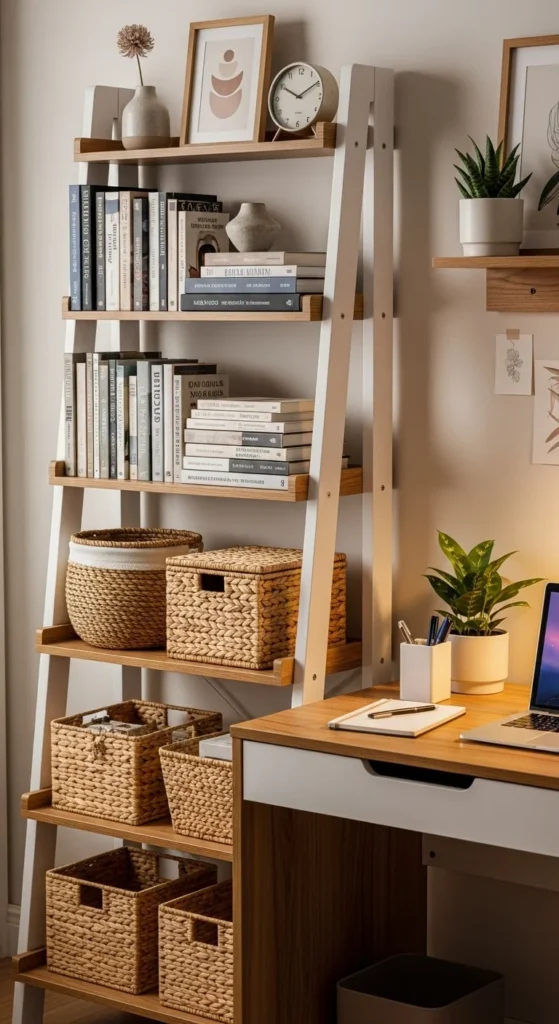
A ladder shelf adds vertical storage while keeping the room visually open. This shape draws the eye upward, making small rooms feel taller. Use lower shelves for heavier items and upper shelves for lighter decorative touches. You can place baskets on the bottom shelves to hide smaller items. It’s practical and stylish at the same time, supporting a balanced study space.
32. Clip-On Book Light
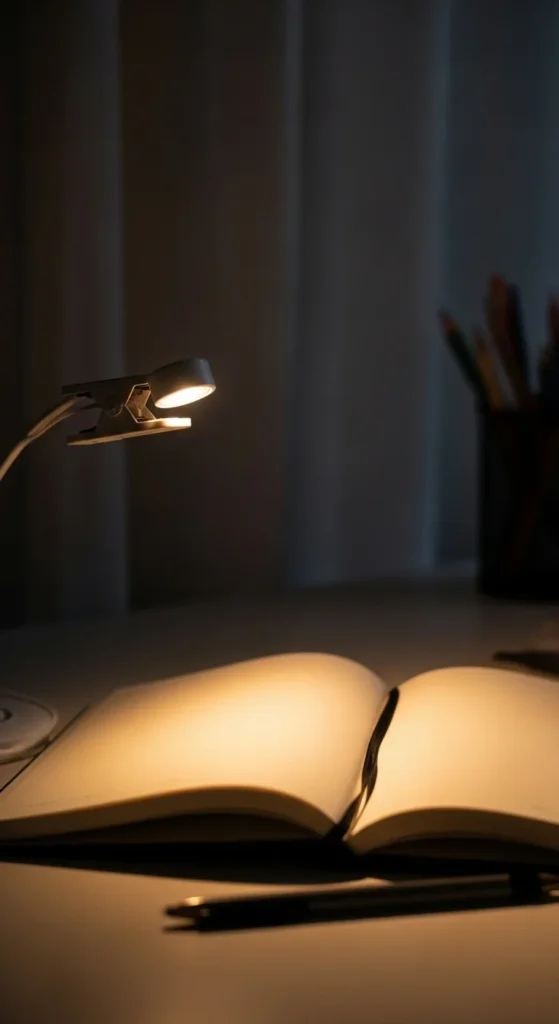
A book light is helpful for studying during early mornings or late evenings without lighting the entire room. It allows focused illumination exactly where needed. Clip it onto books, notebooks, or your laptop screen. Rechargeable versions are convenient and avoid cord clutter. This small tool supports reading comfort and maintains a quiet environment.
33. Wall Grid Display

A wall grid display gives you changeable decor space. You can switch photos, notes, or small accessories anytime without leaving marks on the wall. Mix practical and aesthetic pieces for balance. Keep spacing tidy to avoid overwhelming the grid. This adds personality while maintaining simple structure.
34. Monitor Riser

A monitor riser helps bring your screen to eye level, improving posture. Many risers come with storage space underneath for notebooks or a keyboard. If you want a DIY version, stack sturdy books under your monitor. A comfortable viewing angle supports longer study periods without strain.
35. Small Tabletop Plant Stand
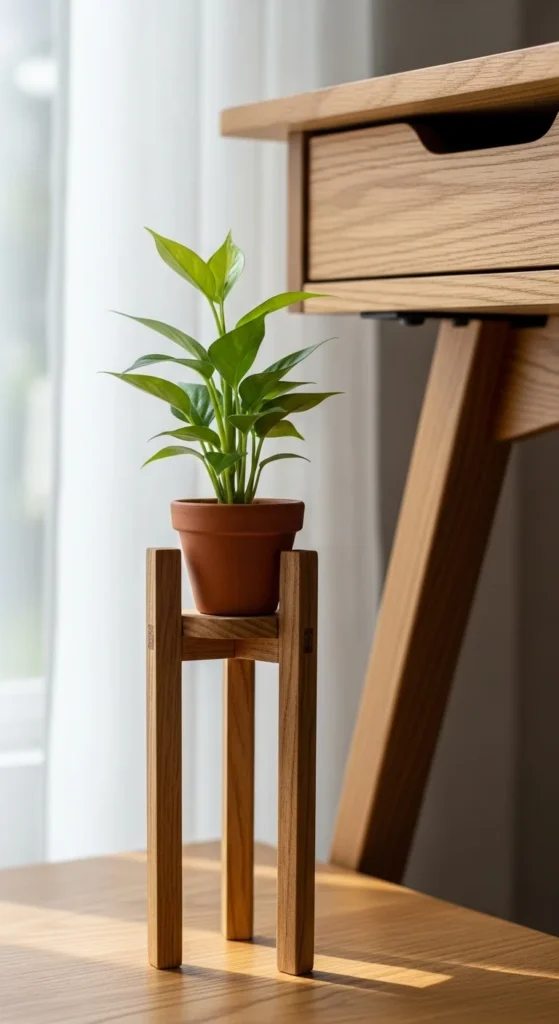
A plant stand helps highlight one special plant without taking up desk space. Choose a small stand made of wood for warmth or metal for a sleek look. One well-placed plant can add gentle brightness to your room. It introduces calm and natural balance into your study area.
36. Window-Side Desk Placement
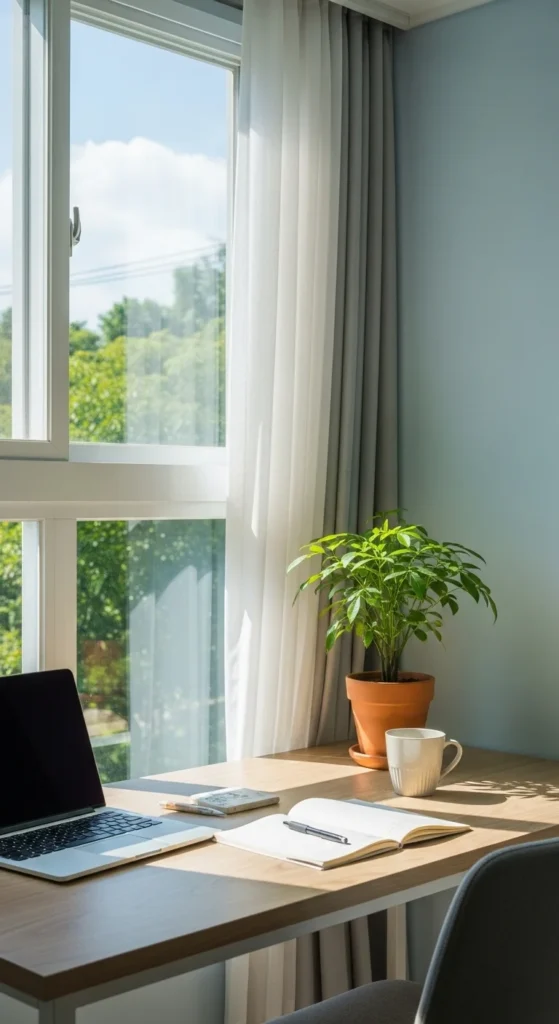
Placing your desk near a window can encourage better focus due to steady natural light. Soft daylight feels easier on the eyes than direct artificial lighting. If glare is a concern, sheer curtains help diffuse the brightness. Fresh air from the window can also make study time more comfortable. This layout supports a calm working rhythm.
37. Minimal Wall Hooks
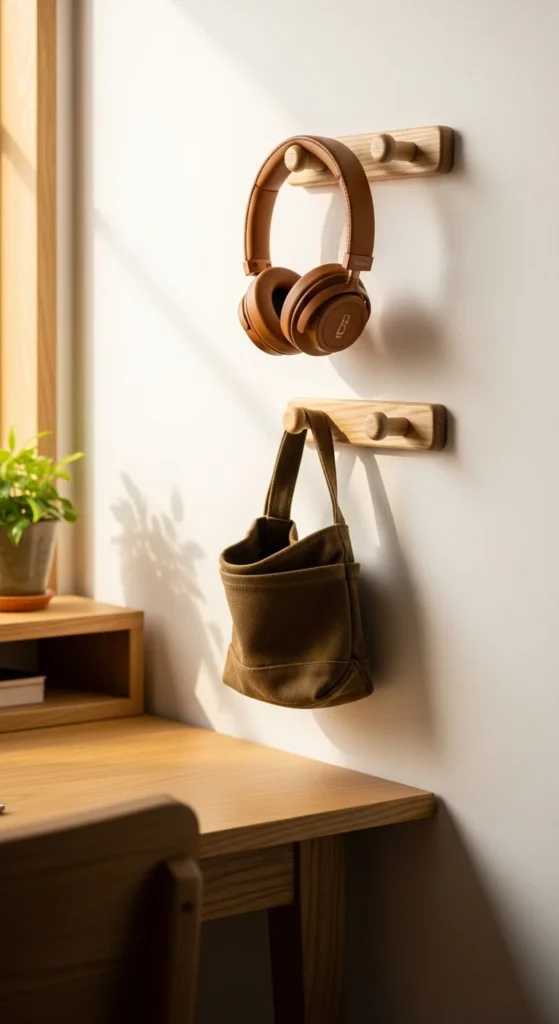
Wall hooks help keep daily-use items off the desk and chair. Hang your headphones, tote bag, or sweater to prevent clutter. Wood hooks add warmth; metal hooks look clean and modern. Mount them at a comfortable height for regular use. This creates a practical grab-and-go system.
38. Acrylic Pen Holder
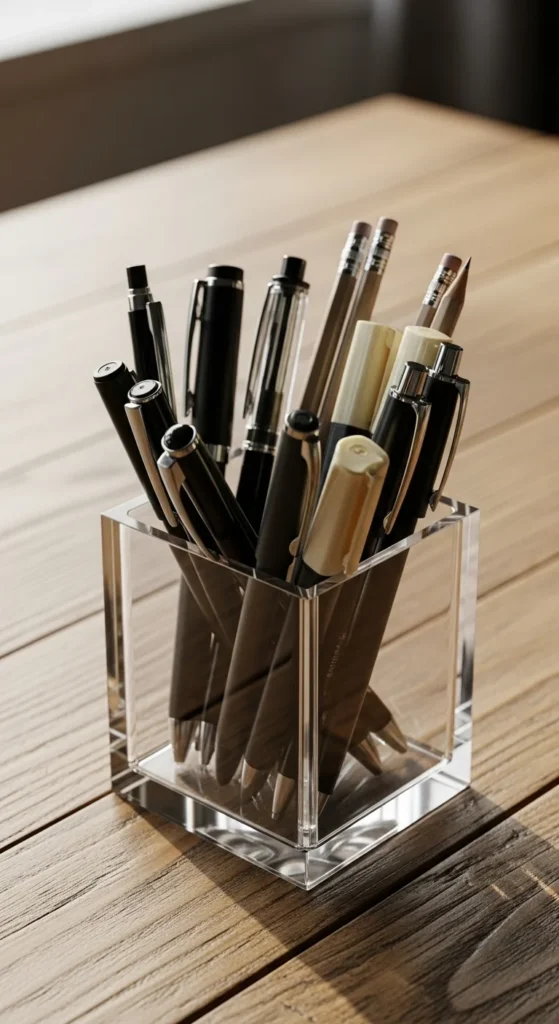
Clear pen holders keep your tools easy to reach without visually cluttering the desk. Neutral pens look neat and unified. Acrylic blends into most decor styles and gives a clean impression. Keeping a limited number of pens in one holder also helps prevent desk mess from returning.
39. Bench-Style Window Seat

A window bench provides a restful alternate spot for reading or reviewing notes. Stepping away from the desk occasionally helps reset your focus. Use a soft cushion and one throw pillow for comfort without overcrowding. If building a bench isn’t practical, place a small cushioned chair near a window instead. This gentle change of scenery encourages calm mental pacing.
40. Subtle String Lights
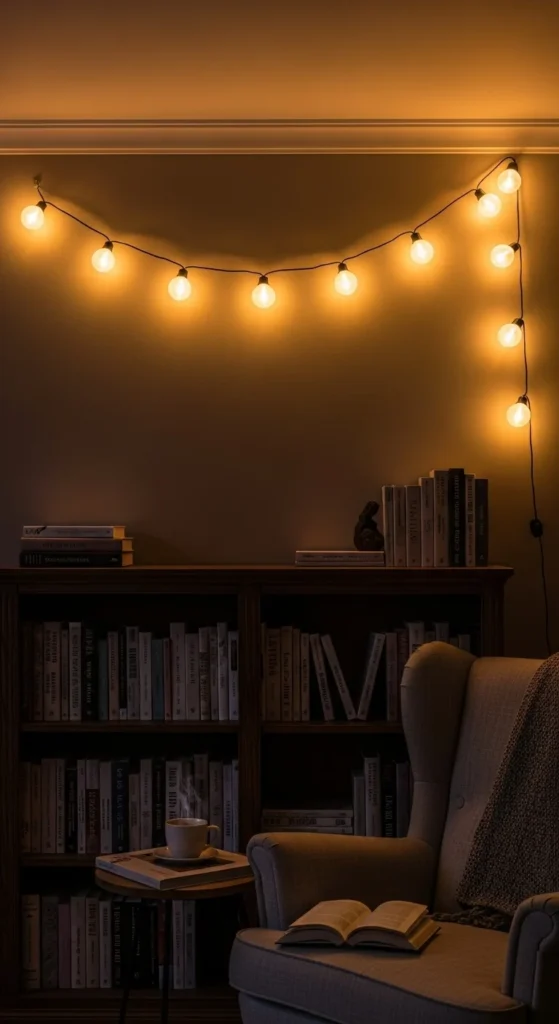
String lights add a soft ambiance that helps ease into study mode during evenings. Choose warm white tones rather than bright or colorful lights. Hang them in a single clean line rather than looping them heavily. This keeps the look calm rather than festive. The lighting helps create a soothing atmosphere that supports focused time.
41. Under-Desk Footrest
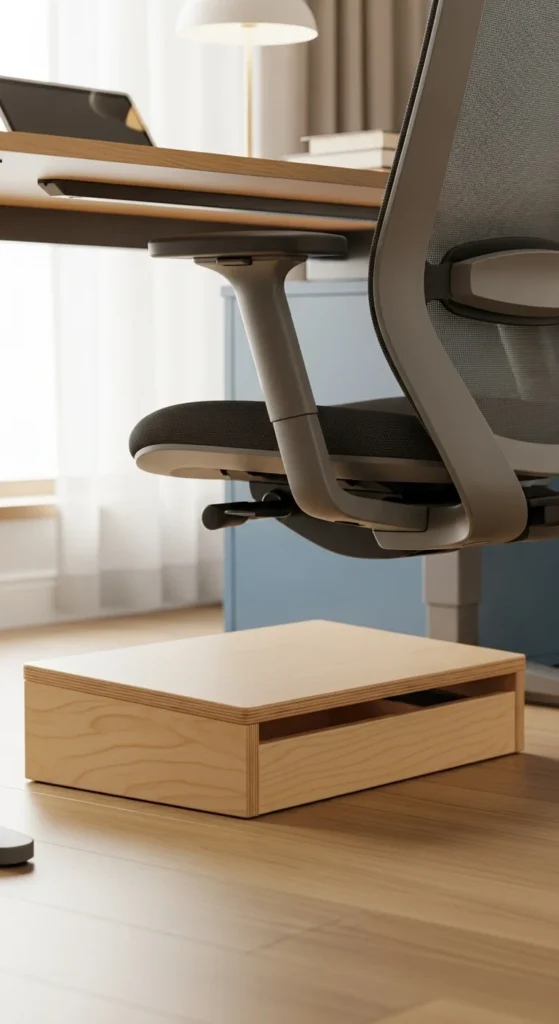
A footrest improves comfort during long study hours. It supports posture by keeping your feet at a natural angle. Wooden footrests add warmth, while cushioned ones provide extra softness. If you want a no-cost option, use a sturdy box or stack of old books. Adjust the height until your knees sit comfortably. This small change encourages more relaxed body positioning. When your body feels supported, your mind has an easier time remaining steady and attentive. Keep the footrest tucked neatly under the desk when not in use to maintain open floor space. The idea is to create comfort without clutter, making studying feel more inviting.
42. Slim Floor Lamp
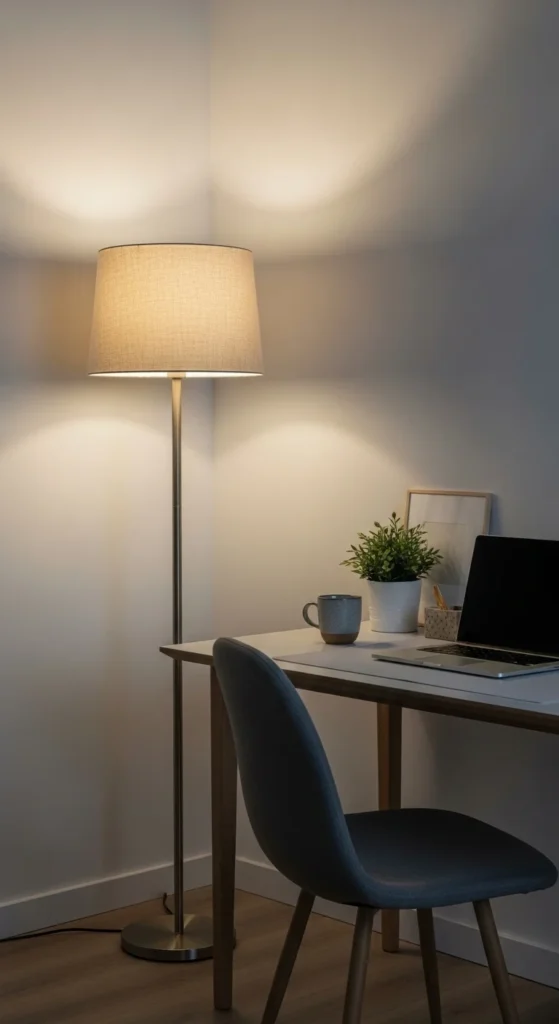
A floor lamp helps add balanced lighting to your study room. Place it behind or beside your desk to soften shadows without glaring directly at your screen. Choose shades that diffuse light gently. Slim lamps take up little space and work well in corners. If you prefer a modern look, choose black or metallic finishes; if you want softness, choose wood or linen. A calm lighting setup helps you stay settled during long study sessions and supports a peaceful atmosphere.
43. Compact Bookshelf Beside the Desk
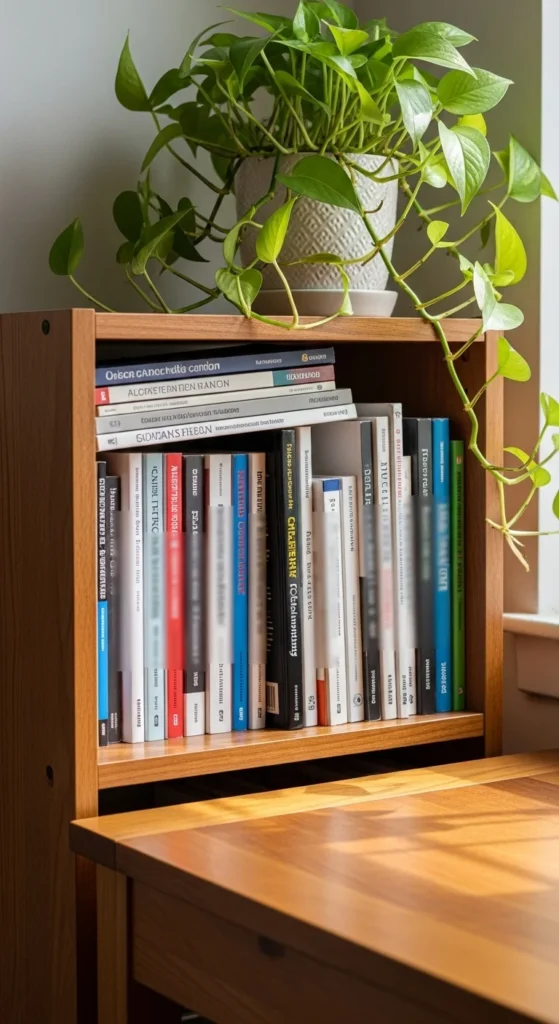
Keeping study materials close prevents interruptions. A small bookshelf placed within arm’s reach allows you to access textbooks quickly. Arrange items by height or subject for easy browsing. Use a decorative storage box on the bottom shelf for loose items. A single plant or photo frame on the top shelf keeps the look balanced. This setup helps you remain organized and steady while working.
44. Neutral Color Palette
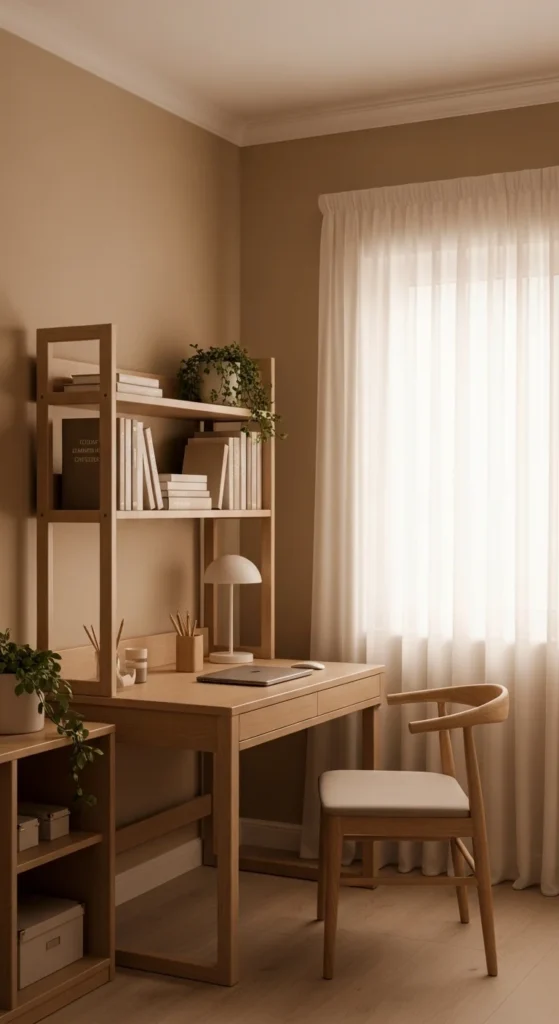
Neutral tones help create a calm environment. Beige, white, taupe, sand, and sage work together to make the space feel restful. These colors prevent visual overwhelm and keep the focus on your work rather than the surroundings. If your walls are already bright or patterned, tone the room down with neutral decor items—desk accessories, curtains, or storage elements. The palette supports clarity and reduces distraction.
45. Under-Shelf LED Light Strip

LED strips create subtle focused lighting without harsh glare. Install them under a wall shelf or cabinet above your desk. Choose warm white for comfort. They are easy to apply with adhesive backing and can run along the length of the shelf for even illumination. This soft lighting makes study time feel inviting and relaxed, especially in the evenings. It helps define your workspace visually and emotionally.
46. Stationery Drawer for Hidden Storage
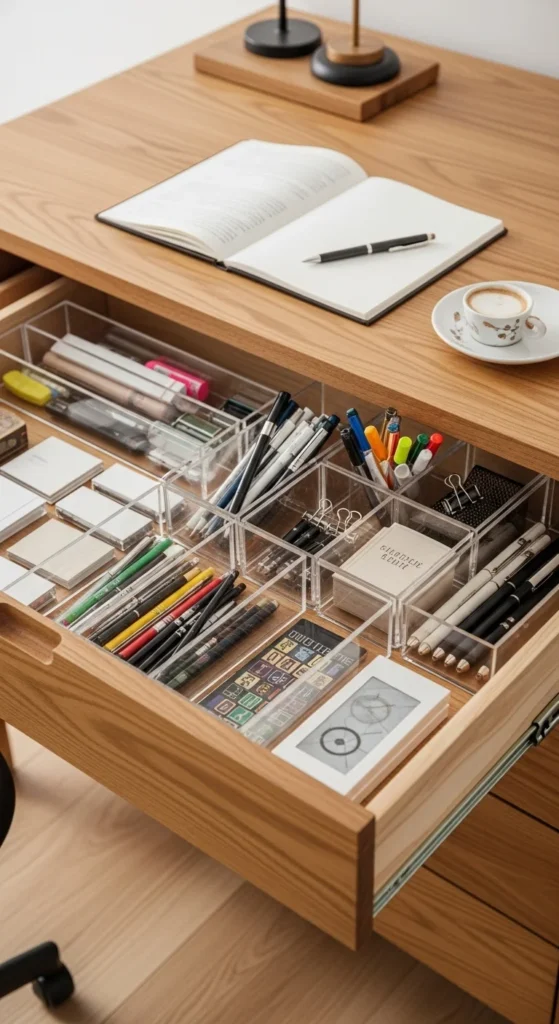
A designated stationery drawer helps keep your desktop clear. Group similar items using small dividers or repurposed gift boxes. Keep only your daily-use tools in this drawer to avoid overcrowding. Clearing away visual distractions supports calm concentration. When items are easy to find, transitioning between tasks becomes smoother.
47. Textured Throw Pillow for Back Support
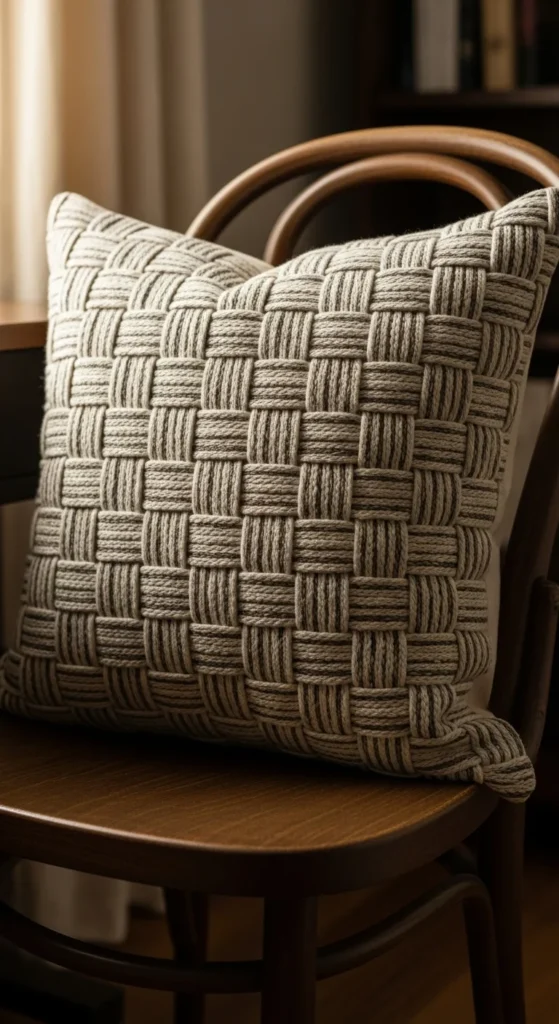
A single throw pillow can offer gentle back support. Choose one with a subtle texture that feels comfortable but not too bulky. Avoid piling multiple pillows, as this may clutter the seat. A supportive pillow encourages better sitting posture, helping you stay comfortable during longer study periods. The texture also adds warmth to the room’s visual tone.
48. Small Side Table
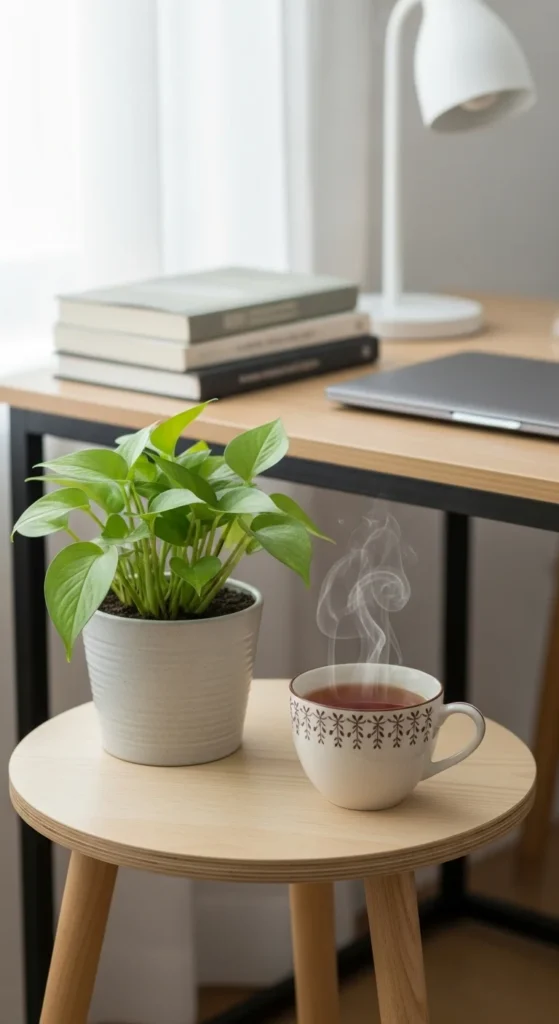
A side table offers additional surface area without crowding the main desk. Place drinks, extra books, or small decor here to keep your desk surface clear. Choose a lightweight table so it’s easy to shift as needed. You can thrift an affordable one or repurpose a plant stand. This keeps your primary workspace tidy and helps maintain a focused study zone.
49. Glass Water Carafe and Cup
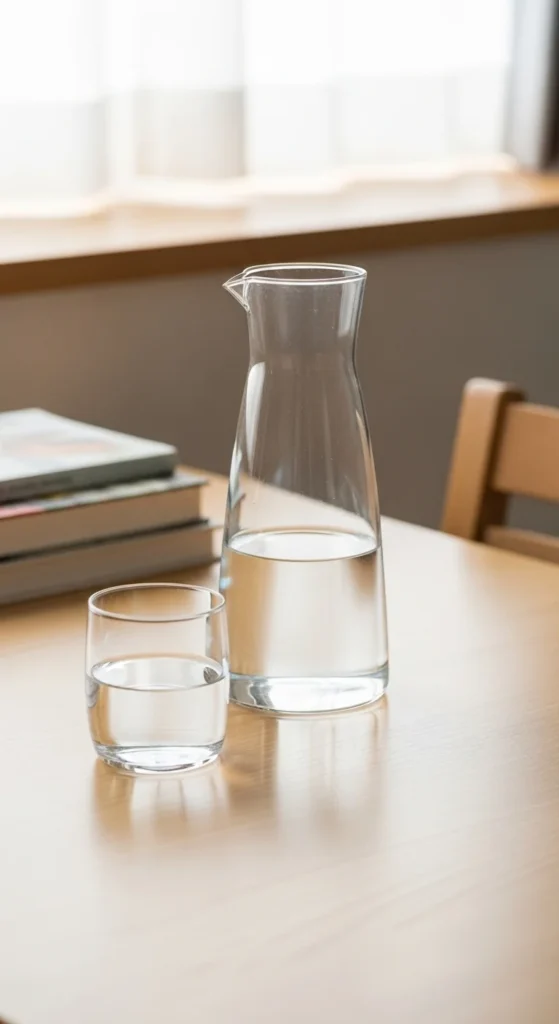
Keeping water nearby encourages steady hydration without breaking focus. A glass set looks clean and intentional, making the space feel cared for. Refill it at the start of each study session. Having water visible reminds you to take small sips regularly, helping your body stay comfortable while studying.
50. Personal Memory Touch
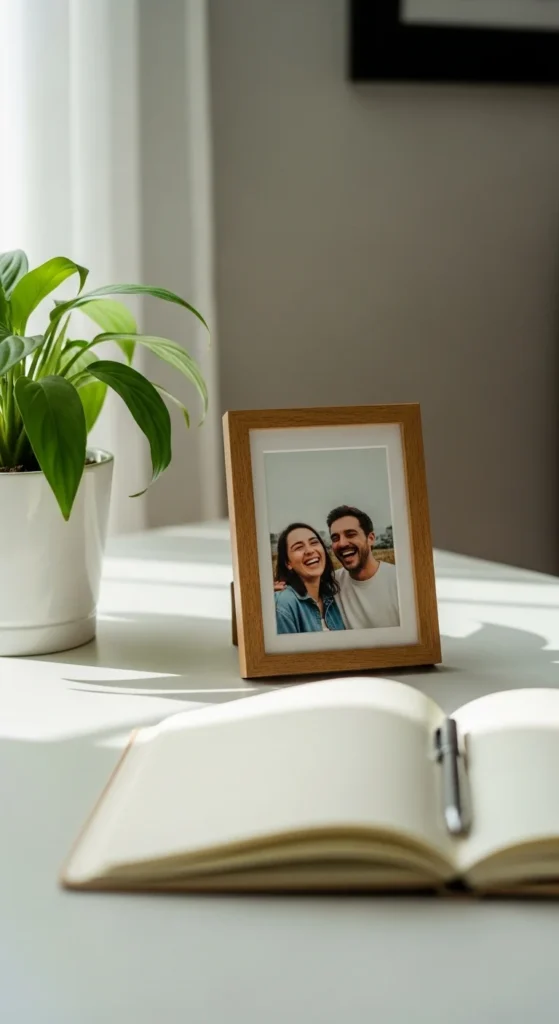
A single personal item can bring warmth to your study area. Whether it’s a photo, a travel memento, or a small keepsake, choose one meaningful piece. This helps you feel grounded and emotionally connected to your space without overwhelming the decor. Keep it simple and intentional—just one personal reminder can help your study environment feel like your own.

Leave a Reply