

1. Pastel Base + One Pop-of-Color Anchor
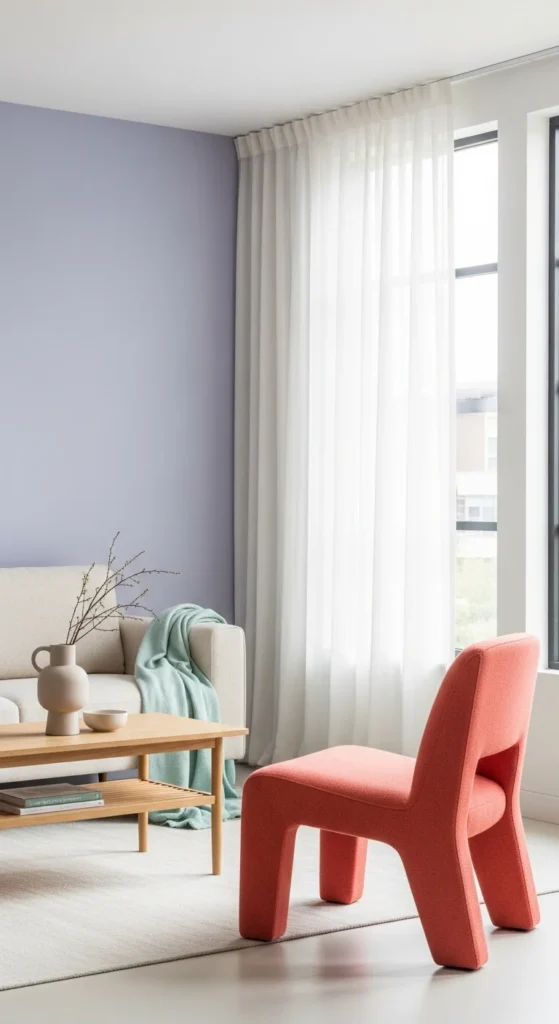
Pastels can feel calm without turning sugary. Start with one main pastel. Lavender, baby blue, peony pink, or mint. Keep the large items quiet. Sofa, rug, curtains, and walls stay soft. Then choose one bold anchor color. Coral, emerald, or turquoise. Put that color in a single hero piece. A chair works. A big lamp works. A framed art piece works. Limit the repeats. If you repeat it, do it twice max. Small accents only. A book spine. A vase. A candle. That’s it. This keeps the room from looking scattered. Try a budget swap first. Paint a thrifted side table in the accent tone. Or cover one pillow with a saturated slipcover. For renters, lean on moveable color. Throws, art, and lamps travel easily. Keep metals simple. Brushed nickel or matte black blends in. Add a pale wood tray to tie it together. End with one plant for life. Pastel calm plus one bold hit reads confident and photo-ready.
2. Sheer Curtain Swap for Brighter Windows
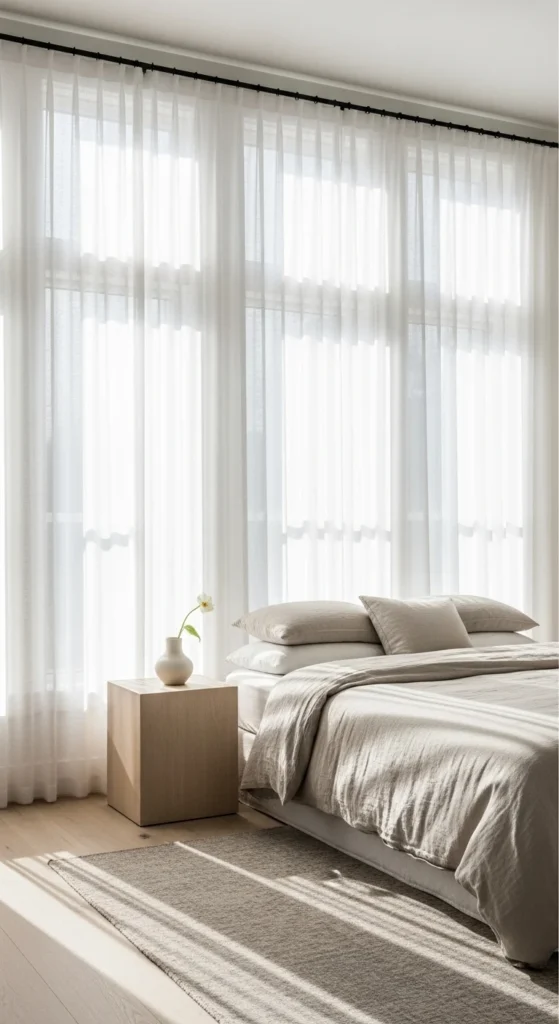
Heavy drapes can make a room feel closed-in. Swap to sheers for a fast change. Choose white, ivory, or the palest cream. Hang the rod close to the ceiling. Extend it beyond the window frame. That trick makes the window look larger. It also helps daylight spread across the room. If you want privacy at night, pair sheers with a simple roller shade. No pattern required. Texture does the work. Linen-look polyester is easy to wash and doesn’t wrinkle as much. Keep the hem just grazing the floor for a tailored line. If your rod budget is tight, use clip rings on a basic rod. Or try tension rods for small windows. In a living room, add a second layer later if you want drama. For now, keep it light. Style around the new glow. Move a mirror opposite the window. Use pale rugs to catch light. Choose clear glass vases instead of dark ceramics. The room looks calmer with fewer heavy lines. Natural light becomes the design feature, not the accessories.
3. Nature-Texture Layering for Biophilic Style
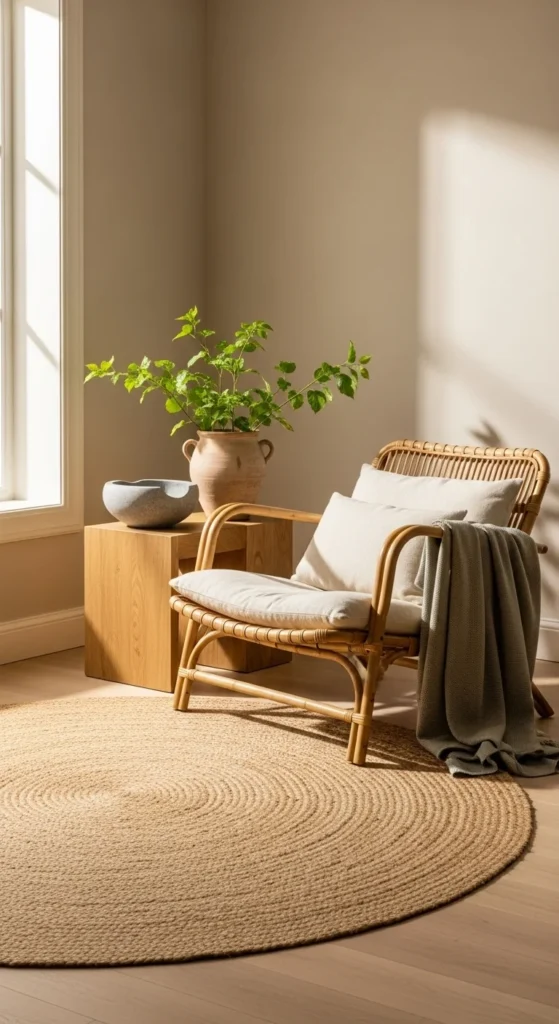
Biophilic style isn’t only about plants. It’s about materials that feel grounded. Start with one big natural texture. A jute rug works well. So does a woven pendant or rattan chair. Add a second material that contrasts. Stone, clay, or wood. Keep colors earthy. Sand, oat, warm white, and sage. Then add greenery last. Real or faux is fine. The key is scale. One larger plant looks more intentional than five tiny ones. If you use faux, choose a realistic stem and a heavier pot. A clay planter sells the look. For small spaces, try a bowl of moss, a branch in a vase, or a wooden tray with river stones. Keep surfaces simple. Too many objects fight the calm vibe. DIY tip: wrap an old planter in rope for a quick texture update. Or stain a thrifted stool in a warm wood tone. If you want extra comfort, add a nubby throw. Bouclé or chunky knit adds softness without pattern overload. Finish with soft lighting. A paper lantern shade or warm bulb makes the textures glow. Organic materials create a room that feels relaxed and lived-in.
4. Block-Print Pillows for Artisanal Pattern
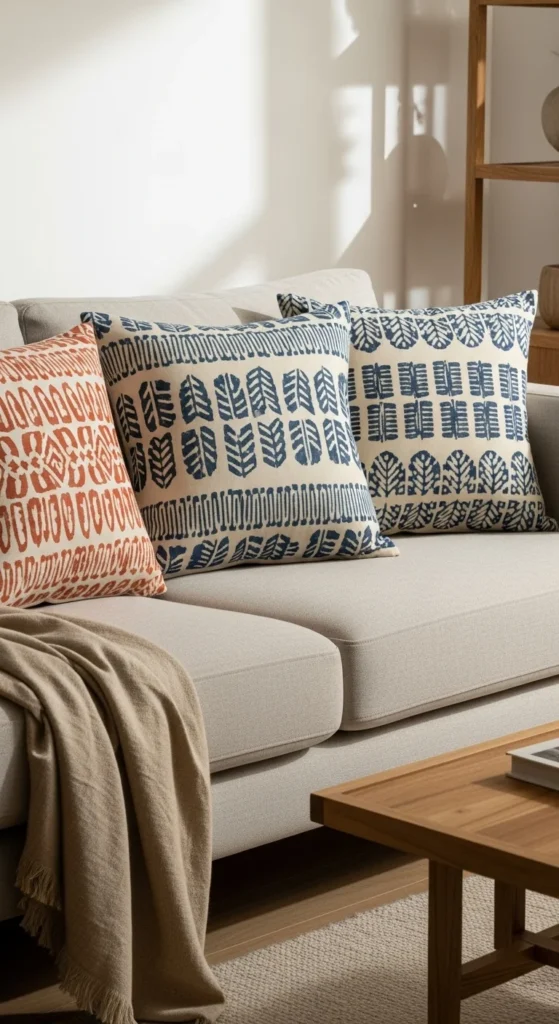
Block prints add character without looking loud. The patterns feel handcrafted and collected. Use them like accent art. Keep your base simple. Cream sofa. Beige rug. Light wood table. Then place two to three block-print pillows together. Choose one color story. Terracotta and indigo is classic. Mustard and olive works too. Avoid mixing too many prints at once. If you want variety, change the scale. One small motif. One larger motif. Keep one pillow solid to break it up. Budget move: buy covers only. Insert pillows can be reused. For a DIY option, try fabric paint and a simple stamp made from foam. Practice on paper first. Block-print also works on a table runner or tea towels for the kitchen. If your room already has pattern, use block print in one zone only. Sofa or bed, not both. Pair with simple ceramics and a woven basket to keep it grounded. Add one black metal element for contrast if the palette feels too soft. Handmade pattern makes the space feel curated without extra clutter.
5. Rounded Mirror to Soften Hard Angles
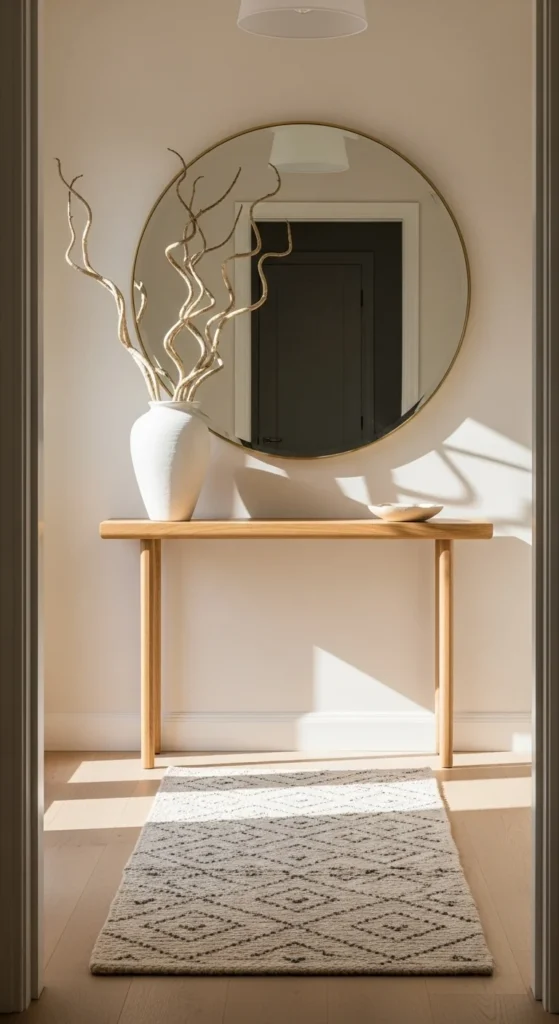
A round mirror changes a room’s vibe fast. It softens sharp corners. It also spreads light. Put it where it works hard. Entryways are ideal. Living rooms work too. Hang it at eye level, centered over a console or dresser. Keep the surface below simple. Two objects max. A bowl for keys and a vase is enough. If you want extra function, add a small tray. For renters, use strong removable hooks rated for mirrors. Or lean a large mirror on a console if the wall allows. Thrift stores are great for mirror finds. Update a dated frame with spray paint. Matte black looks modern. Warm brass looks cozy. To make the space feel larger, place the mirror across from a window or light source. Styling trick: add one curved item near it. A rounded lamp or bowl echoes the shape and feels intentional. Keep the rest linear. That contrast helps the circle stand out. Soft shapes add calm. They also photograph beautifully in tight spaces.
6. Wavy Shelves for a Subtle Curve Moment
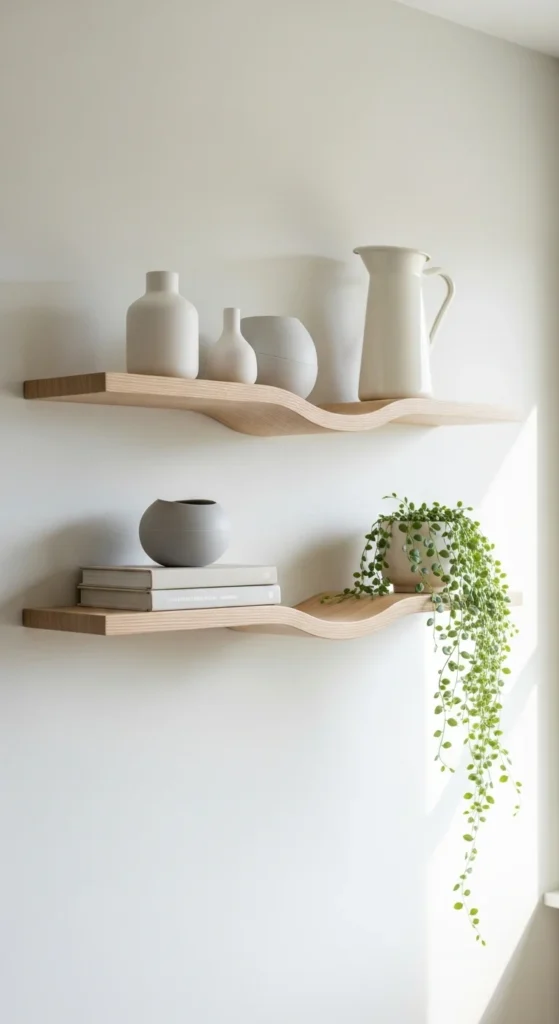
Curves don’t have to be big furniture. A wavy shelf adds movement without taking over the room. Install one set above a desk, in a hallway, or over a console. Keep the styling minimal so the shape reads clearly. Use three to five items total. Mix matte ceramics with one glass piece. Add one trailing plant for softness. Keep book spines neutral or turn them sideways if the colors clash. If you’re on a budget, you can DIY a curvy shelf with flexible plywood and brackets. Or buy a single statement shelf and let it stand alone. Avoid crowding it with tiny objects. That makes it look messy. If the wall is busy, paint the shelf the same color as the wall for a quieter look. If you want contrast, go light wood against white. Use warm bulbs nearby so shadows create depth along the curve. In a small space, shelves replace bulky decor and still give personality. One sculptural line can change an entire wall.
7. Color Drenching in a Nook or Alcove
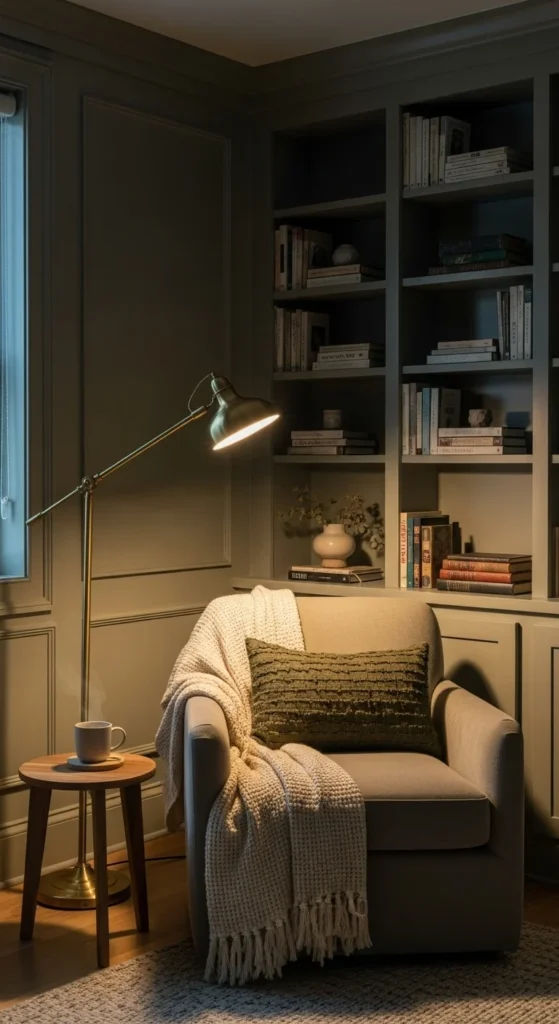
Monochrome paint can look bold without being overwhelming when you keep it contained. Pick a nook, alcove, or built-in shelf wall. Paint the walls, trim, and shelving in one tone. Sage, dusty blue, or clay works well for spring. Choose a single paint family and vary sheen for depth. Matte on walls. Satin on trim. This adds dimension without adding pattern. If you want to go further, paint a small stool or side table in the same color. For beginners, start with a half wall or just the inside of shelves. That’s less commitment and still looks intentional. Use painter’s tape and a small angled brush for crisp edges. Styling trick: keep decor inside the nook simple. Books in neutral covers. One ceramic vase. One framed photo. Let the paint do the talking. Add warm lighting. A lamp with a soft shade makes the color look richer. If you’re renting, try peel-and-stick wallpaper in one color family instead. The goal is a single-color moment that looks designed, not chaotic.
8. Sculptural Pendant as Dining Room Focal Point
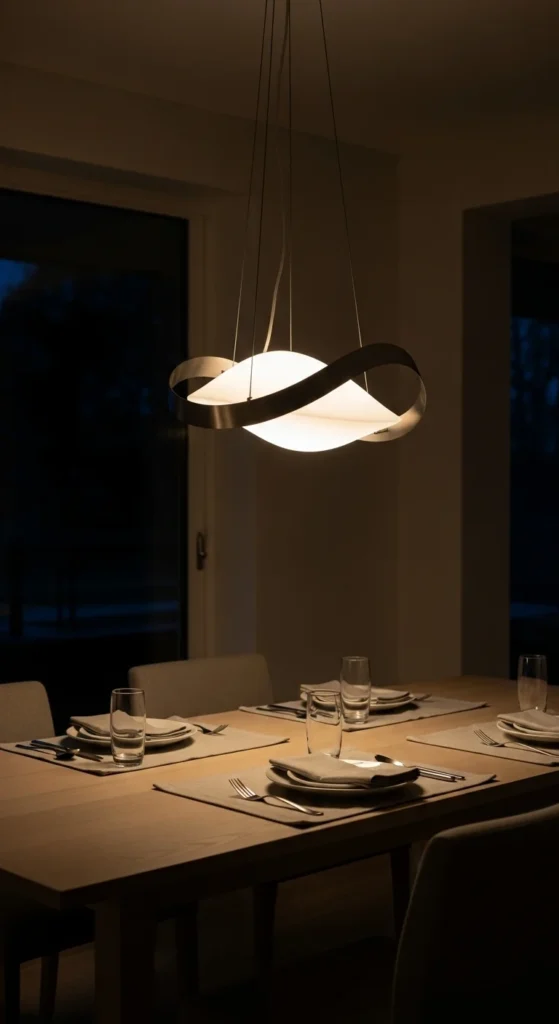
A statement light fixture can carry the whole room. Choose a pendant with an unusual silhouette. Soft curves, layered discs, or frosted glass. Keep the table styling quiet so the fixture stays in charge. Use a neutral runner and one low centerpiece. If a hardwired swap feels intimidating, try a plug-in pendant and a ceiling hook. It gives the same vibe with less hassle. For a budget route, look for secondhand fixtures and replace the shade. Or spray paint a metal fixture for a new finish. Use warm bulbs so the light feels welcoming. Hang the pendant low enough to feel intentional but high enough for conversation sightlines. A good rule: bottom of the fixture about 30–34 inches above the table. Pair the fixture with one matching metal detail in the room. Maybe cabinet pulls or candleholders. Keep it to one repeat. Too many metals can look busy. Lighting as sculpture turns an ordinary dining area into a design moment.
9. Cabinet Hardware Upgrade in Textured Metal
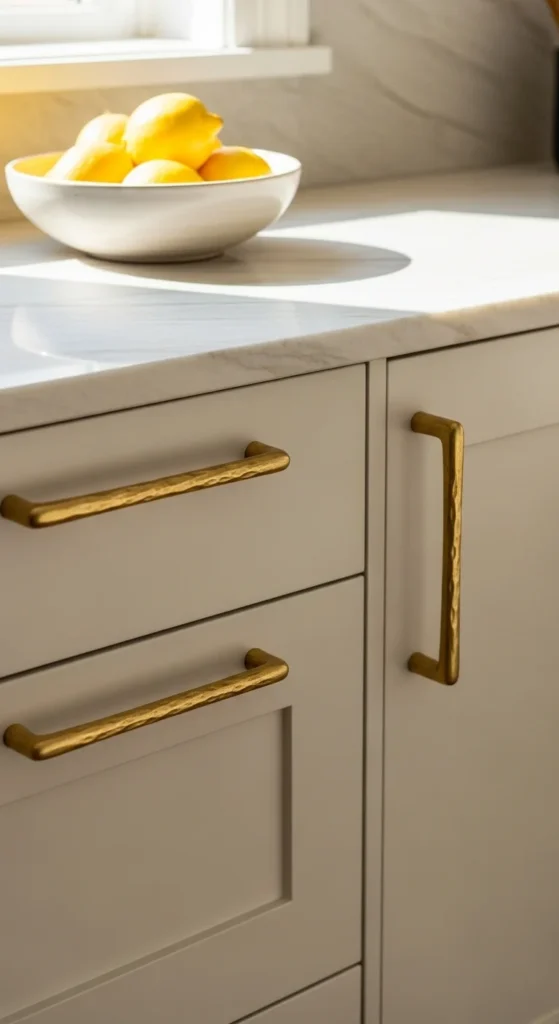
Hardware swaps are small but high impact. Choose a textured finish for extra interest. Etched brass feels warm. Brushed nickel feels clean. Dark bronze feels moody. Before buying, measure the hole spacing on your current pulls. Stick to the same size to avoid patching. If you want a mixed look, keep the shape consistent and vary finish only once. For example, brass pulls with a black faucet. Keep the rest simple. This project takes less than an hour for most kitchens. If you’re doing a dresser, do one drawer first to test the feel. Budget trick: look for multipacks. Or check salvage shops for solid metal pieces. If the pulls look too shiny, tone them down with a gentle rub of wax for a softer patina feel. Save old hardware in a labeled bag for future use. Small metal details can change the whole mood without a remodel.
10. Fluted DIY Overlay on a Basic Dresser
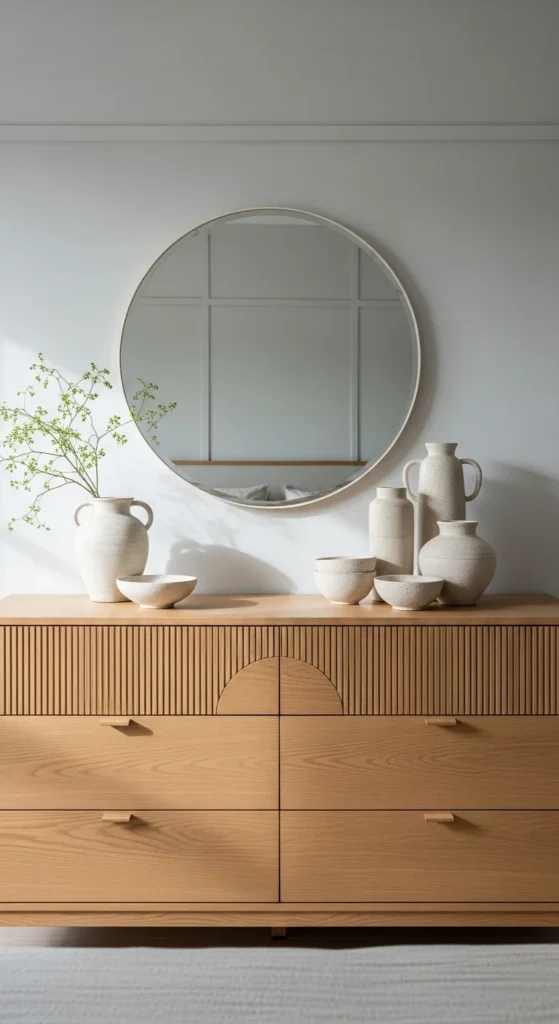
Fluting adds shadow and texture in a subtle way. You don’t have to buy new furniture. Add it to what you already own. Use half-round trim from a hardware store. Cut pieces to fit the drawer front height. Glue them evenly with a strong adhesive. Sand lightly when dry. Then paint the entire piece one color for a seamless look. Warm white and pale sage are great for spring. If painting feels like too much, stain can work on raw wood pieces, but paint hides imperfections better. Keep hardware simple. Small knobs look cleaner than large pulls on fluted fronts. Styling tip: choose decor with smooth shapes to contrast the ribbed texture. Glass, ceramic, and stone look good here. This trick turns flat furniture into something that reads custom. It also works on kitchen islands or side tables if you want to repeat the look. Ribbed texture gives dimension without extra clutter.
11. Linen Bedding Swap in Soft Spring Tones
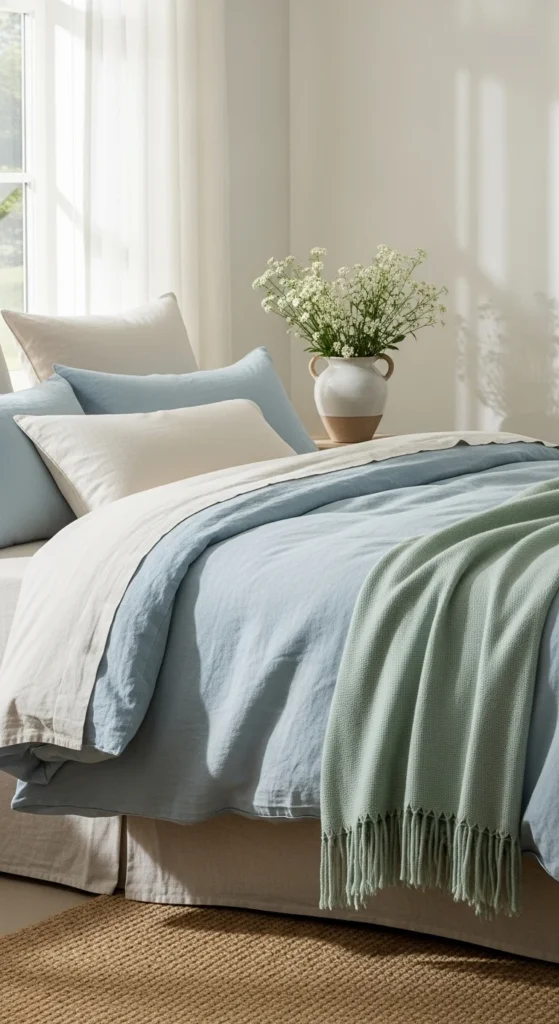
Bedding changes a room faster than most decor. Go lighter in color and fabric. Linen and cotton percale feel crisp and breathable. Choose one pastel as the main tone. Pale blue or mint works well. Keep sheets neutral so the color feels balanced. If full bedding sets cost too much, swap pillowcases and one duvet cover first. That’s often enough. Styling trick: layer textures instead of patterns. Linen plus a knit throw plus a smooth cotton pillow looks intentional. Add one small contrasting accent. A coral lumbar pillow or a warm tan cushion can ground the palette. Keep bedside surfaces simple so the bed remains the focus. If you like pattern, keep it subtle. Thin stripes or small checks feel calm. Wash linen before styling so it has that relaxed drape. Lightweight textiles make the room feel calmer and easier.
12. One-Hour “Clear the Surfaces” Reset
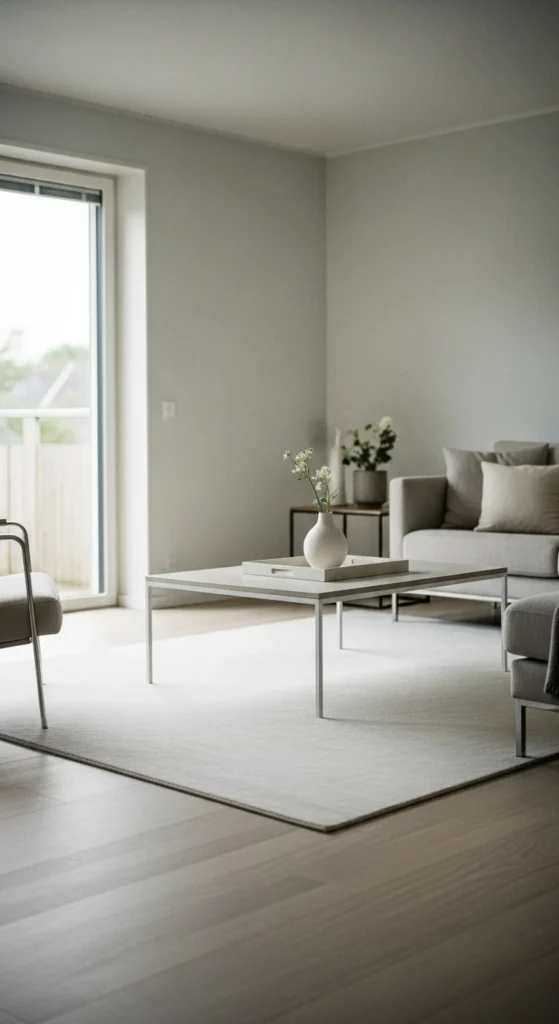
Before buying anything, edit what’s already out. Set a timer for one hour. Clear every flat surface. Coffee tables, consoles, nightstands, counters. Put everything in a box. Then add back only what you use daily or truly like looking at. Keep it simple. Two to three items per surface is plenty. Use one tray to corral small things. Trays make random objects look intentional. If you want a seasonal touch, swap one item only. A vase, a candle, or a bowl. That’s enough. For busy households, choose closed storage first. Baskets and boxes hide visual noise. Label bins so it stays manageable. If you want to style after clearing, pick one theme: ceramics, glass, or wood. Don’t mix all three everywhere. That can look chaotic. Take a quick photo before and after. It helps you see what works. Less visual noise makes every remaining piece look more special.
13. Entryway “Gallery Wall” With Asymmetry
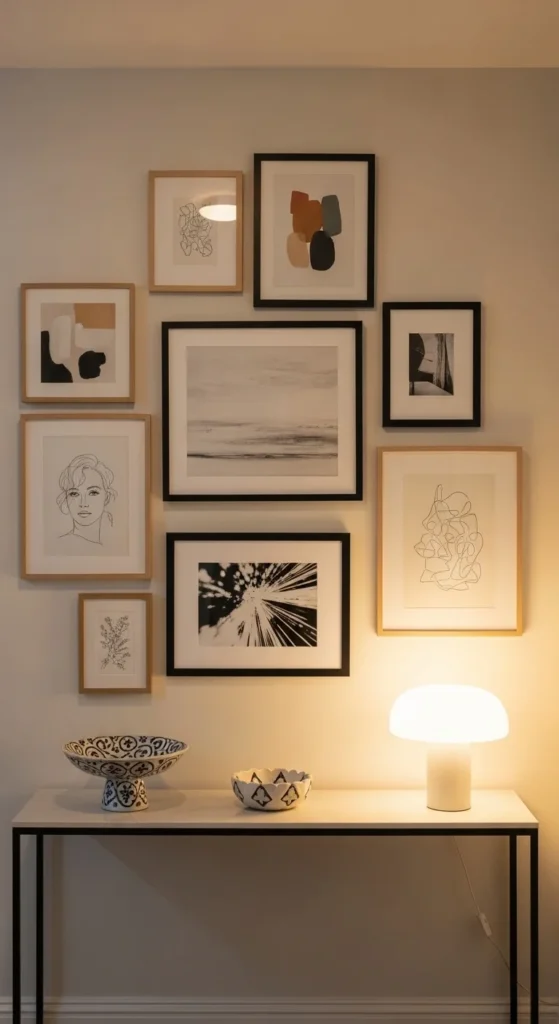
Entryways get ignored, but they set the tone. Turn yours into a mini gallery. Use a mix of frame sizes. Keep the art theme cohesive. Botanicals, abstracts, or black-and-white photos. Lay it out on the floor first. Start with one larger piece and build around it. Don’t force perfect symmetry. Slightly uneven spacing feels relaxed. Keep the console styling practical. A bowl for keys. A small lamp. One vase at most. Add hooks or a basket underneath so function stays intact. Budget tip: use printable art and thrifted frames. Paint mismatched frames one color for cohesion. If walls are small, do a vertical stack of three frames instead. Add a runner rug to soften the space. Choose a woven texture so it hides dirt. A curated wall makes the entry feel intentional without adding clutter.
14. No-Sew Chair Makeover With Staple Gun
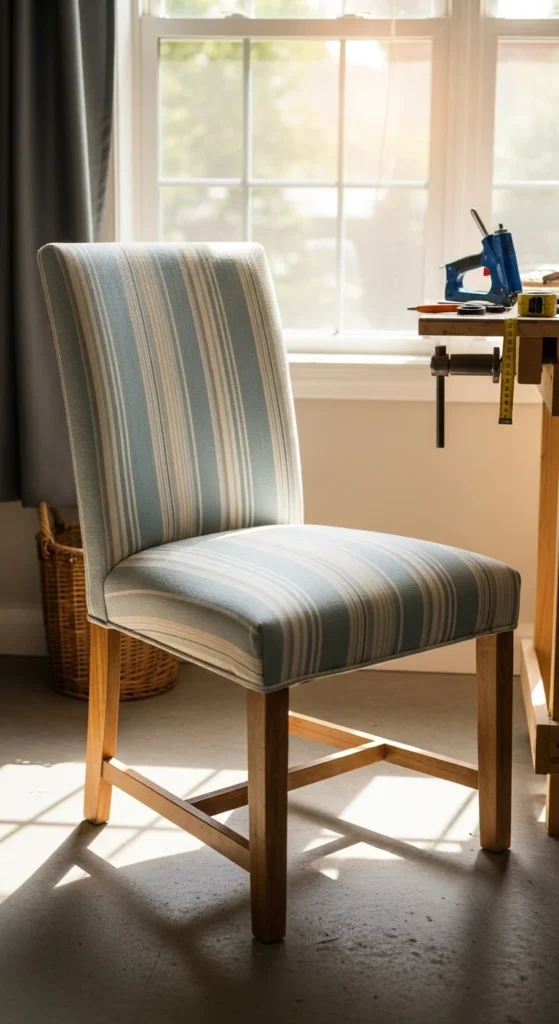
A chair makeover is a big visual change without major cost. Start with a simple seat cushion chair. Unscrew the seat. Remove the old fabric. Use it as a template. Cut new fabric with a few inches extra on all sides. Pull the fabric tight and staple it underneath. Work opposite sides to keep tension even. Stripes are great because they feel intentional, but align them carefully before stapling. If you’re nervous, pick a small pattern that hides minor misalignment. Add a layer of batting for softness if the cushion feels thin. You can also paint the chair frame for an extra change. Matte black looks modern. Pale sage looks spring-ready. Seal painted frames with a protective topcoat if the chair sees heavy use. Styling trick: repeat the fabric color elsewhere with a small item like a candle or a bowl. Two-hour DIY that looks custom is hard to beat.
15. Faux Olive Tree With a Realistic Planter
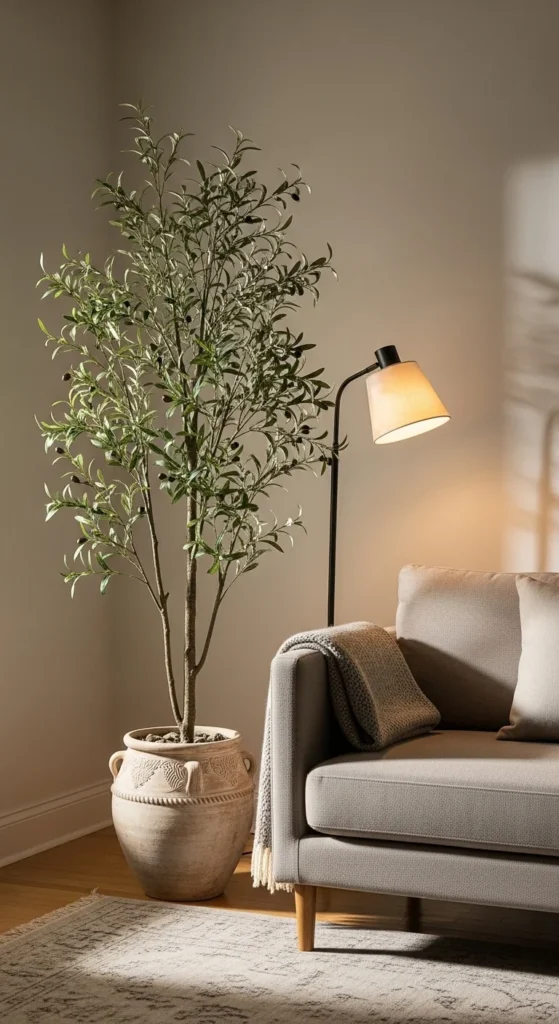
Faux plants look best when they’re scaled up. A tall tree reads intentional. Small faux stems can look plasticky. Choose a tree with varied leaf tones and a believable branch structure. Then upgrade the pot. A heavy clay planter or a woven basket makes the whole setup look more real. Add weight inside with rocks or sand before topping with moss. Place it near a window so it fits naturally in the space. Keep the surrounding decor simple. One side table and one lamp is enough. Dust the leaves often so it doesn’t look dull. If you want a smaller version, do one larger faux branch in a vase instead of a tiny potted plant. It reads more like sculptural decor. Low-maintenance greenery can still give a calm, nature-linked vibe.
16. Botanical Art That Isn’t “Floral Throwback”
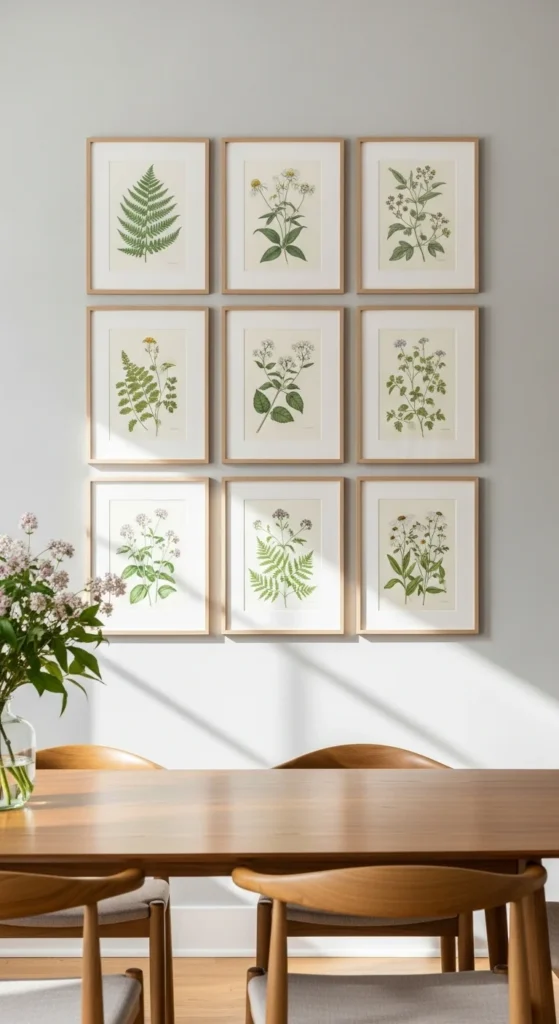
Botanical art can look modern when you choose the right style. Go for sketches, vintage studies, or minimal line drawings. Avoid overly bright flower prints if you want a calmer feel. Keep frames consistent for a clean look. Thin wood frames or matte black frames work well. Use two sizes only to keep it organized. If you like a collected feel, mix the art subjects but keep the palette similar. Styling tip: place the gallery near a natural material. A wood table, a rattan chair, or a jute rug. It ties the theme together. Budget option: print downloadable art at home and use thrift frames. For a higher-end look, add a wide mat in soft white. It makes even inexpensive prints look more polished. If you’re short on wall space, lean two framed pieces on a shelf instead of hanging. Modern botanical art brings spring energy without looking cliché.
17. Spring Tablescape With Low, Layered Pieces
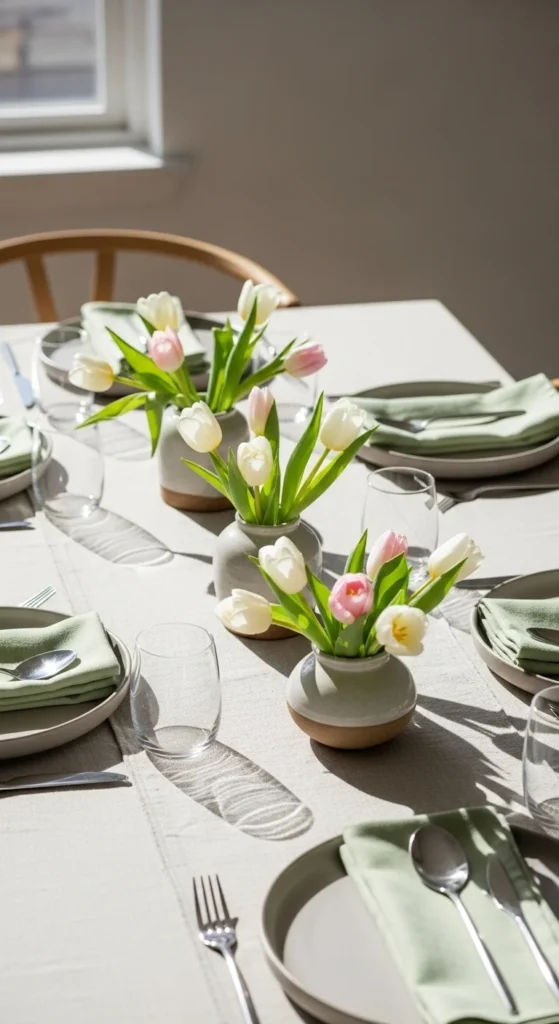
Tablescapes don’t have to be fussy. Start with one runner. Linen works well because it looks relaxed. Add low vases so people can still talk across the table. Three small bud vases look better than one large arrangement. Use tulips, daffodils, or greenery stems. If real flowers aren’t your thing, use branches or faux stems and focus on the vessels. Add one texture layer with placemats or a woven charger. Keep plates simple. Stoneware reads warm and casual. For color, use napkins. Pale green, soft blue, or blush gives a spring mood without overpowering the room. Budget trick: shop your own kitchen first. Mixed vases can work if they’re the same color family. If the table is small, scale down to one vase and one bowl. Low centerpieces look intentional and stay practical.
18. Rattan + Jute Pairing for Texture, Not Clutter
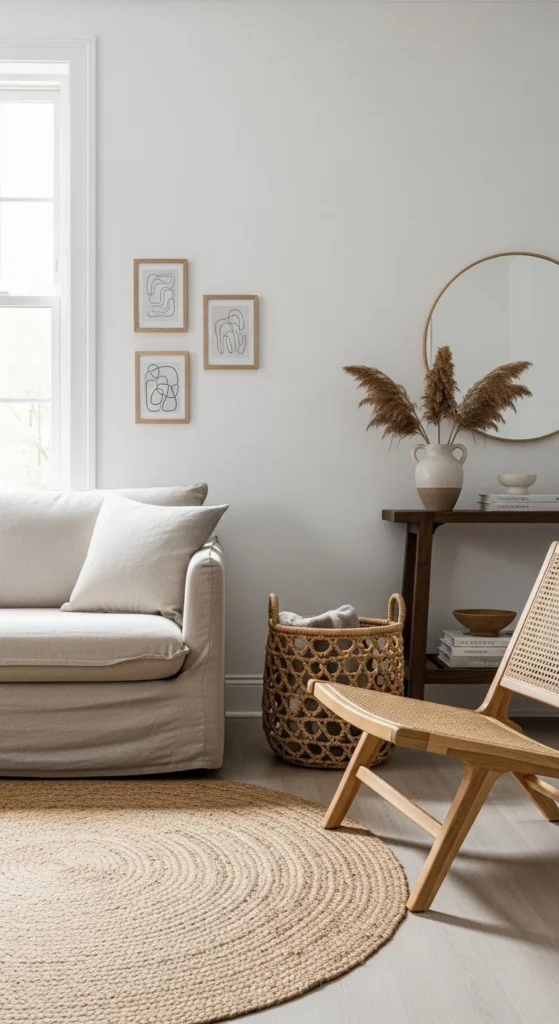
Rattan and jute can read beachy if you overdo it. The trick is restraint. Choose one larger rattan piece. A chair or pendant. Then anchor the floor with a jute rug. Keep everything else simple and solid-colored. Linen, cotton, and light wood work well. Add one darker contrast so it doesn’t wash out. A black frame, a dark lamp base, or a walnut tray. For small apartments, swap in rattan baskets for storage instead of bigger furniture. They add texture and hide mess. If you already have a patterned rug, skip the jute and use a woven stool instead. Don’t stack too many woven items in one corner. Spread them out. That feels balanced. If you want a more modern look, choose cleaner rattan shapes with straight lines and minimal detailing. Tactile layering makes a space feel warm without adding more objects.
19. Citrus Decor Moment for Kitchen or Dining
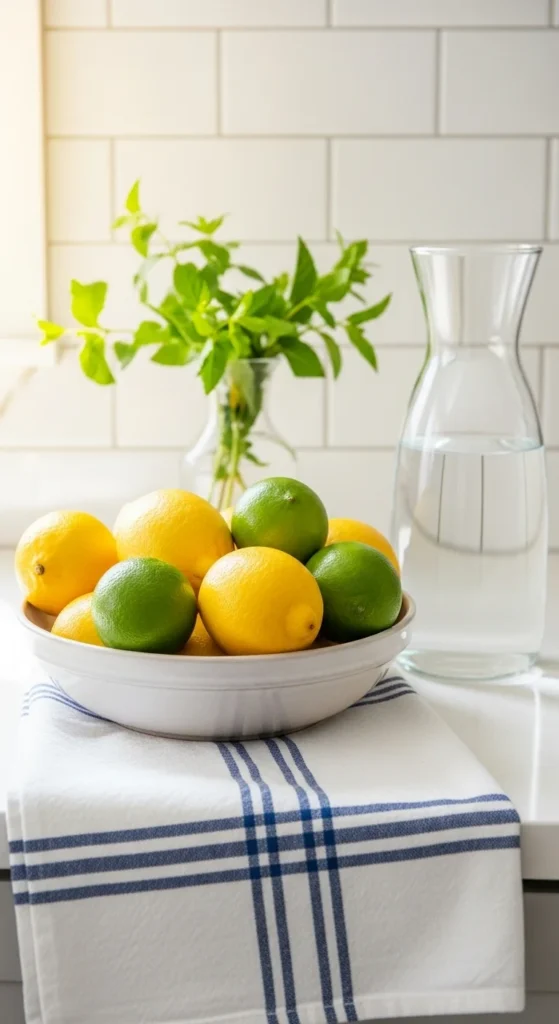
Citrus decor is simple and affordable. It also looks great on camera. Put lemons, limes, or oranges in a bowl on the counter or table. Choose a bowl with weight. Ceramic or stone looks best. Add one striped towel for a casual styling touch. Keep the rest minimal. If you want scent, simmer citrus peels with herbs on the stove. It makes the room feel inviting without extra products. For a longer-lasting look, swap the fruit weekly and compost the old ones. If you’re worried about waste, use faux citrus in a bowl and add real peel simmering for aroma. It still gives the vibe. Pair citrus with pale blues, whites, or warm neutrals for a classic look. Simple color contrast does the heavy lifting here. One bowl can change the whole kitchen mood.
20. Wall Textile as Your Main Art Piece
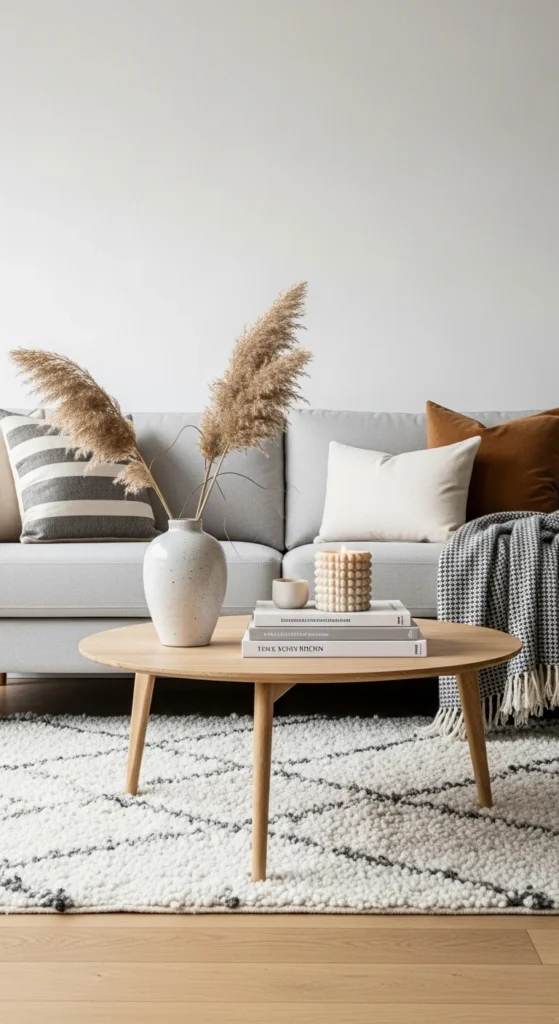
A wall textile adds softness that framed art can’t. It also helps large walls feel less bare. Choose one big piece rather than several small ones. Hang it using a wood dowel or a simple rod. Keep the palette calm if your room already has color. Cream, tan, and sage work well for spring. If you want a pattern, choose a subtle weave rather than loud graphics. Styling trick: repeat one color from the textile in a small object nearby. A pillow or vase is enough. Budget option: use a vintage rug as a wall hanging. Or frame a smaller textile panel with a simple clip frame. If you’re renting, use removable picture hooks and a lightweight hanger system. Add a warm lamp below it to cast gentle shadows on the weave. That shadow detail makes it look richer at night. Textile wall art creates warmth without making the room feel crowded.
21. Colored Glassware as Shelf Decor
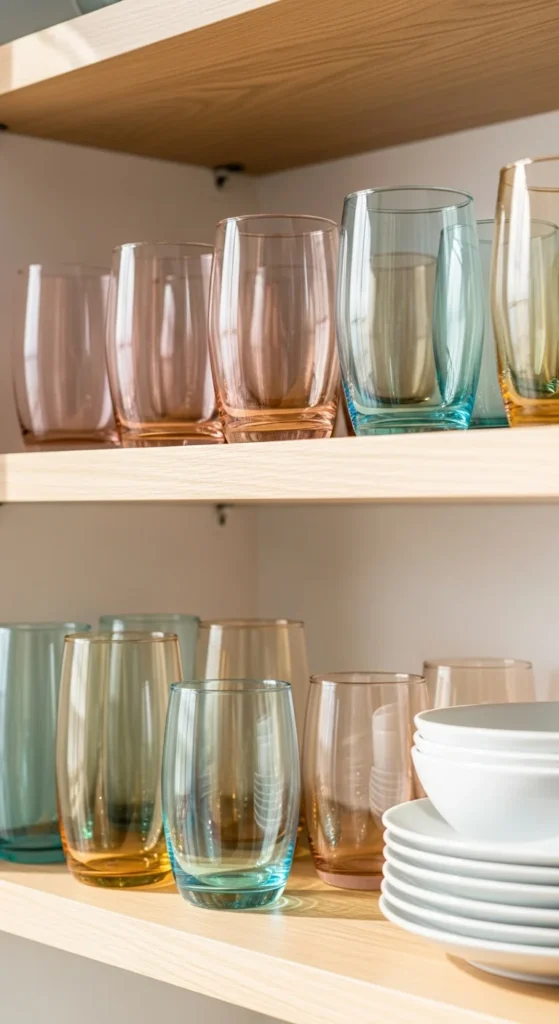
Colored glassware adds color without committing to big pieces. It also catches light in a way ceramics can’t. Start small. Choose one color family and vary the shapes. A few vintage goblets, tumblers, or stemless glasses look collected. Keep the rest of the shelf neutral so the glass stands out. White plates and clear jars work well. If you have closed cabinets, display them on a bar cart or a simple tray. Budget tip: thrift stores are full of mixed sets. Don’t worry about perfect matching. Similar tones create cohesion. Styling trick: group in odd numbers and stagger heights. Place taller pieces in back, shorter in front. Leave breathing room so it doesn’t look crowded. If you want the look but not the clutter, rotate seasonally—store half and display half. For everyday use, keep the “pretty” glasses in reach so they don’t just sit there. It’s an easy way to make a kitchen feel more personal. Light-catching color feels playful without overwhelming the space.
22. Paint-Trim Detail in a Soft Spring Hue
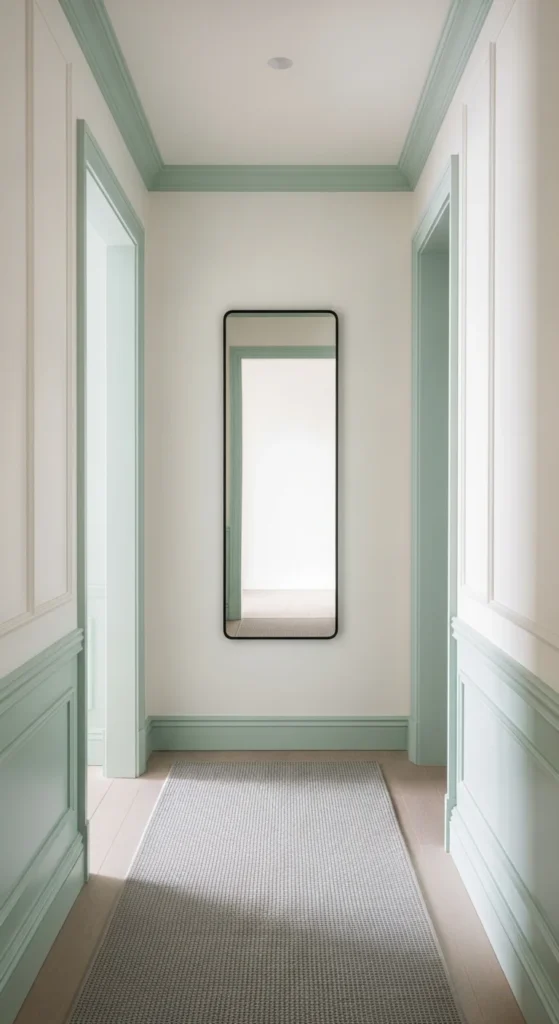
Painting trim is a smart way to introduce color without repainting a whole room. Choose a soft spring shade—mint, dusty blue, or blush. Keep walls warm white so the trim reads clearly. Test swatches in daylight and evening light. Undertones change quickly. Prep matters more than tools. Clean the trim, lightly sand, and tape edges for sharp lines. Use a small foam roller for smooth finish on flat sections. Use an angled brush for corners. Budget trick: do one zone only. A single doorway, a window frame, or baseboards in one room can look intentional. If you have older molding, the color highlights the detail and makes it feel special. Styling tip: repeat that trim color once in the room. A vase, a small pillow, or art with the same tone ties it together. Painted trim accents look custom but don’t require a major overhaul.
23. Striped Textile Layering for Instant Structure
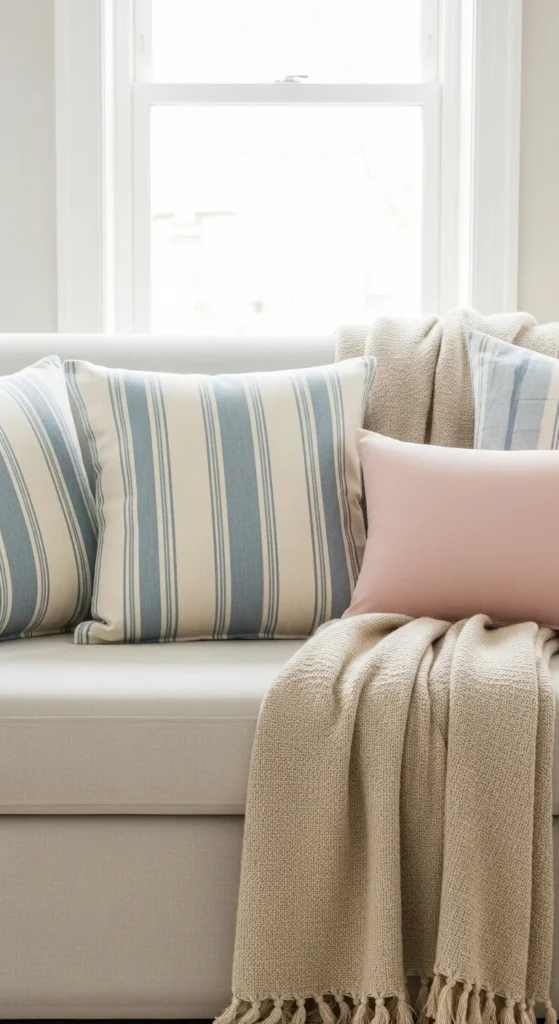
Stripes bring order to a space. They also pair well with spring color palettes. Start with one striped item—pillows, a throw, or a small rug. Keep the stripe colors soft, like baby blue and cream. Then layer solids around it. Oatmeal, white, and light gray keep the look calm. If you want a playful touch, add one small contrasting color pillow, like coral or chartreuse, but keep it small. DIY option: use fabric paint and painter’s tape to stripe a plain pillow cover. Let it cure fully before using. Budget tip: buy pillow covers only and reuse inserts. Styling trick: mix stripe widths, but keep the palette consistent. One thin stripe and one medium stripe reads intentional. Avoid stacking too many patterns at once. Stripes already carry visual rhythm. Let them be the “pattern” and keep the rest tactile—linen, cotton, and a woven basket nearby. Clean-lined stripes make a room feel styled in minutes.
24. Scent Styling With a Simple Spring Scent Bar
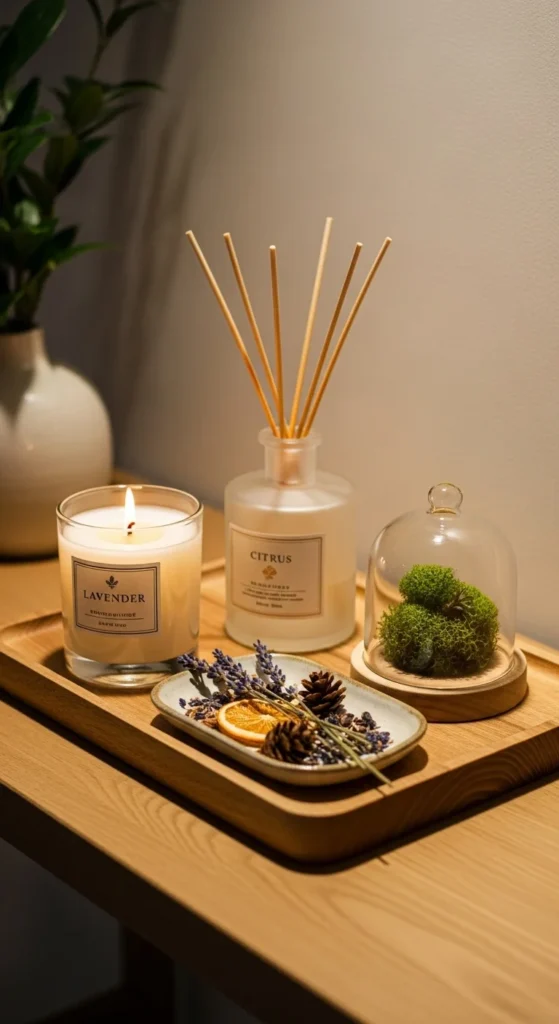
Scent is part of decor, even if it’s invisible. Set up a small “scent bar” on a tray. Use one main scent profile per space. Lavender and lilac feel calming. Citrus feels bright and energizing. Jasmine feels soft and romantic. Keep it simple: one candle plus one diffuser is enough. Too many scents fight each other. Choose vessels that match your room. Matte ceramic, amber glass, or clear glass all photograph well. Budget option: simmer citrus peels and herbs on the stove. Or place dried lavender in a small bowl near an entry. Styling trick: tie the scent to a visual cue. A bowl of lemons with a citrus diffuser. A lavender candle paired with pale purple flowers. Store matches in a small lidded jar so it looks tidy. Keep the tray uncluttered so it reads intentional, not like a random collection. A curated scent moment can make a room feel more welcoming without adding more objects.
25. “No-Buy” Shelf Styling With What You Already Own
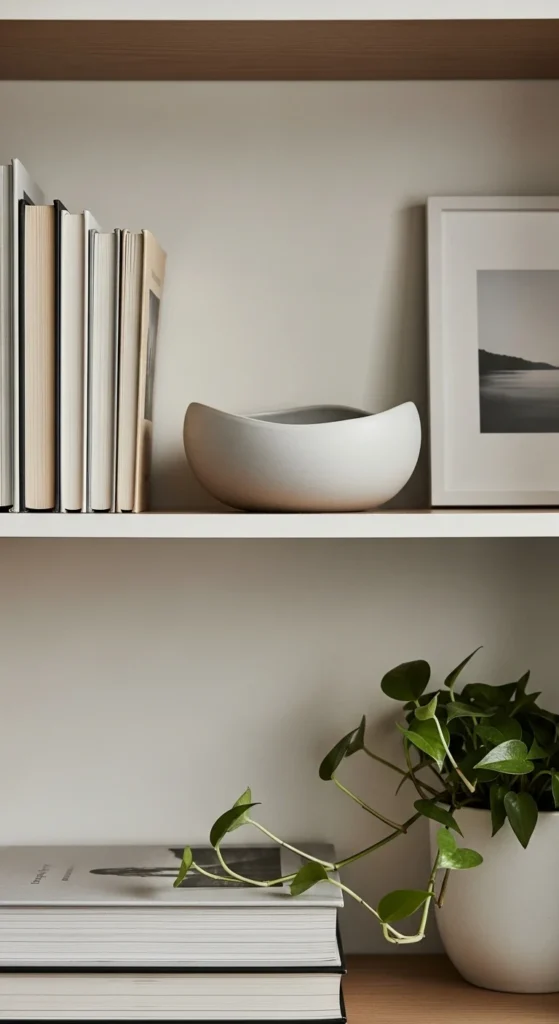
A spring reset doesn’t have to start with shopping. Try a no-buy styling session. Pull everything off your shelf or console. Group items by type: books, frames, ceramics, candles. Then build small groupings with space between them. Turn some books spine-in for a quieter look. Stack a few horizontally to create platforms. Use one framed photo per section. Add one organic element like a plant or a branch. The goal is curation, not filling every gap. If you want color, use what you already have. A single bright book cover or vase can act as the accent. DIY tip: spray paint one old object in a spring tone to create a focal point—just one, not five. Storage trick: hide extra items in a basket on a lower shelf so it stays tidy. This style feels calm and personal because it reflects your own pieces, not a store display. Intentional editing can change a room as much as new decor.

Leave a Reply