

1. Sage Green Living Room Walls
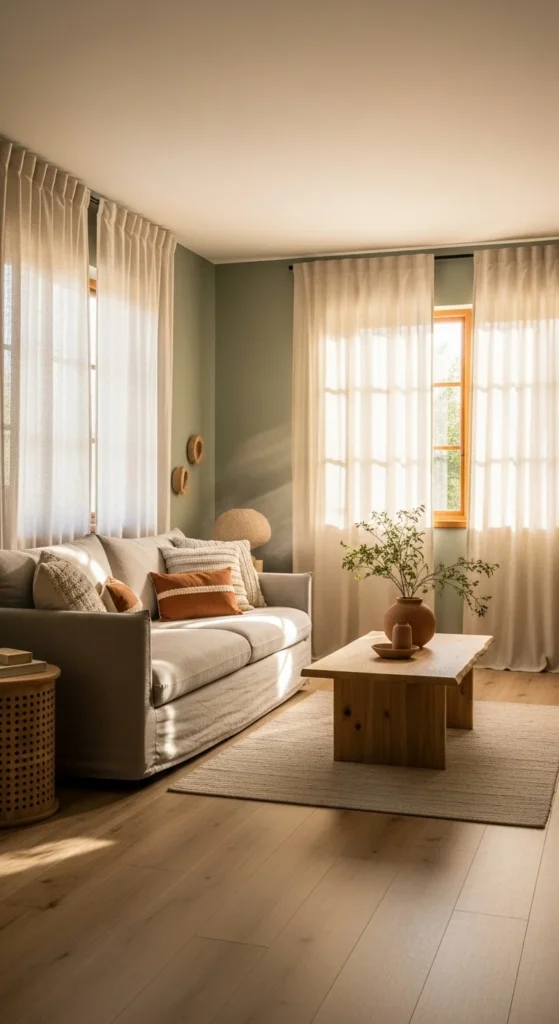
Sage green walls create visual calm without feeling heavy. This shade works well with wood tones like oak, walnut, or birch. Use matte paint for softer reflection. In small rooms, paint only three walls and leave one white to avoid saturation. Sample first. Lighting changes green dramatically. North-facing rooms prefer warmer sage. Pair with linen curtains and a wool rug. For renters, try peel-and-stick wall panels or large sage fabric wall hangings. Keep artwork simple. Black frames or raw wood work best. Avoid mixing with cool grays. Stick to warm neutrals for balance.
2. Potted Plants on Floating Shelves
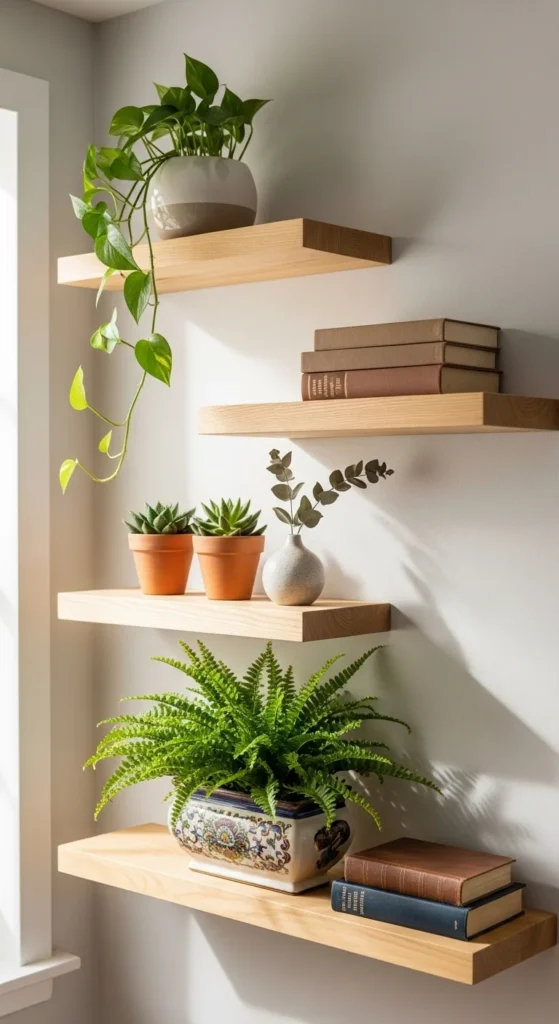
Floating shelves let greenery sit at eye level. Use pothos, philodendron, or faux vines if care is difficult. Mix real and faux to control maintenance. Vary planter heights. Odd numbers look more natural. Use raw clay, stone, or ceramic pots. Avoid plastic shine. Shelves can be DIY with brackets and reclaimed wood. Keep spacing generous so leaves can fall freely. Water trays prevent wall stains. Rotate plants monthly for even growth.
3. Mint Green Accent Chairs
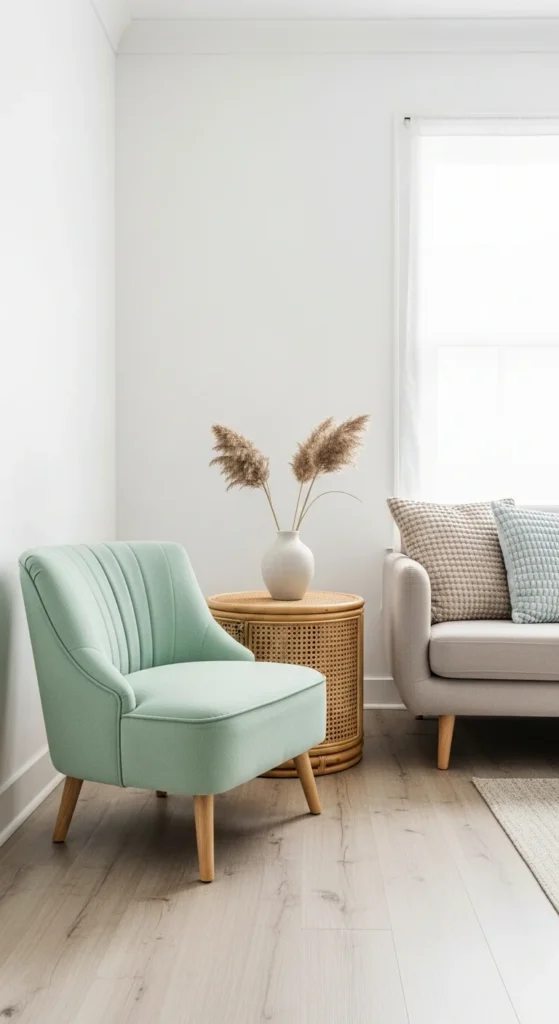
Mint green works best in small doses. Chairs, stools, or benches add energy without overwhelming. Pair with rattan or light wood to soften the tone. Avoid pairing with dark brown. White or sand tones balance it well. Slipcovers are a low-cost option. For retro style, choose curved silhouettes. For coastal rooms, keep lines simple. Place near windows where natural light keeps the color gentle.
4. Terracotta Pots with Green Textiles
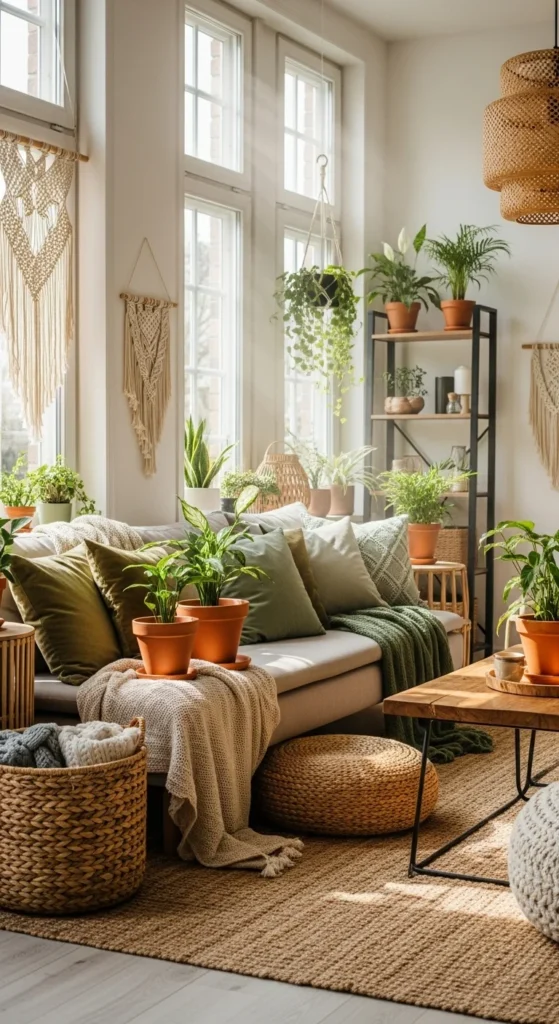
Terracotta brings warmth to green palettes. Use it in pots, trays, or small decor. Balance with green textiles like cushions or throws. Stick to muted greens. Avoid glossy finishes. For budget styling, repaint old pots with limewash. Mix textures. Cotton, wool, and linen soften the look. Keep metals minimal. Brass works better than chrome here.
5. Rattan Furniture Corners
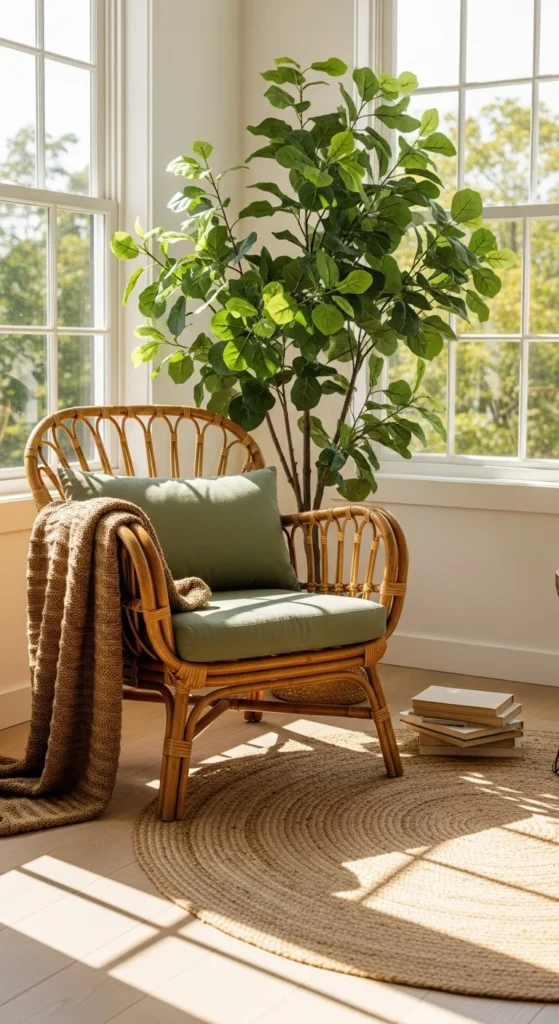
Rattan introduces organic texture instantly. One chair is enough. Add a green cushion or throw to tie the palette together. Avoid overcrowding. Let the piece breathe. Secondhand stores often carry rattan cheaply. Check joints for stability. Seal lightly to avoid splinters. Pair with jute or sisal rugs. Keep walls light for contrast.
6. Green Botanical Print Gallery
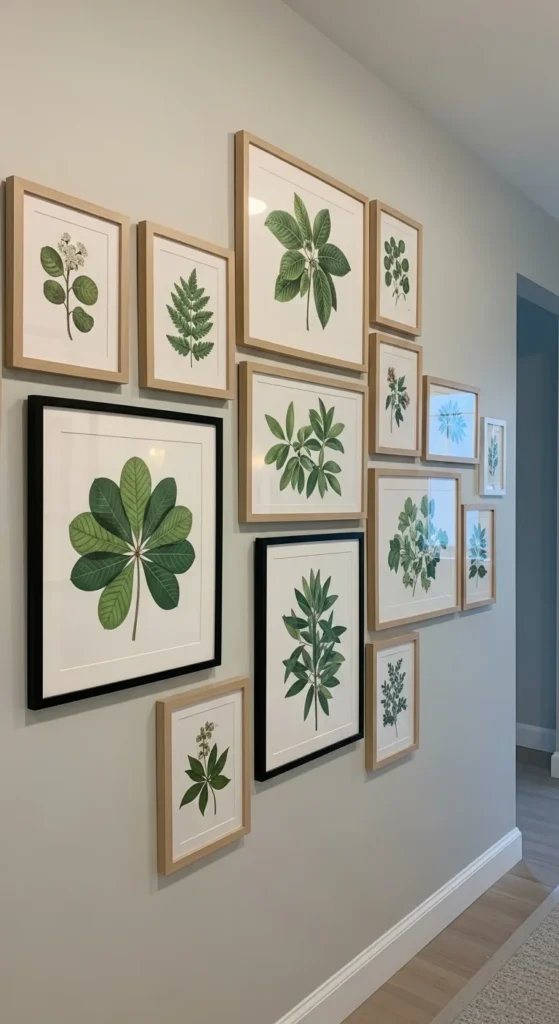
Botanical prints reinforce nature themes without live plants. Use illustrations, not photos, for timeless style. Keep frames consistent. Mix leaf shapes for variety. Print at home on textured paper for savings. Arrange on the floor first. Keep spacing equal. Hallways and staircases work well for this idea.
7. Color-Drenched Light Green Bedroom
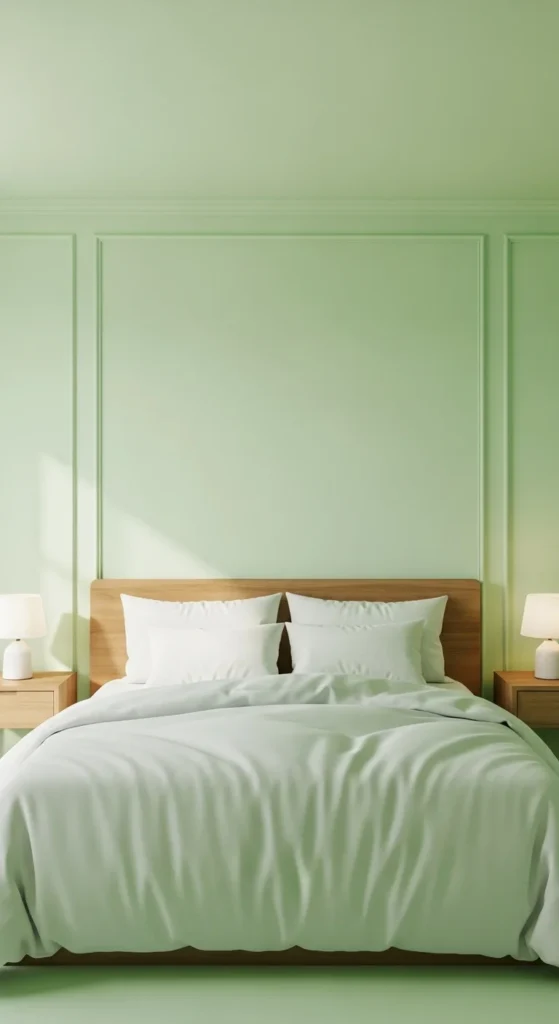
Light green color drenching creates cohesion. Choose low-saturation shades. Use eggshell finish to avoid glare. Keep bedding neutral. White, cream, or flax works well. Wood tones add warmth. Avoid adding more colors. Let texture do the work. If unsure, test with removable wallpaper first.
8. Faux Greenery Coffee Table Trays
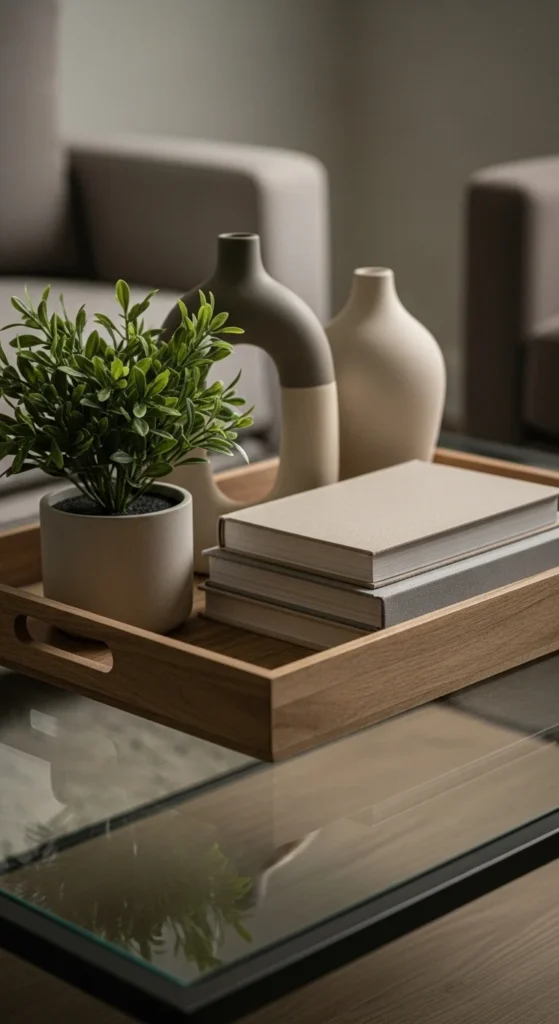
Faux greenery works where sunlight is limited. Choose realistic stems with varied leaf color. Avoid symmetry. Trim stems shorter for realism. Place in trays to keep styling contained. Dust monthly. Matte leaves look more natural than glossy ones. This works well in rental spaces.
9. Green Kitchen Backsplash Tiles
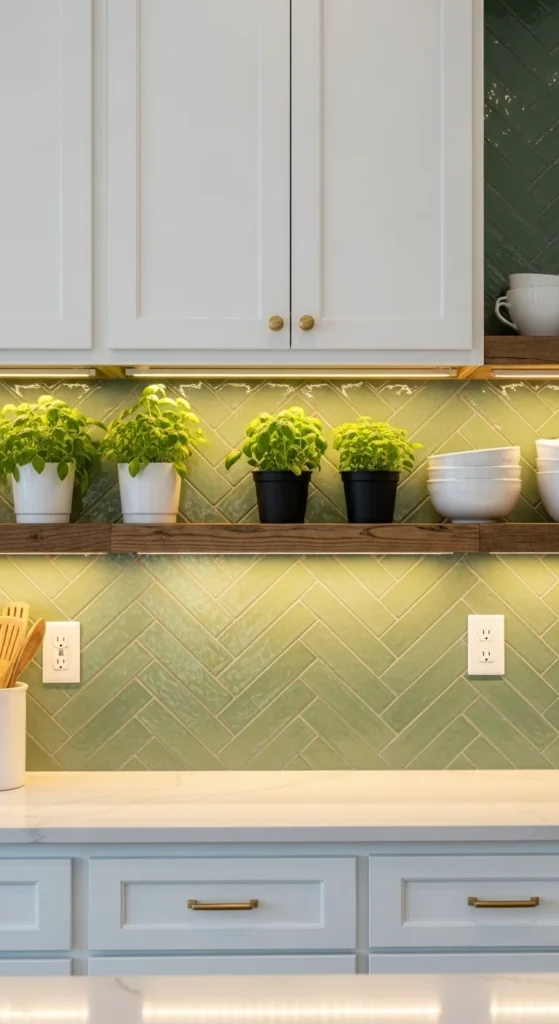
Green tiles bring color without clutter. Choose handmade-look tiles for texture. Keep grout light. Dark grout can dominate. Install only on one wall if hesitant. Peel-and-stick versions work for quick updates. Pair with wood shelves instead of metal.
10. Indoor Herb Window Setup
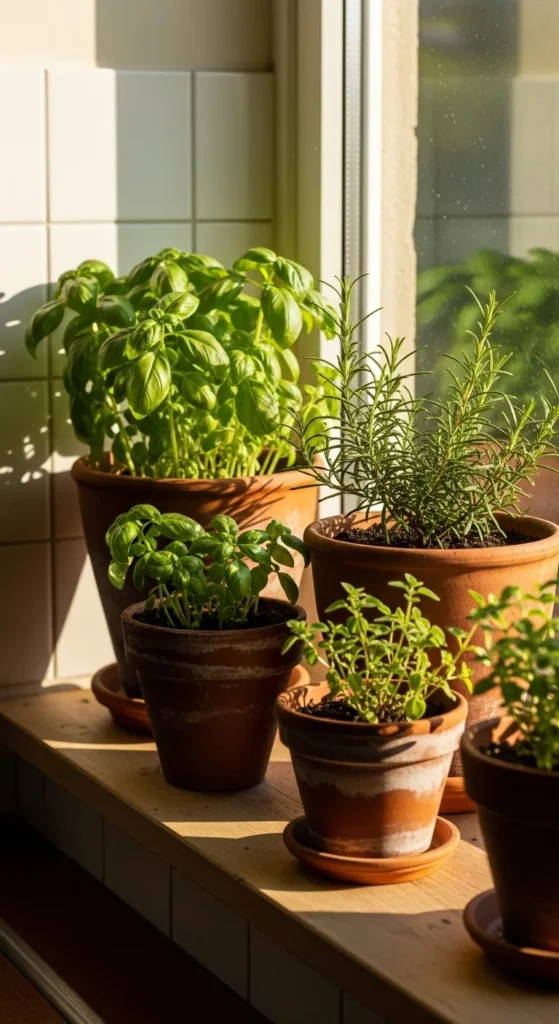
Herbs combine decor and function. Basil, mint, and rosemary work indoors. Use matching pots for calm visuals. Add trays to catch water. South-facing windows are ideal. Faux herbs also work if maintenance is an issue. Keep labels subtle or skip them.
11. Green Linen Curtains
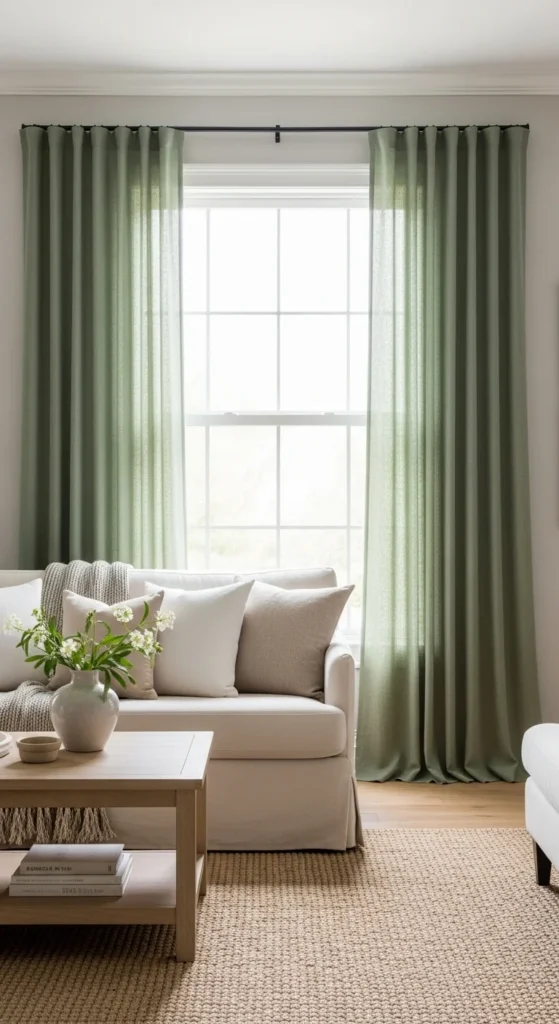
Linen curtains soften light beautifully. Green tones add calm without blocking brightness. Hang high to elongate walls. Use lightweight fabric. Avoid heavy lining. For budget options, dye white linen panels at home using fabric-safe dye.
12. Jute Rugs with Green Accents
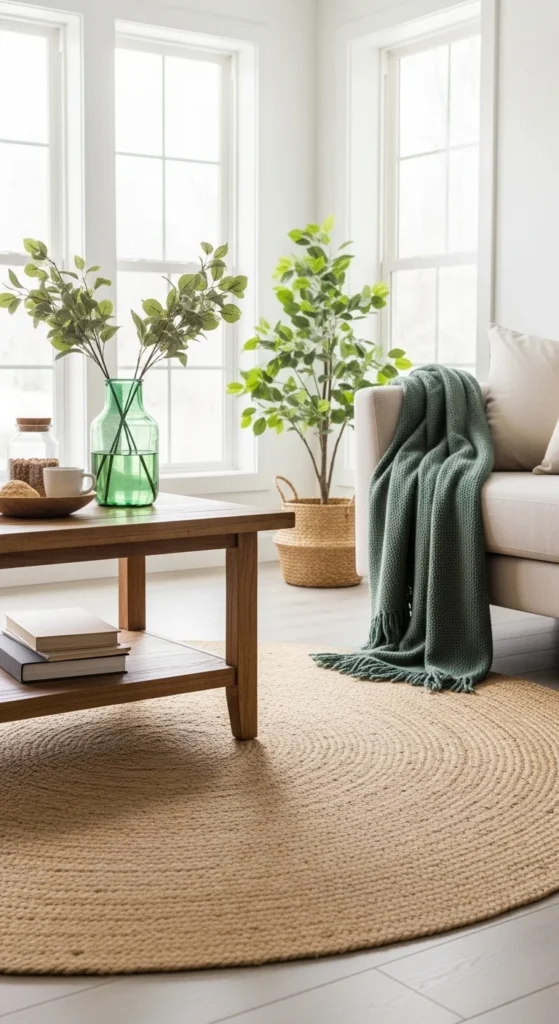
Jute grounds green decor naturally. It pairs well with plants and wood. Layer with green textiles for contrast. Avoid damp areas. Rotate rug to prevent wear. Choose tight weaves for durability.
13. Celadon Green Ceramic Decor
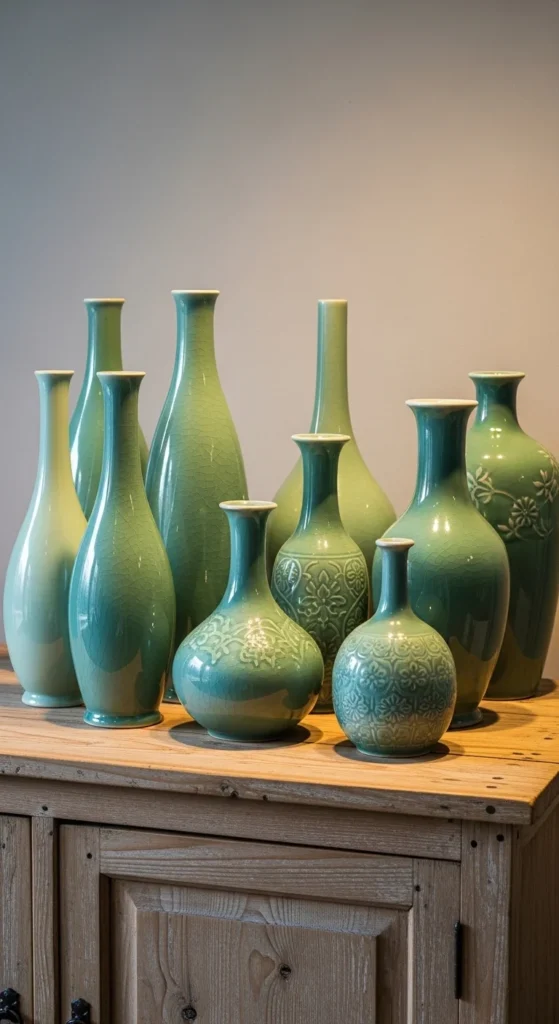
Celadon offers a softer alternative to bold greens. Use in vases, bowls, or lamps. It suits vintage or country styles. Pair with aged wood and linen. Thrift stores often carry similar ceramics.
14. Green Accent Wall Behind Bed
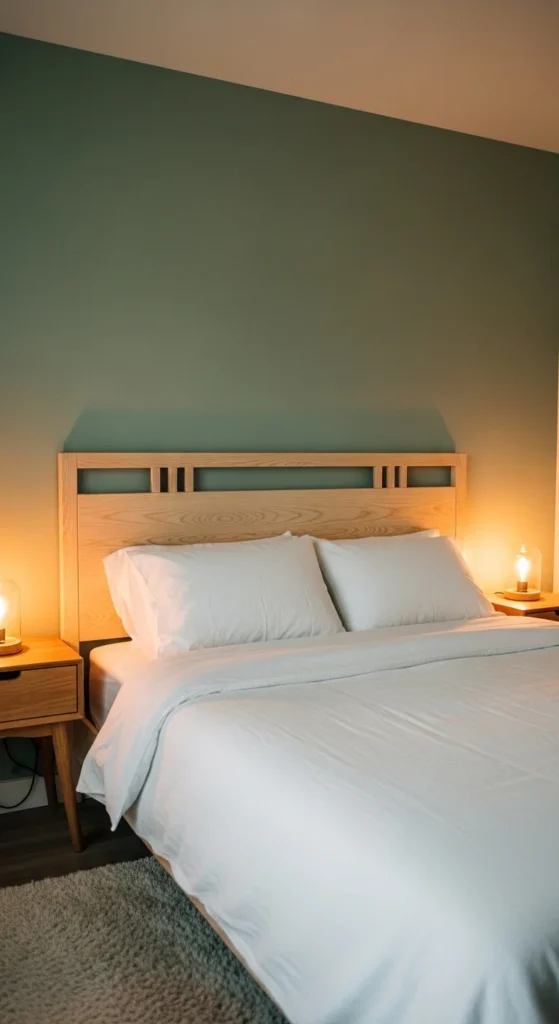
An accent wall adds focus. Choose muted green to avoid heaviness. Paint behind the headboard only. Keep other walls light. This works well in rentals using removable wallpaper.
15. Hanging Plants in Corners
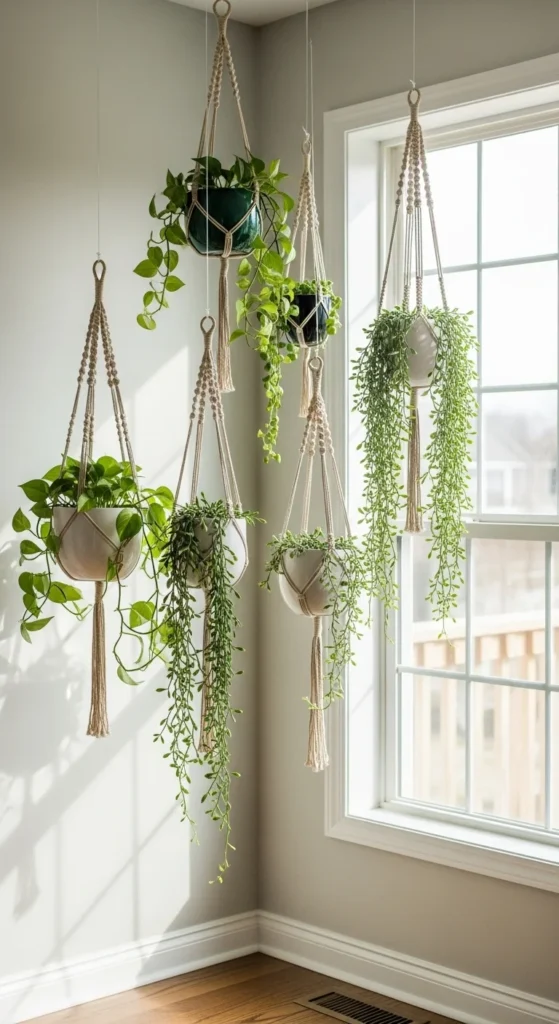
Corners often go unused. Hanging plants fill vertical space gently. Use ceiling hooks or wall brackets. Faux options work too. Keep heights staggered. Avoid placing above seating.
16. Green Bathroom Accessories
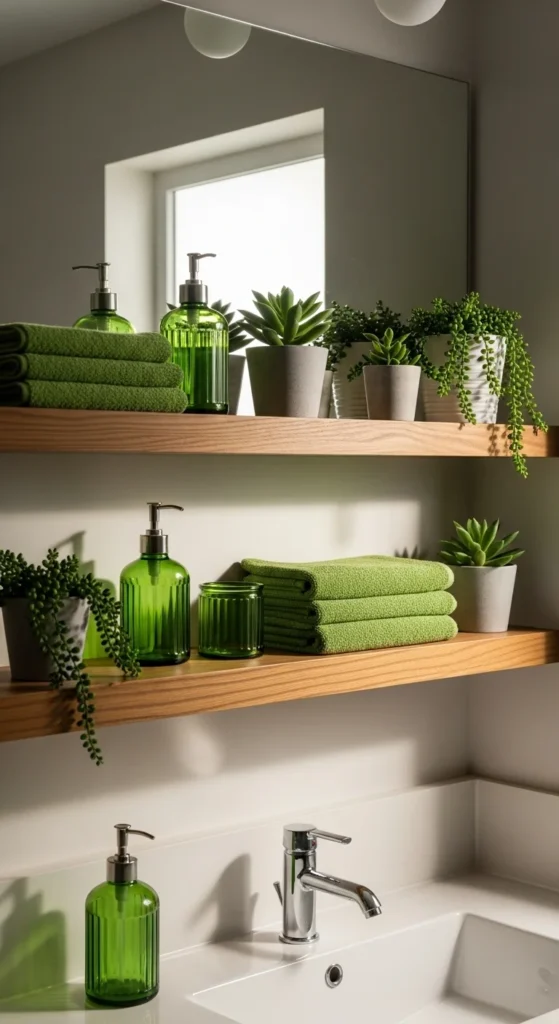
Small accessories change tone quickly. Towels, trays, and containers in green add cohesion. Stick to one shade. Avoid mixing many greens. Bamboo accessories pair well here.
17. Green Upholstered Headboard
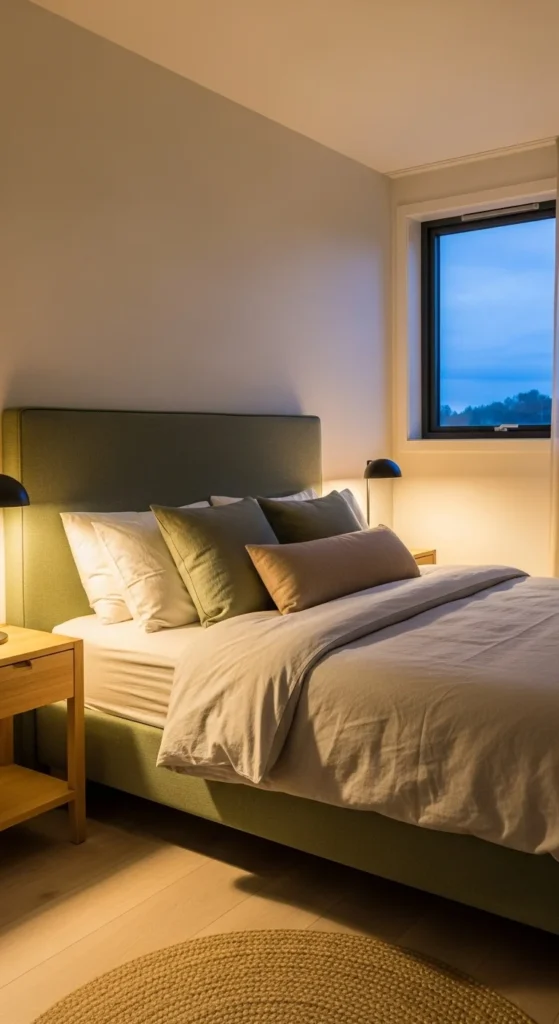
A headboard adds color without painting. Choose textured fabric like linen or velvet. Keep bedding simple. DIY options include padded panels covered in fabric.
18. Green Table Runners and Linens
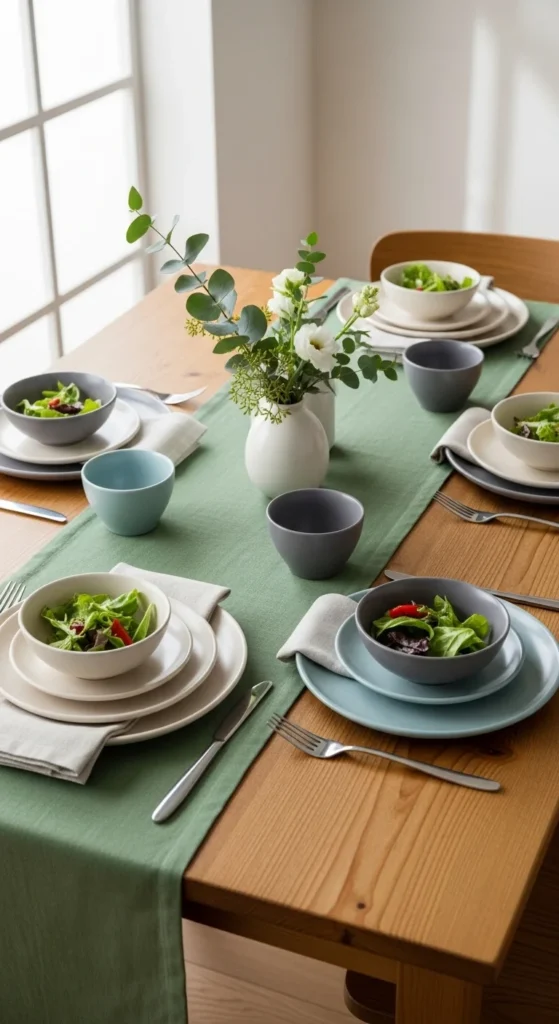
Textiles offer seasonal change without commitment. Runners, napkins, or placemats work well. Washable linen is practical. Keep patterns minimal. Solids feel calmer.
19. Green Bookshelves Styling
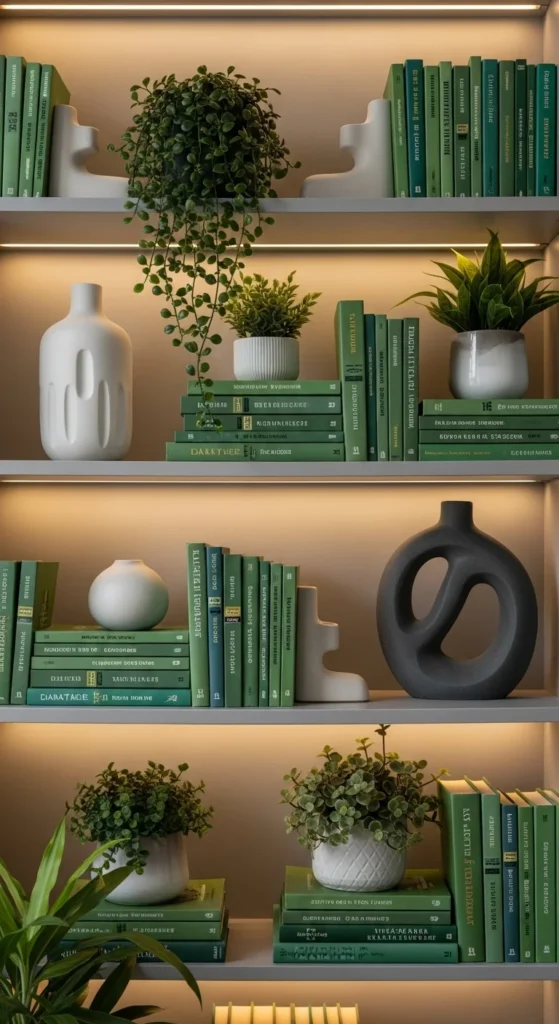
Use green as an organizing cue. Group books by tone. Add plants for variation. Leave negative space. Avoid overfilling shelves.
20. Biophilic Entryway Styling
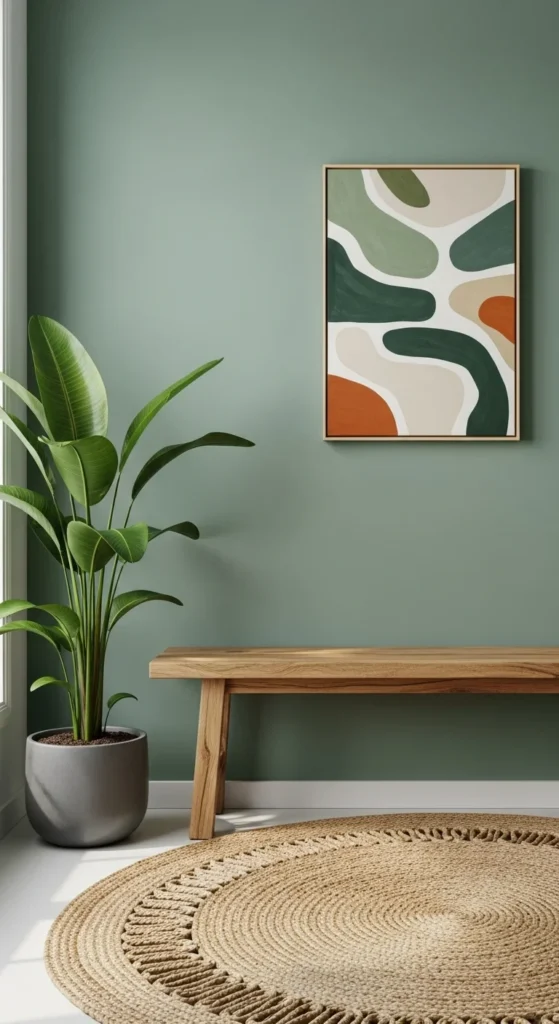
Entryways set the mood. Add one plant, one green element, and one natural texture. Keep it simple. Wall hooks in wood or matte black work well. This area benefits from restraint.
21. Forest Green Throw Pillows on Neutral Sofas
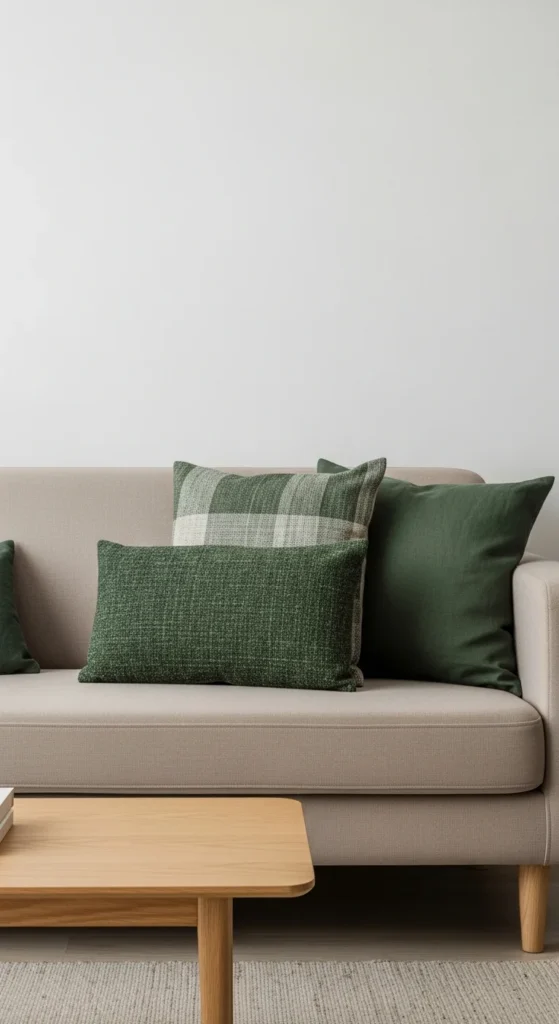
Forest green reads grounded and composed when used on a neutral base. Pillows are an easy swap for seasonal change. Mix textures rather than patterns. Linen with subtle slub, wool with tight weave. Keep sizes varied. Two larger pillows and one lumbar feel intentional. Avoid pairing with cool gray sofas. Warm beige or off-white works better. For budget updates, use pillow covers instead of inserts. Keep inserts full for structure. If the room lacks plants, this shade still suggests nature without maintenance. Rotate covers with lighter greens during warmer months to keep balance.
22. Honeydew Green Kitchen Accessories
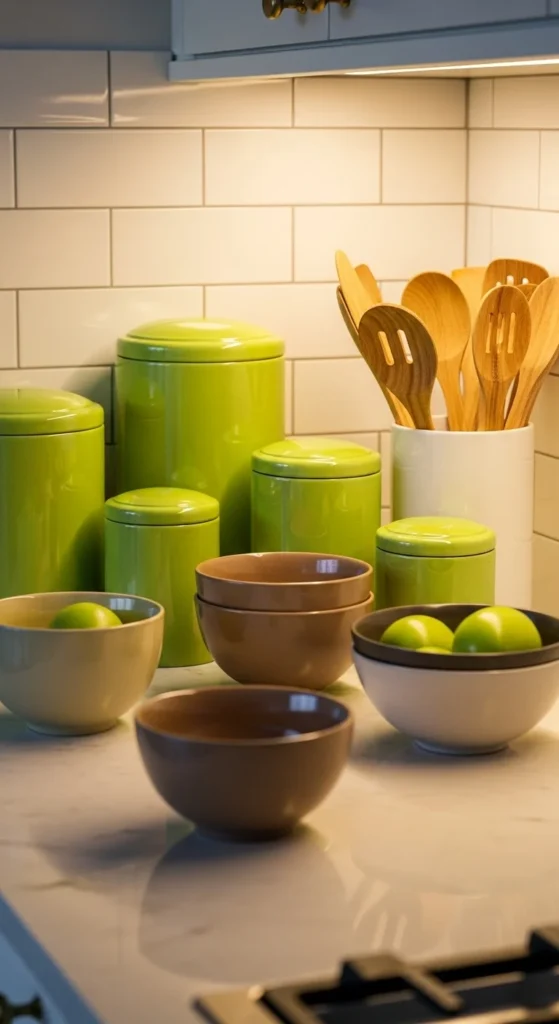
Honeydew green adds softness without visual weight. Use it on small items. Canisters, bowls, utensil holders. Keep metals muted. Brass or wood over chrome. Limit to one surface to avoid scatter. If cabinets are dark, this tone offers contrast. DIY option: ceramic spray paint with satin finish. Test first. Keep shapes simple. Cylinders and shallow bowls work best. This shade pairs well with butcher block and white tile.
23. Gray-Green Wall Art for Minimal Rooms
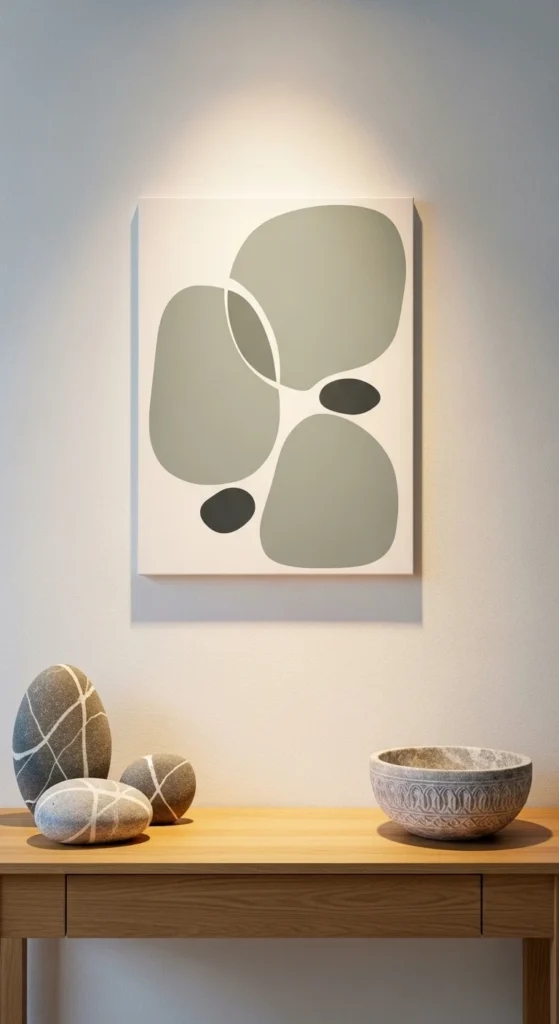
Gray-green suits restrained interiors. Use abstract art or landscapes with limited contrast. Frames should be thin. Wood or black. Hang at eye level. Keep spacing precise. This tone works in offices or bedrooms where stronger greens feel distracting. Print digital art on textured paper to reduce glare. If walls are white, this color reads gentle rather than dull. Avoid mixing with cool blues nearby. Stick to stone, wood, and neutral textiles.
24. Full Biophilic Reading Nook
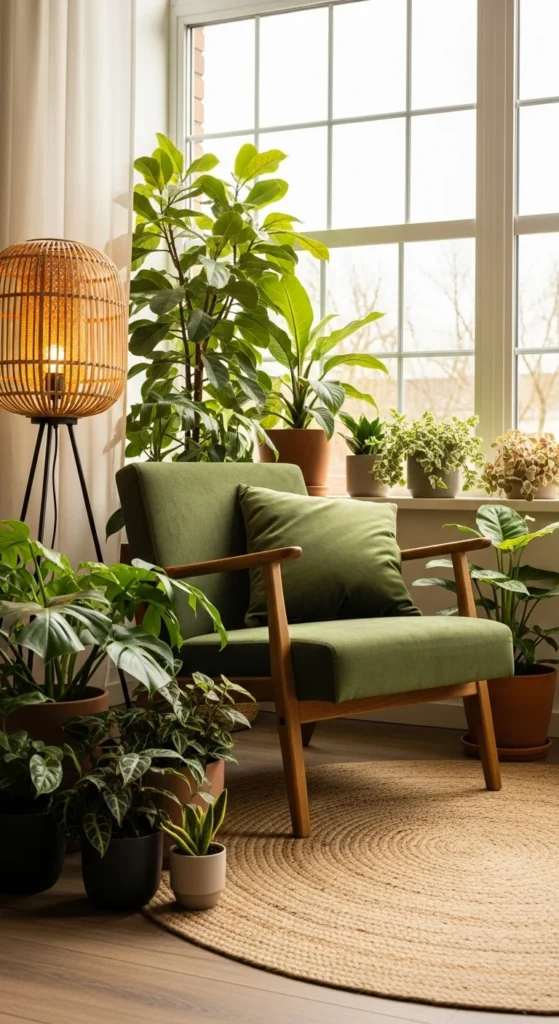
A biophilic nook combines multiple natural elements in one zone. Limit it to a corner so the rest of the room stays quiet. Use one chair, one rug, and two to three plants. Faux and real can mix. Keep greens within one family. The lighting should be warm. Avoid overhead glare. Floor lamps with woven shades work well. This setup encourages pause without clutter. Rearrange seasonally by changing textiles rather than furniture. Small spaces benefit most from this approach.

Leave a Reply