

1. Neutral Color Palette Base
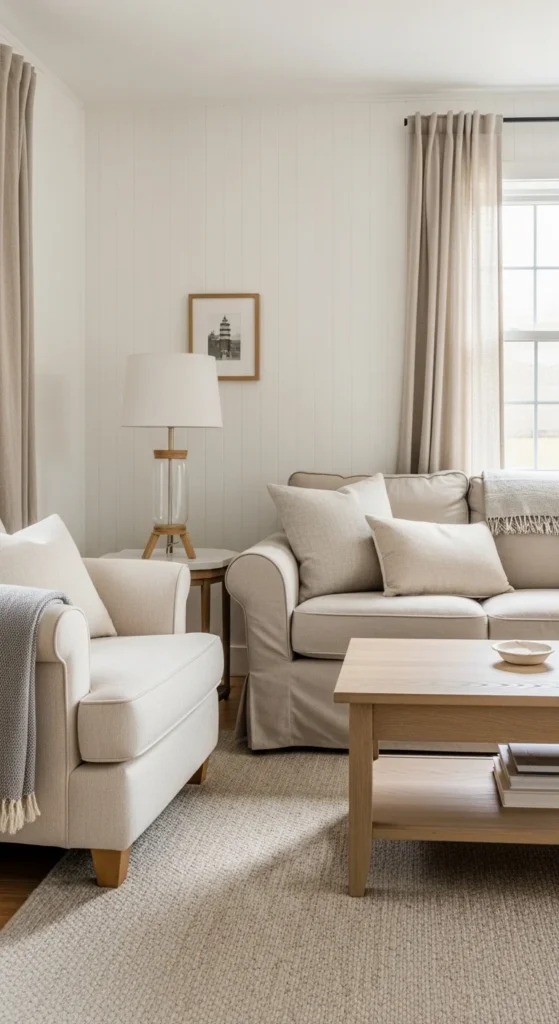
Neutral colors help small rooms feel open and calm. Whites, creams, and warm beiges bounce light around the space. They also give you more flexibility when styling later. Start with walls and large furniture in soft neutrals. Add contrast through wood tones and subtle patterns. If painting feels intimidating, try peel-and-stick wallpaper in a pale linen look. Slipcovers in off-white cotton are another low-cost option. Keep the ceiling slightly lighter than the walls to visually lift height. Layer in warmth using throws or pillows instead of bold paint. This approach creates an airy farmhouse foundation that never feels heavy.
2. Floating Shelves for Vertical Storage
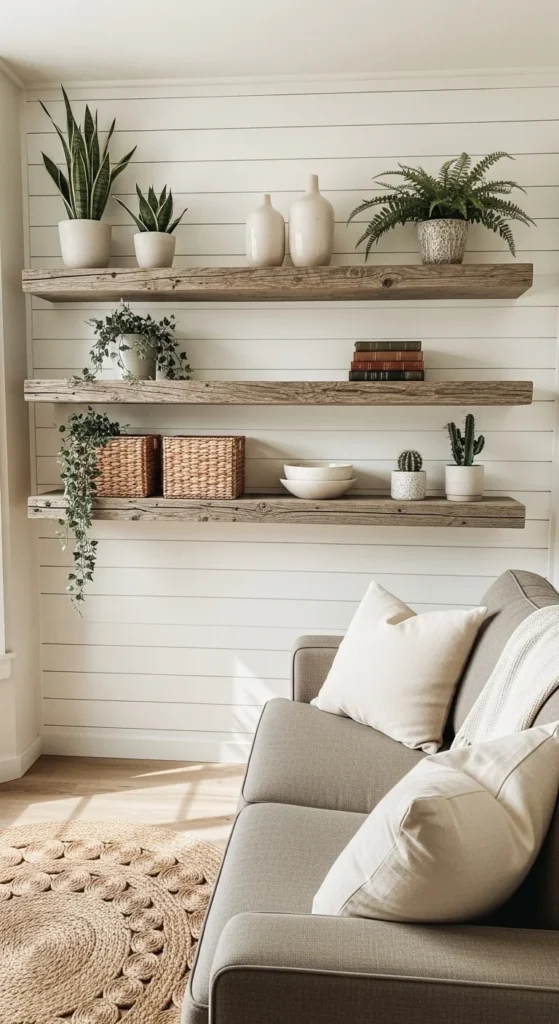
When floor space runs out, look up. Floating shelves pull storage off the ground while adding style. Use reclaimed wood or stained pine for farmhouse character. Keep displays simple. Stack a few books. Add one plant. Place a small basket for hidden items. Leave breathing room between objects. For budget installs, use heavy-duty L-brackets painted white and add a wood plank on top. Mount shelves higher than eye level to make ceilings feel taller. This trick delivers clutter-free coziness without crowding furniture.
3. Shiplap Accent Wall
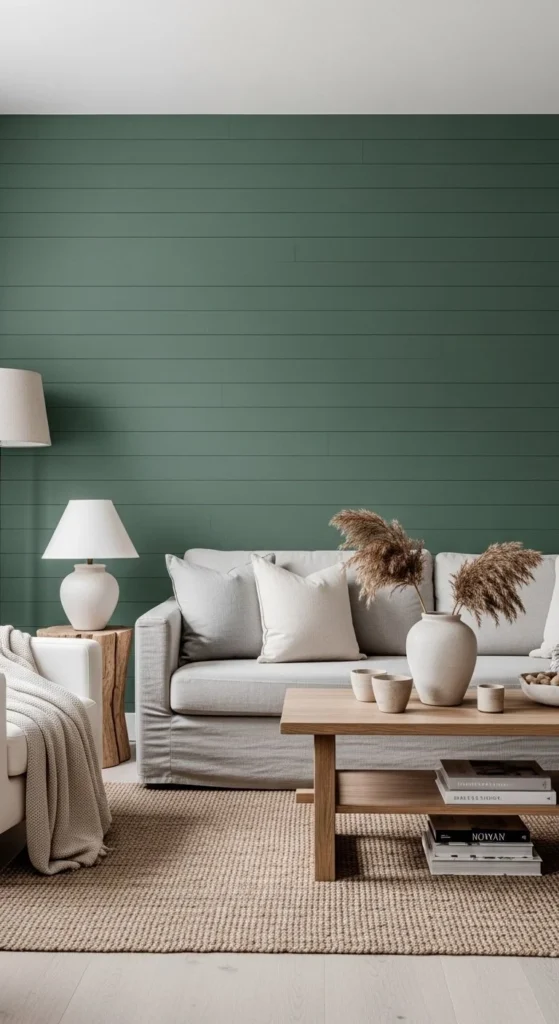
One accent wall adds depth without shrinking the room. Shiplap brings texture and farmhouse character. Stick to light colors for small spaces. Horizontal boards widen a room. Vertical boards create height. Peel-and-stick panels offer a renter-friendly route. If installing real boards, paint before mounting to save time. Keep surrounding walls simple so the feature stands out. A shiplap wall creates a quiet focal point that anchors furniture without visual clutter.
4. Slim Sofa + Storage Ottoman Combo
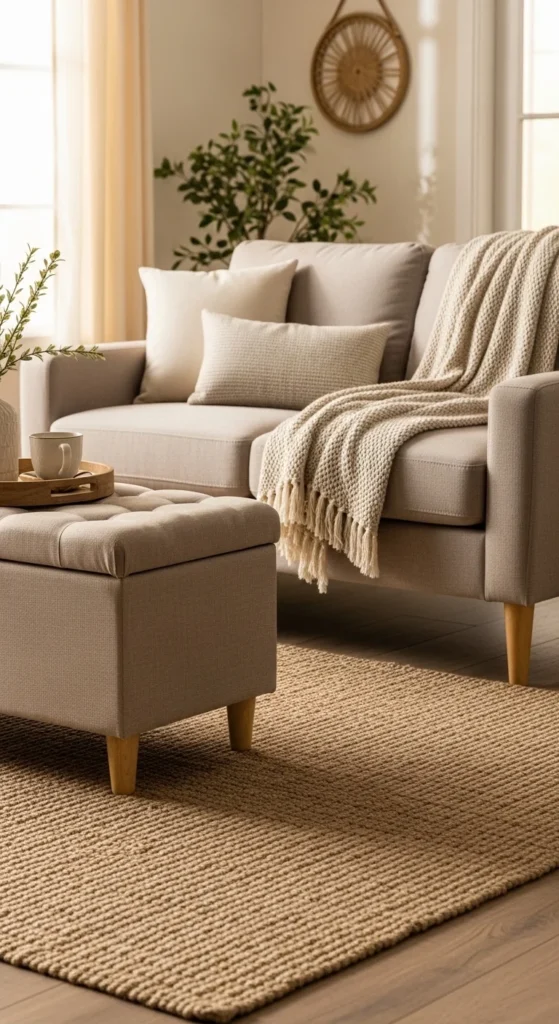
Bulky furniture crowds small rooms fast. Choose sofas with slim arms and exposed legs. Pair with a storage ottoman instead of a solid coffee table. Inside, stash blankets, board games, or pillows. On top, place a wood tray for drinks. Look for secondhand pieces and add new slipcovers. This pairing offers seating, storage, and surface space in one setup. It’s a smart way to get function without bulk.
5. Mirrors Opposite Windows
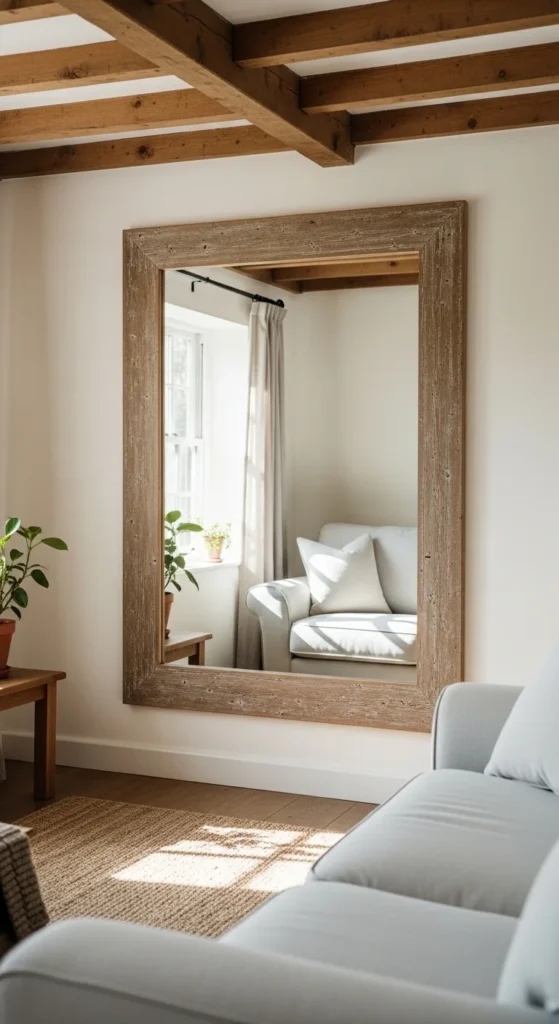
Mirrors double the impact of natural light. Hang one directly across from a window when possible. Choose simple wood or distressed frames. Large mirrors work better than clusters. Leaning floor mirrors also work in tight spaces. Thrift stores often have solid frames that only need paint. Keep the surrounding wall decor minimal. This single change creates a bigger-feeling room with very little effort.
6. Layered Textiles for Cozy Depth
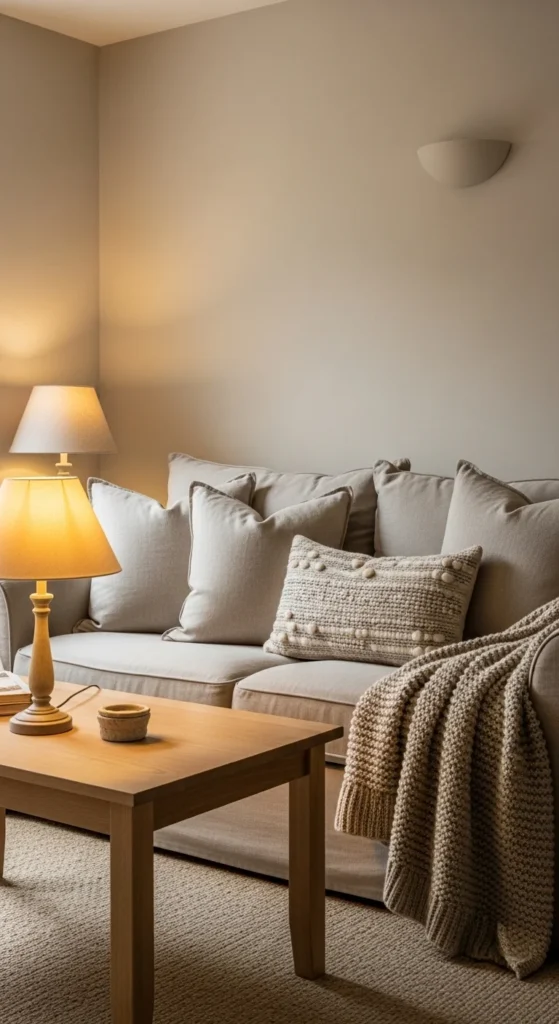
Layering textiles adds warmth without using extra floor space. Mix linen, cotton, wool, and subtle knits. Stick to a tight color range so patterns don’t overwhelm. Start with two pillows, then add one textured throw. Rotate seasonally to keep things feeling new. Look for pillow covers instead of full inserts to save money. Washable fabrics make everyday life easier. This approach creates rich texture without visual noise.
7. Woven Baskets as Hidden Storage
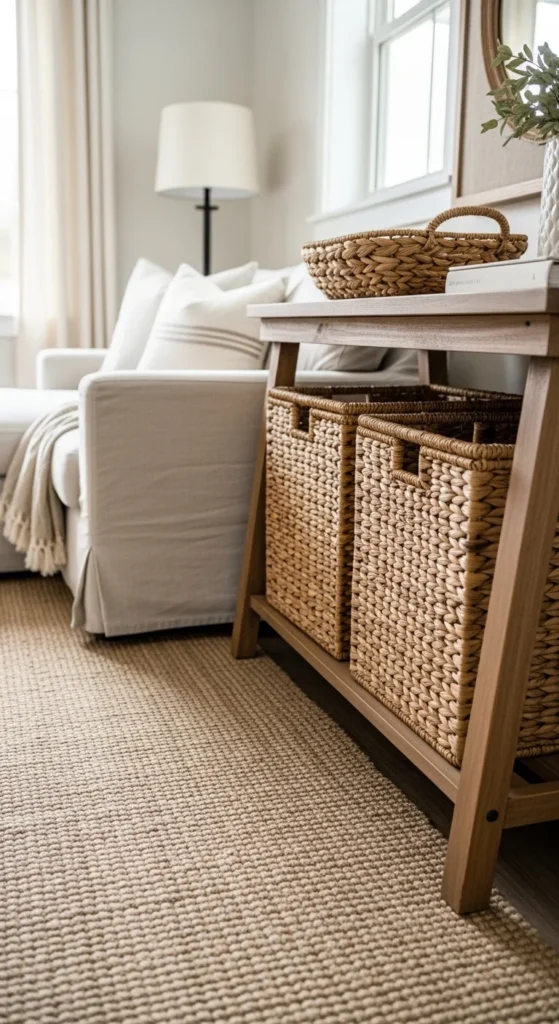
Baskets hide clutter while adding texture. Use them for blankets, toys, or magazines. Slide one under an end table. Place another near the sofa. Choose natural fibers like seagrass or rattan for farmhouse style. Keep basket shapes similar for a calm look. Thrift stores and discount shops often carry good options. This method supports quiet organization without adding cabinets.
8. Sheer Curtains for Natural Light
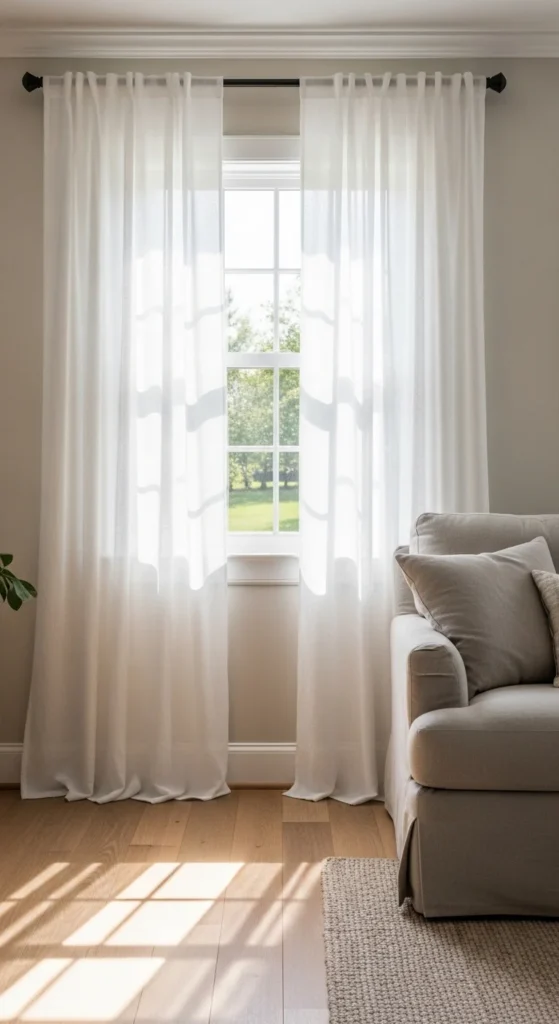
Heavy drapes block light and shrink rooms visually. Sheer curtains soften light while keeping privacy. Hang rods wider than the window frame. This makes windows appear larger. Choose off-white or warm ivory fabrics. For budget setups, use tension rods or simple clip rings. Let curtains brush the floor for a taller look. The result is gentle brightness all day long.
9. Reclaimed Wood Coffee Table
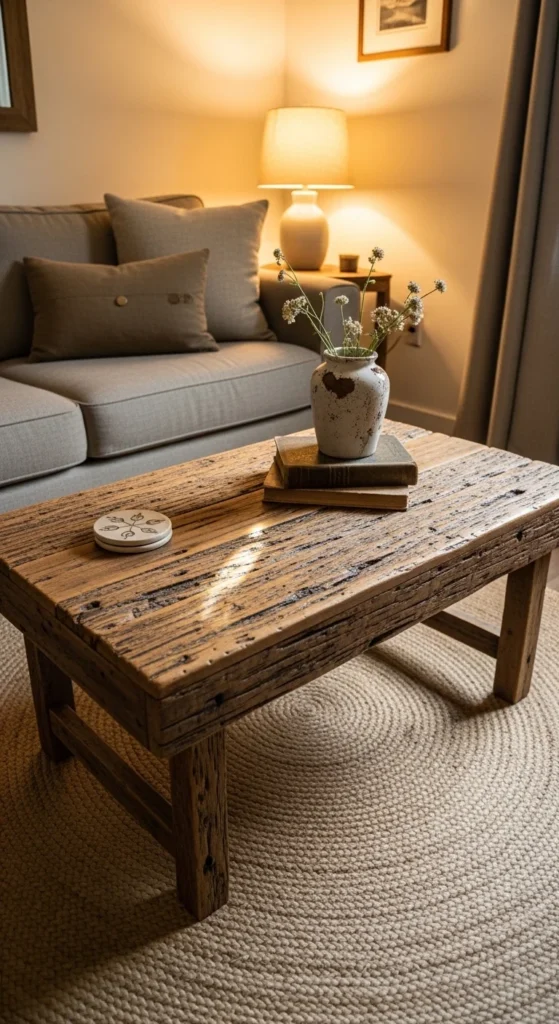
Reclaimed wood brings character fast. One strong wood piece grounds a neutral room. Look for narrow rectangular shapes or round tables with slim legs. DIY option: sand an old pallet and add hairpin legs. Keep decor simple on top. A tray. One book. One candle. This keeps the table functional without clutter. You get rustic warmth without crowding the layout.
10. Matte Black Accent Touches
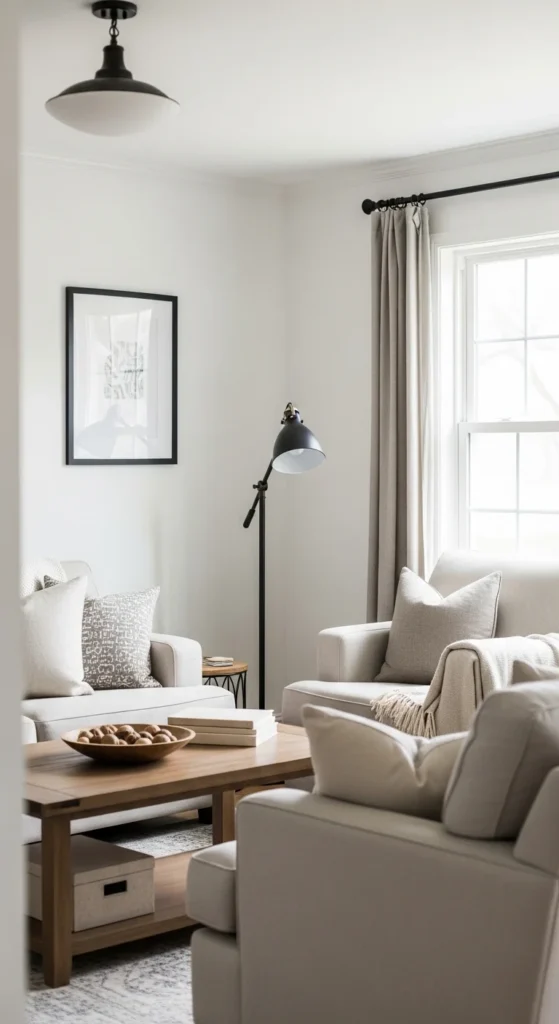
Small black accents add contrast. Think lamp bases, curtain rods, frames, or hardware. Spread them evenly through the room. Avoid clustering. Matte finishes feel softer than glossy. You don’t need many pieces. Even three small touches can shift the look. This creates a modern rustic balance that keeps farmhouse style from feeling dated.
11. Open Shelf Styling Zones
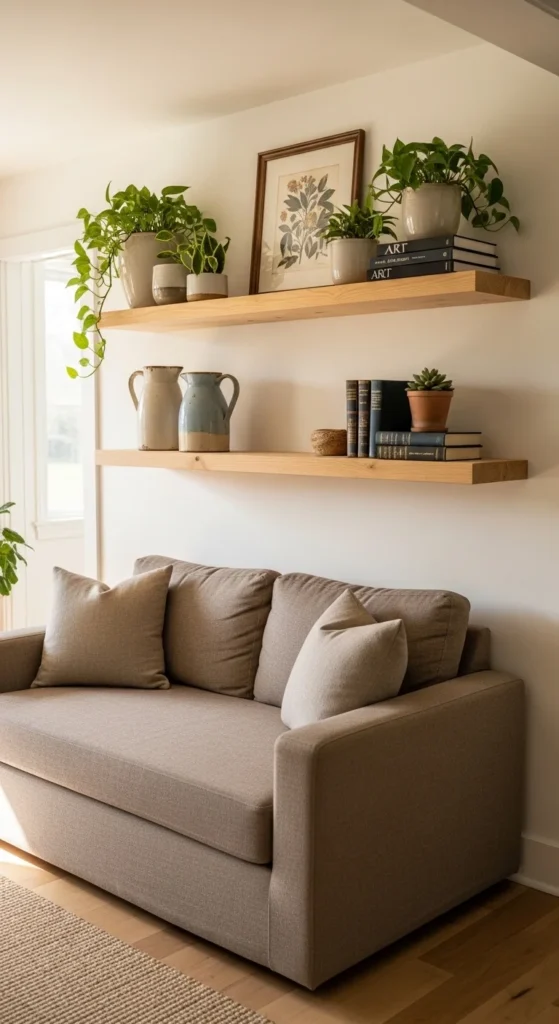
Open shelves look best when styled in zones. Group items in threes. Mix tall, medium, and small objects. Leave some open space. Use a repeating color to tie everything together. Rotate decor seasonally to prevent boredom. Keep everyday items on lower shelves. Display-only pieces go higher. This method delivers curated farmhouse charm without clutter overload.
12. Space-Saving Barn Door
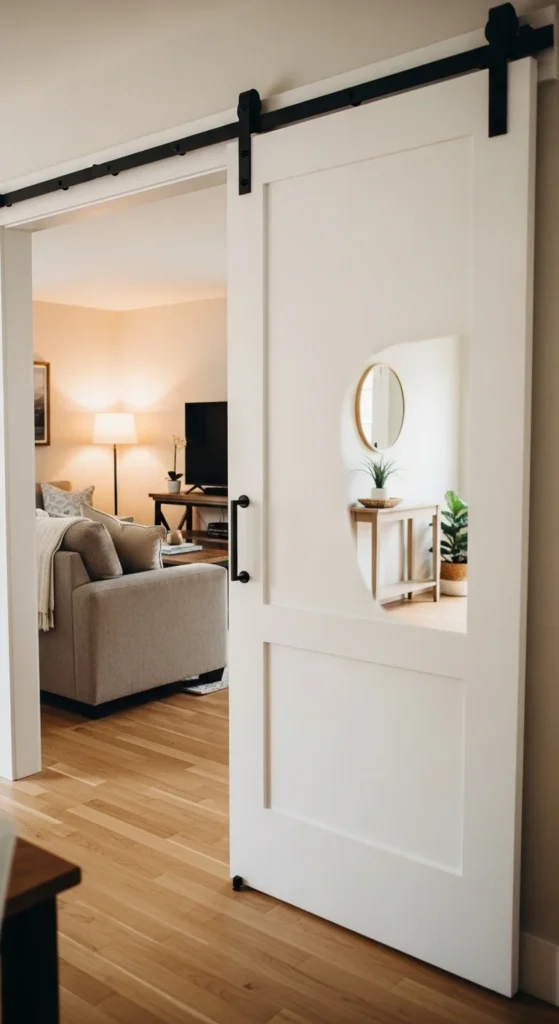
Traditional doors swing into precious space. Sliding barn doors glide along the wall instead. Choose lighter stains or painted finishes for small rooms. Install on a single track to save wall space. Faux barn door panels work for rentals. This swap improves flow while adding rustic character.
13. Low-Profile TV Console
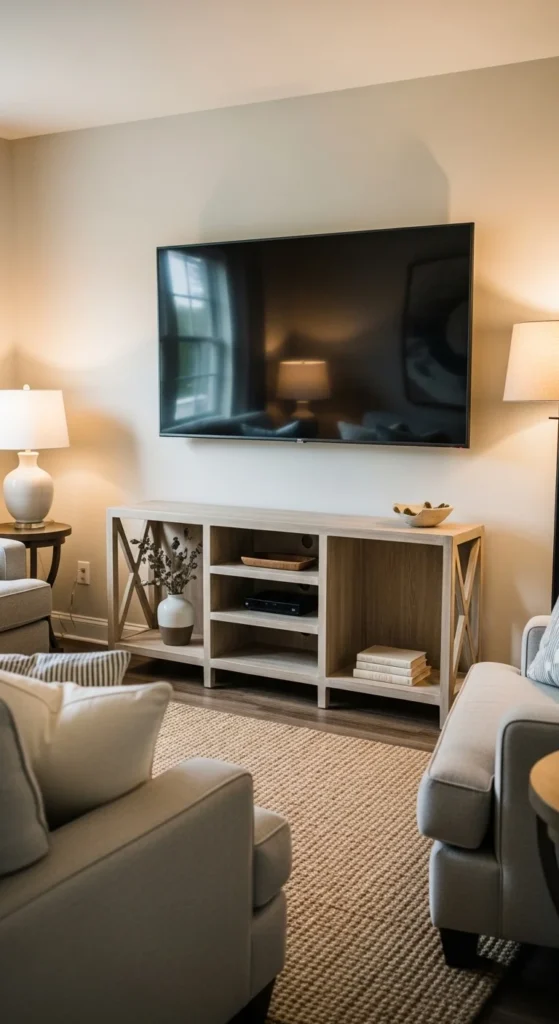
Short, narrow consoles keep sightlines open. Look for open shelves instead of closed cabinets. Use baskets to hide electronics. Mount the TV slightly above the console to free surface space. Avoid bulky hutches or tall units. This setup creates visual breathing room around technology.
14. Greenery in Simple Planters
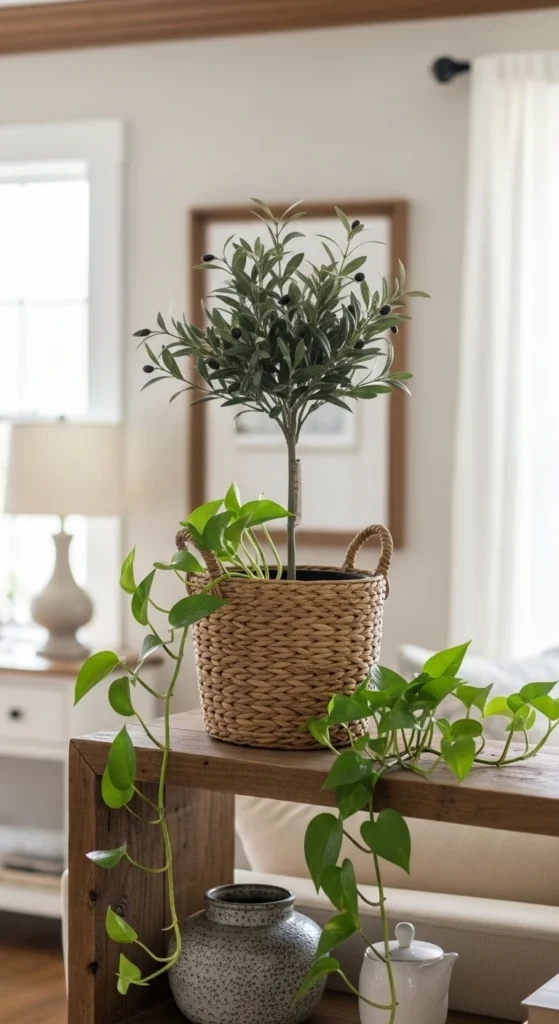
Plants soften hard edges. Choose one floor plant and one shelf plant. Stick to easy varieties like pothos or snake plants. Use clay pots or woven baskets. Faux plants also work when chosen carefully. Keep foliage minimal. Greenery adds natural softness without crowding surfaces.
15. Layered Area Rugs
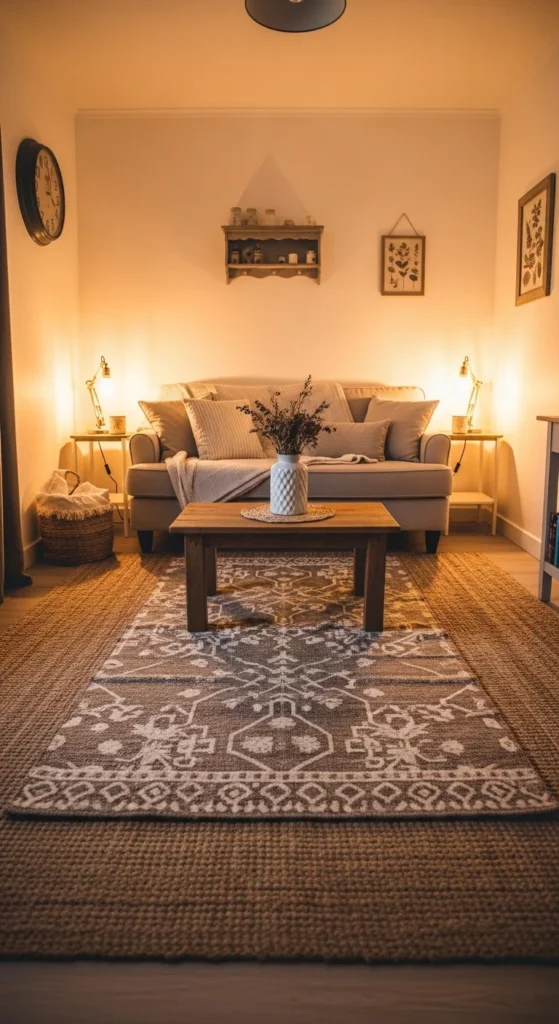
Layering rugs adds texture and helps define seating zones. Start with a large jute rug. Place a smaller patterned rug on top. Keep colors muted. This also helps soften sound in small rooms. Look for thin rugs so layers sit flat. You get a cozy definition without walls.
16. Gallery Wall That Draws Eyes Up
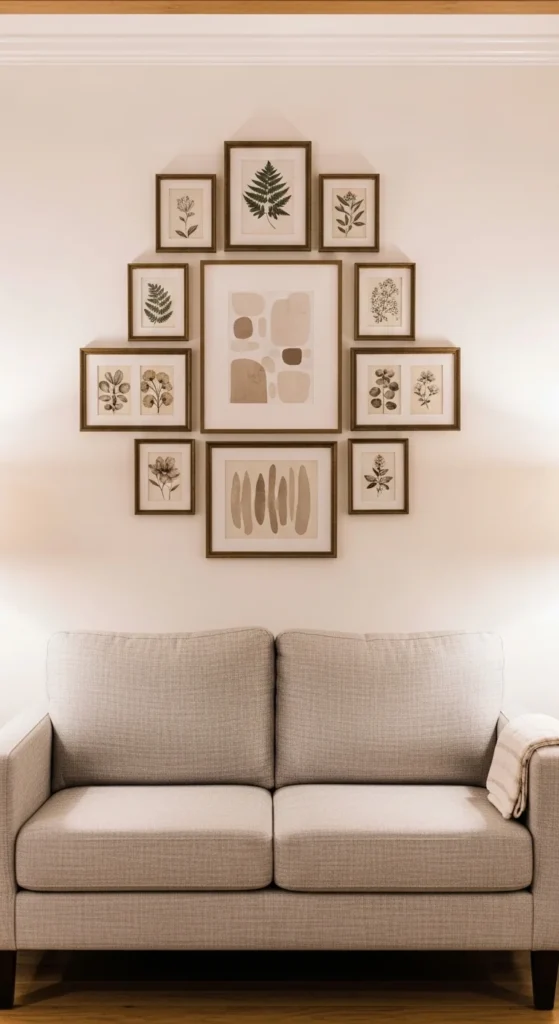
Vertical gallery walls shift focus upward. This makes ceilings feel taller. Choose simple frames in wood, black, or white. Keep artwork within a soft color palette. Lay the layout on the floor before hanging. Start from the center and work outward. Mix art sizes, but keep spacing consistent. This creates height-enhancing visual flow without filling floor space.
17. Curated Vintage Accessories
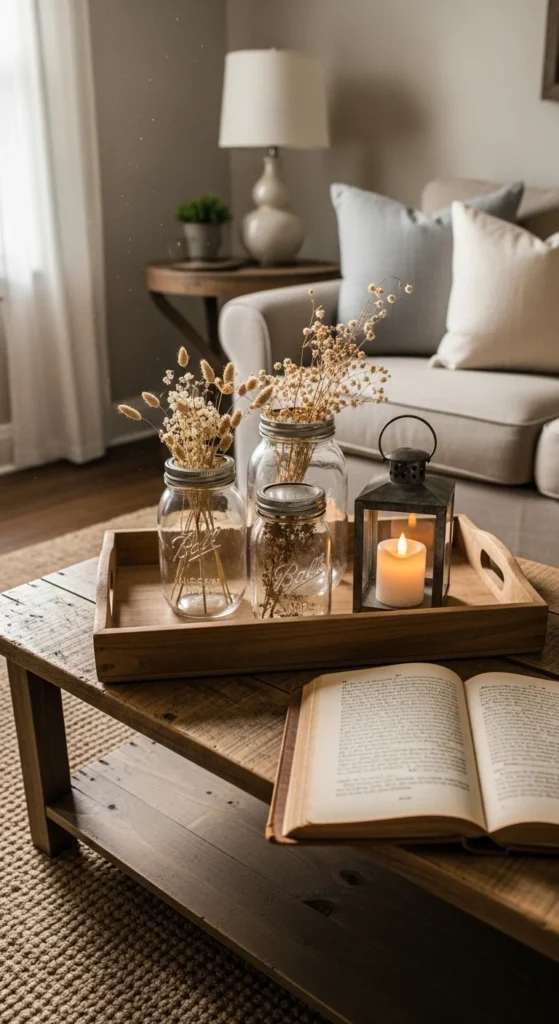
Vintage pieces add soul. Limit yourself to a few items. A pair of mason jars. One lantern. One old book. Group them on trays to keep surfaces tidy. Thrift stores and flea markets are great sources. Skip overly themed signs. Subtlety feels more authentic. This approach gives personality without clutter.
18. Conversation-Focused Seating
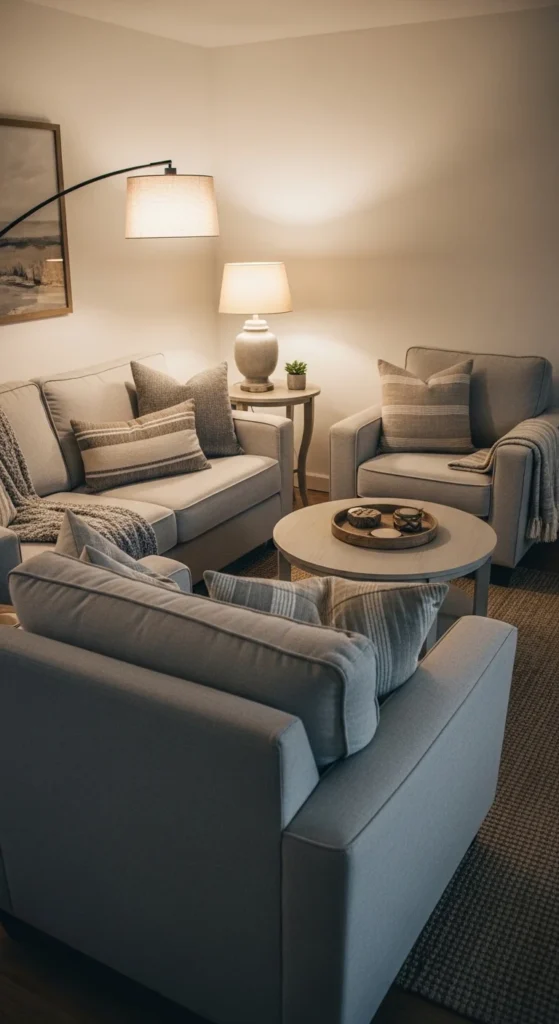
Avoid pushing all furniture against walls. Angle seating slightly toward each other. Use a round coffee table to soften the layout. Keep walkways clear. This creates a welcoming zone for talking and relaxing. It also prevents the room from feeling like a hallway. You get better flow and comfort with the same furniture count.
19. Distressed Wood Accent Chair
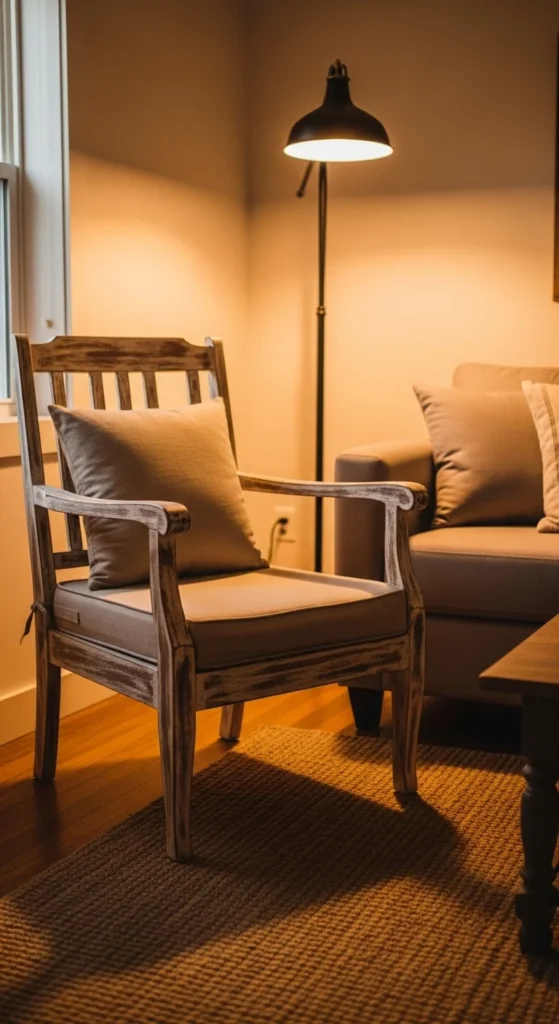
One statement chair can replace a bulky loveseat. Look for slim frames with visible wood grain. Pair with a simple cushion. Sand and stain secondhand chairs for quick updates. Keep upholstery neutral. This adds seating plus authentic farmhouse character without crowding.
20. Multi-Purpose Wall Hooks
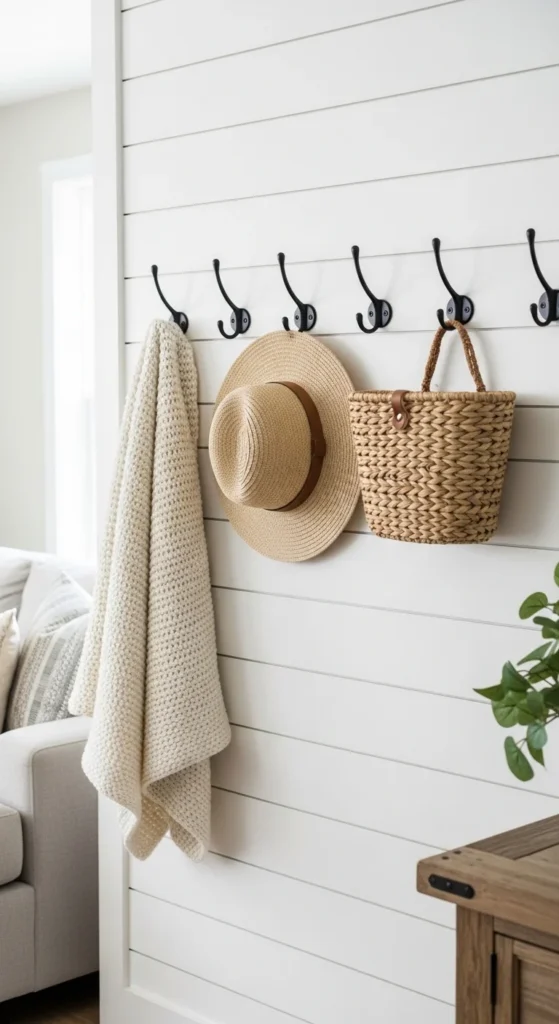
Wall hooks handle everyday items. Hang throws, hats, or small bags. Install near seating or entry points. Choose simple metal or wood hooks. Keep spacing even. This frees drawer and basket space. You gain easy-access storage that doubles as decor.
21. Slim Console Table Behind Sofa
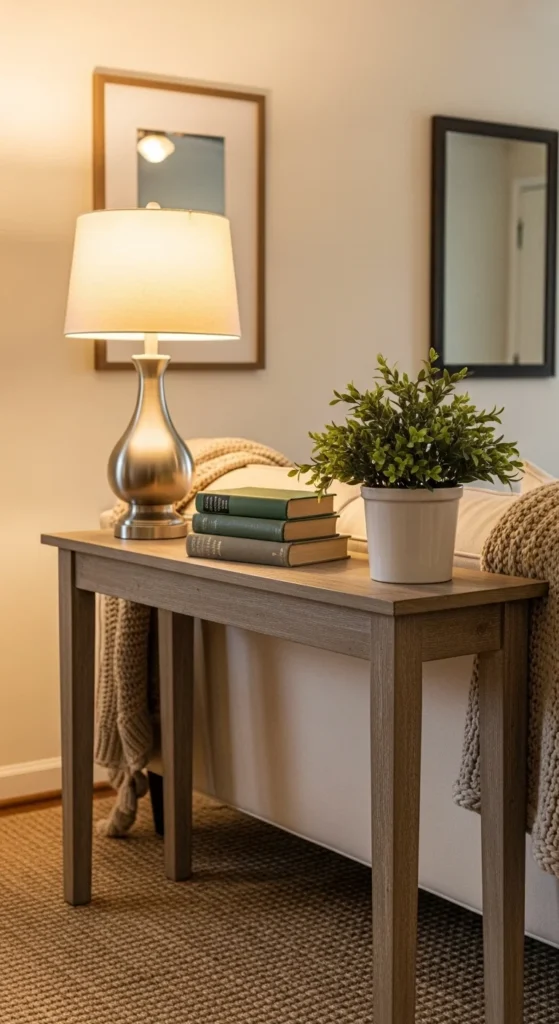
A slim console behind the sofa adds function without stealing floor space. Choose tables under 12 inches deep. Use the surface for a lamp and small decor. Add baskets underneath for hidden storage. This creates extra utility in unused space and keeps side tables optional.

Leave a Reply