

1. Pressed Floral Frame Grid
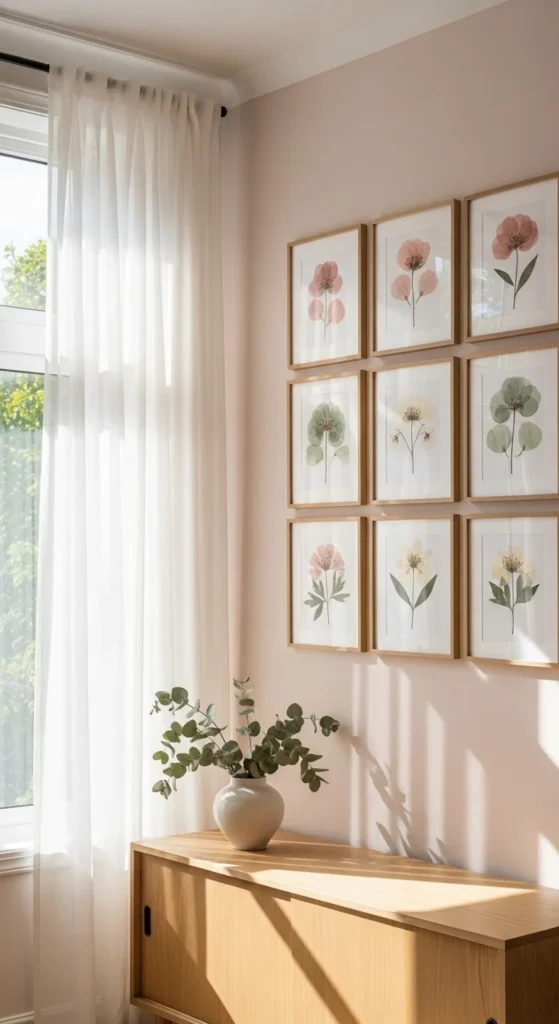
Pressed florals bring color without loud patterns. They also feel personal. Start by collecting blooms from a walk or grocery bouquet. Dry them between heavy books. Use matching frames for a clean look, or mix light woods for warmth. Keep the background white so the petals stand out. This works well above a sofa or console. Budget-friendly art is part of the appeal here. Dollar-store frames work just fine. For balance, space frames evenly using painter’s tape first. Swap flowers with the seasons to keep things feeling current. If humidity is high, add silica gel packets behind the backing. For renters, Command strips prevent wall damage. Pair the wall with a linen throw or simple ceramic vase nearby. The colors echo without matching exactly. That keeps the room relaxed and easy to live with.
2. Painted Arch Accent Wall
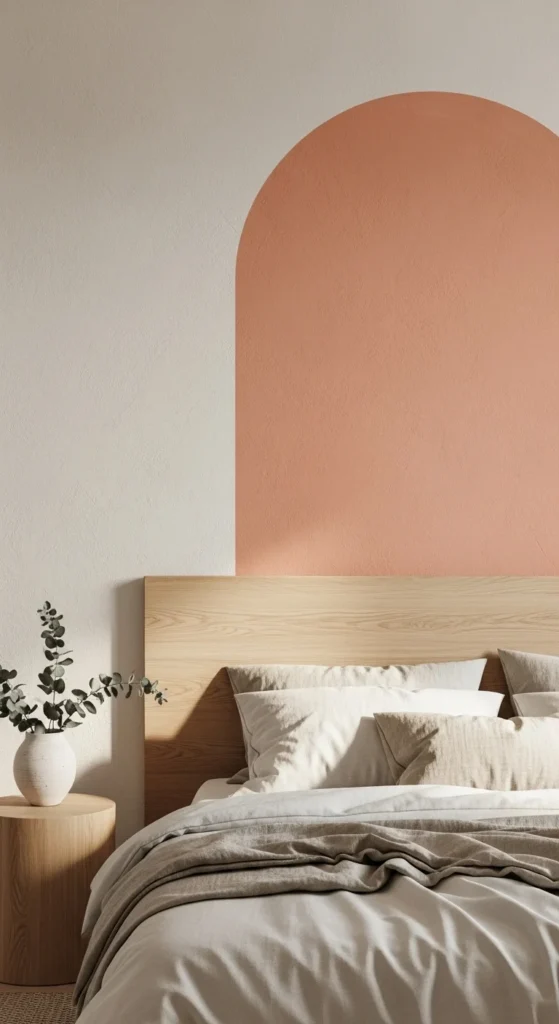
Paint can act as decor on its own. A soft arch adds structure without frames. Choose two spring-leaning shades that sit close together. Think peach and sand, or sage and cream. Sketch the arch lightly in pencil first. Use a plate or string to keep curves smooth. No artistic background required here. Matte finishes hide flaws better than gloss. This idea works behind a bed, desk, or reading chair. If commitment feels heavy, try peel-and-stick paint decals instead. Keep nearby decor simple so the wall remains the focus. Wood tones and light fabrics help. Avoid crowding the shape with shelves. Let it breathe. When seasons change, repainting is quick and affordable. Leftover paint can refresh planters or trays later.
3. Botanical Wallpaper Panels
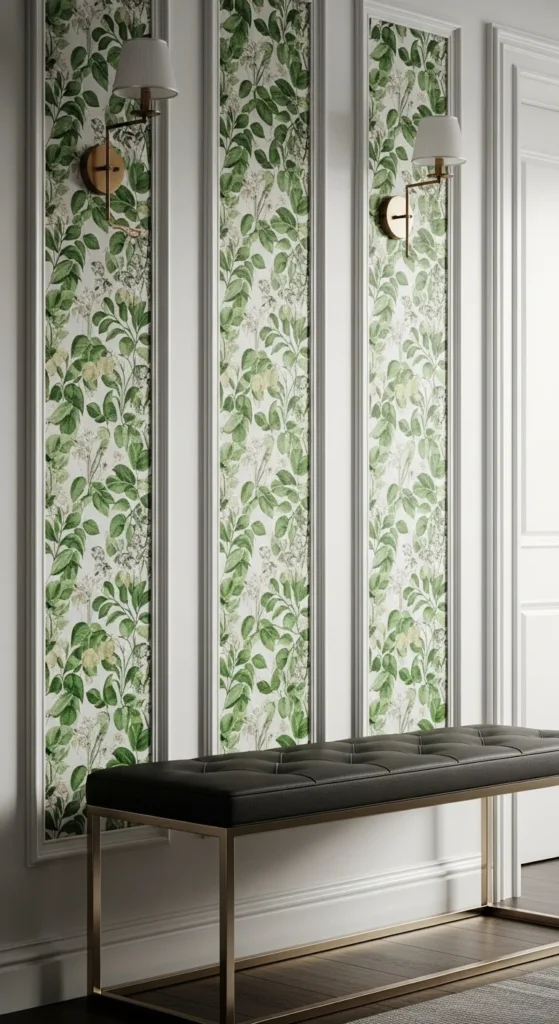
Wallpaper doesn’t have to cover everything. Panels feel intentional and lighter. Use removable wallpaper for flexibility. Cut equal sections and frame them with thin molding or washi tape. This gives a custom look without major work. Florals or leafy prints suit spring well. Stick to a limited palette so it doesn’t overwhelm. Peel-and-stick wallpaper works best on smooth walls. Hallways, powder rooms, or small nooks are ideal spots. Keep furniture nearby simple and solid-colored. That contrast helps the pattern shine. If budget is tight, use wallpaper samples instead of full rolls. Arrange them vertically for height. When it’s time for a change, removal is simple. No long-term commitment, just color where you want it.
4. Woven Basket Wall Cluster
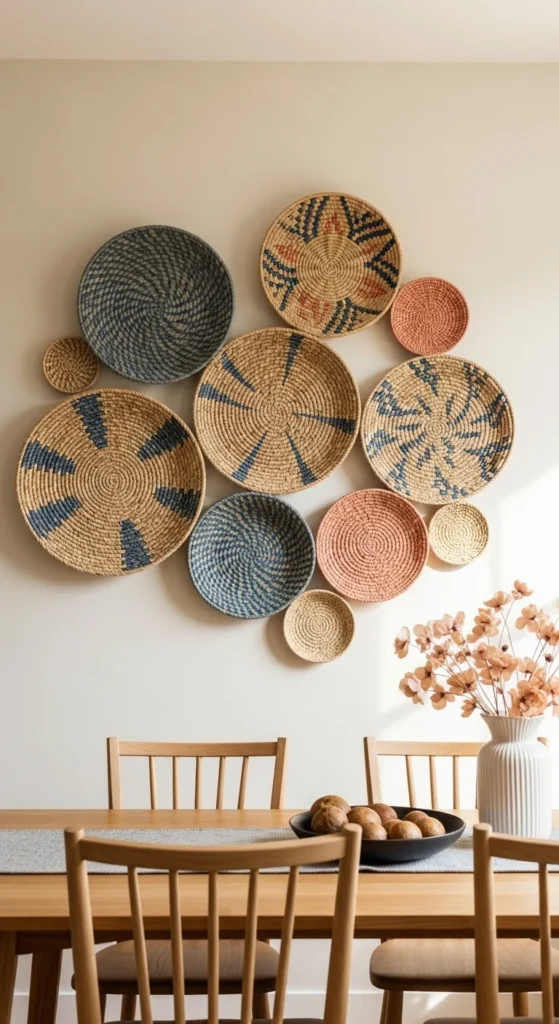
Basket walls add texture fast. They also soften flat surfaces. Mix sizes but keep colors related. Natural fibers with hints of spring shades feel relaxed. Lay them out on the floor first to plan spacing. Hang using small nails or hooks. Texture over perfection is the goal. Slight variation looks better than strict symmetry. This idea works well in dining rooms or stairwells. Thrift stores and markets often have affordable options. If colors feel dull, lightly brush-dye a few baskets with watered-down paint. Let them dry fully before hanging. Pair the wall with simple wood furniture. Avoid heavy patterns nearby. The woven surfaces already carry visual interest.
5. Vintage Window Frame Art
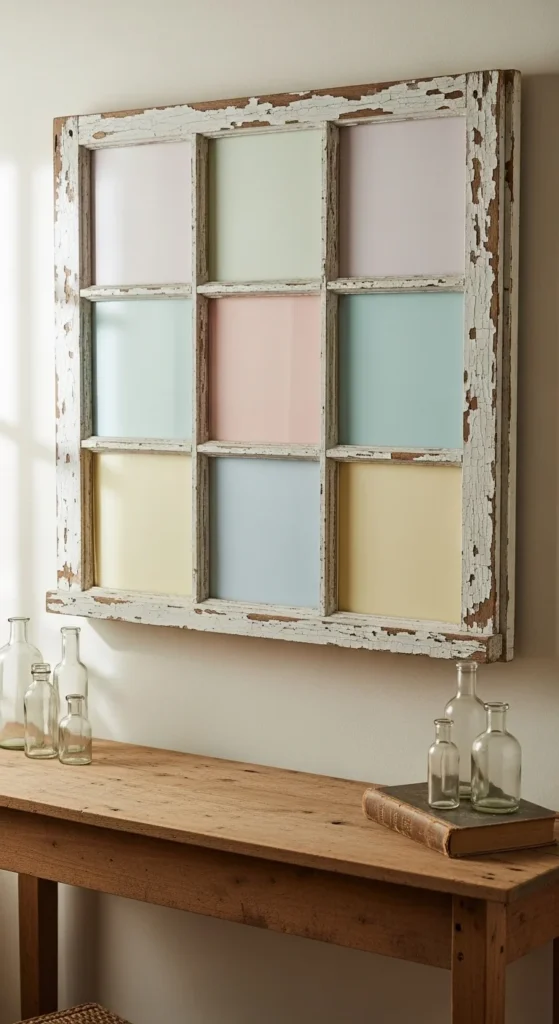
Old window frames tell a story. Hung on a wall, they add charm and structure. Slide pastel paper, fabric, or floral prints behind the panes. This adds color without paint. Salvaged decor keeps costs low. Flea markets and salvage yards are great sources. Lightly sand rough spots and seal with clear wax if needed. This piece works well in entryways or living rooms. Keep surrounding decor minimal. A simple lamp or plant nearby is enough. If glass is intact, consider pressing flowers inside each pane. For renters, lean the frame on a shelf instead of hanging. The look stays relaxed and inviting.
6. Pastel Plate Wall
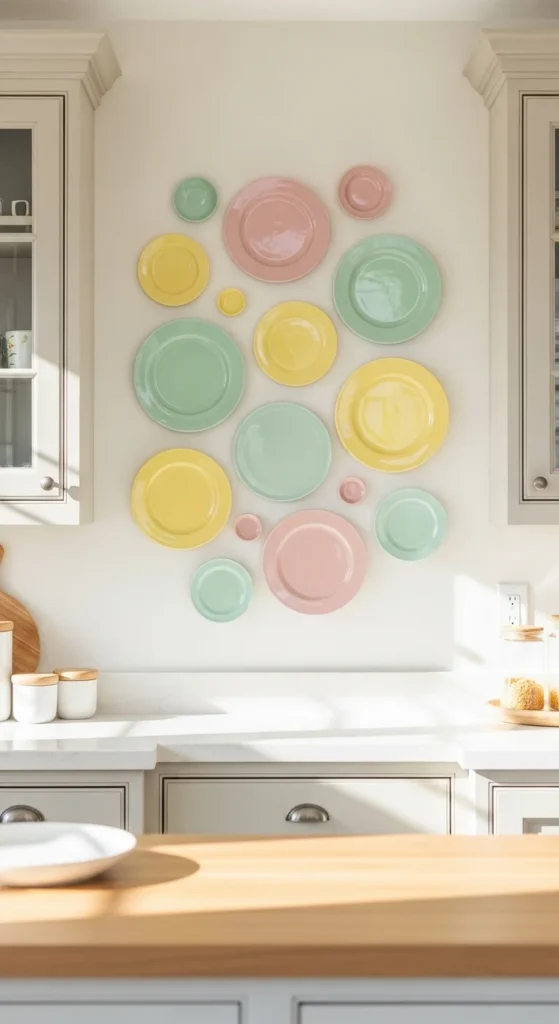
Decorative plates aren’t just for cabinets. On walls, they bring color and shine. Choose plates with similar tones but varied patterns. Use plate hangers for secure mounting. Start with a center plate, then build outward. Soft color repetition keeps the display calm. Kitchens and breakfast nooks suit this idea well. Thrifted plates often cost very little. Check for chips before hanging. If patterns feel busy, mix in solid plates. Keep the rest of the wall simple. Open shelves or white tile pair nicely. When tastes change, swap plates easily. No repainting required.
7. Hand-Painted Canvas Florals
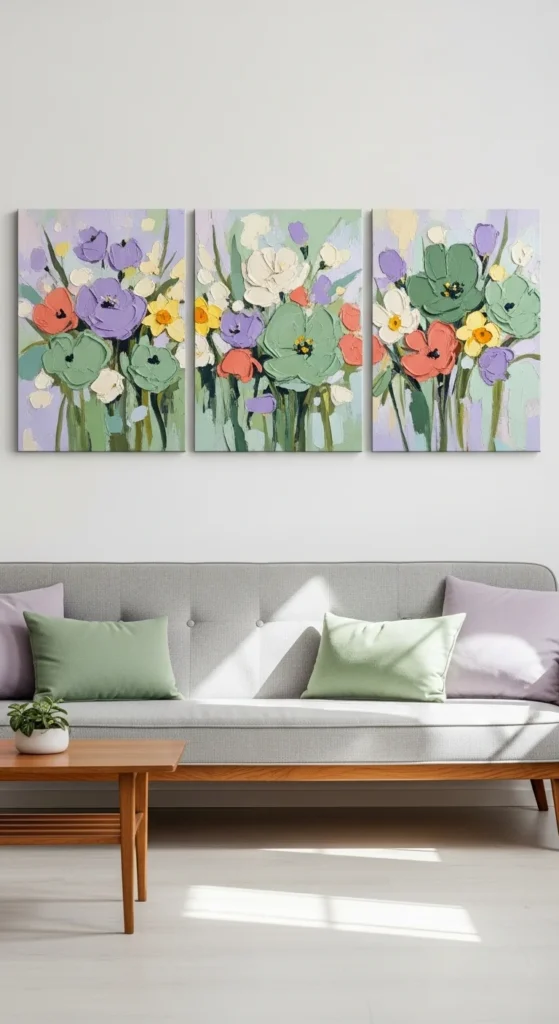
You don’t have to be an artist to try this. Abstract florals focus on movement, not detail. Use acrylic paints for quick drying. Start with a light base coat. Layer colors loosely. Imperfection adds charm here. Limit the palette to three or four shades. Hang canvases as a pair or trio for balance. This works well in living rooms or bedrooms. If painting feels intimidating, try sponge or palette knife techniques. Keep frames simple or skip them entirely. The texture becomes part of the appeal. This wall art feels personal and one-of-a-kind.
8. Spring Quote Textile Banner
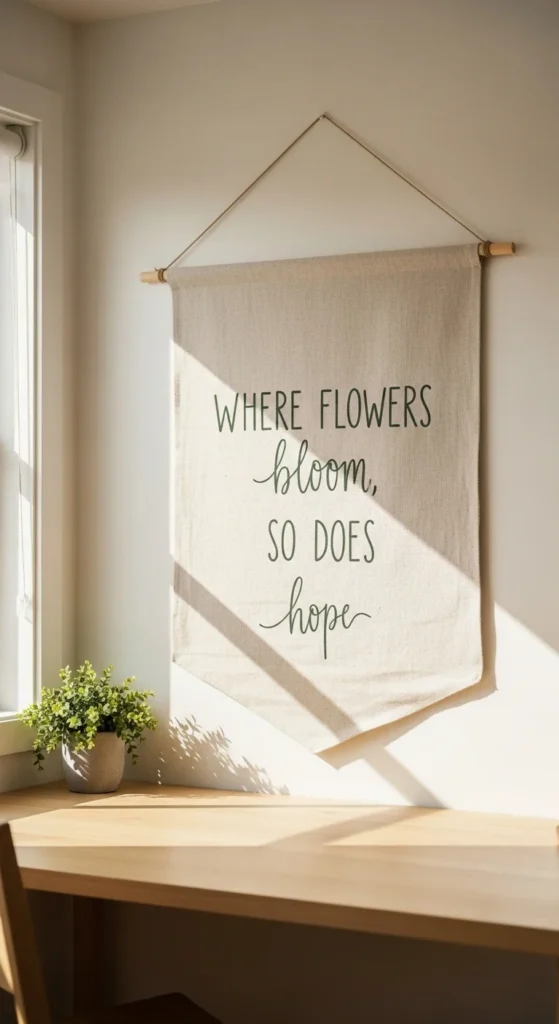
Textiles soften walls fast. A fabric banner brings color without heaviness. Choose linen or cotton for a relaxed look. Hand-lettering adds personality. If lettering isn’t your thing, stencil instead. Lightweight wall decor suits small rooms well. Hang with a dowel and simple string. Offices, reading corners, or bedrooms are great spots. Keep the message short. Too much text can feel busy. Wash fabric before lettering to avoid shrinkage later. Pair with simple shelves or plants nearby. When seasons shift, swap banners easily. Storage is simple and space-saving.
9. Color-Blocked Wood Panels
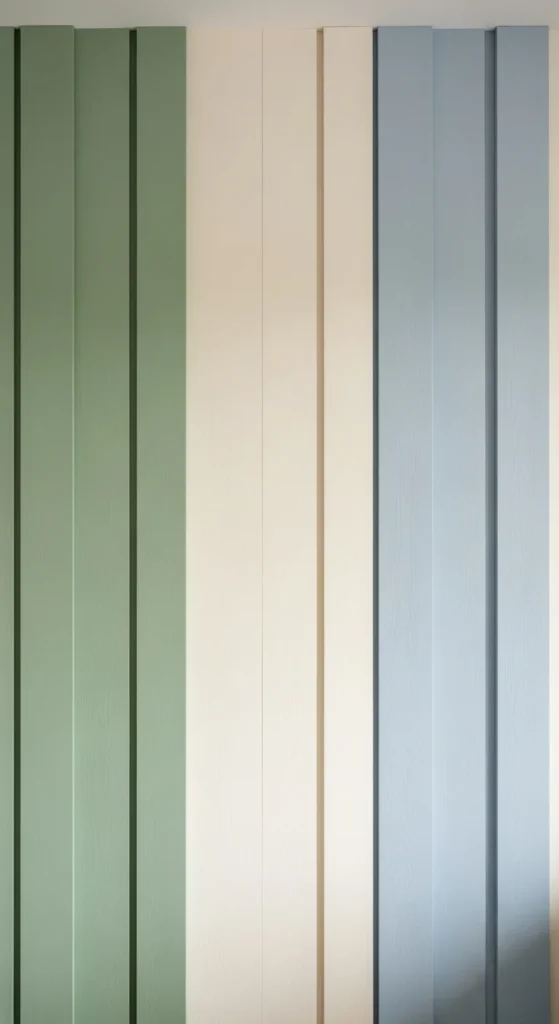
Wood panels add structure. Paint adds color. Together, they feel balanced. Use thin plywood or MDF strips. Secure them vertically for height. Paint each panel a different but related shade. Clean lines with soft color work best here. Living rooms or home offices suit this style. Keep furniture simple and low-profile. Use a level to keep lines straight. If tools are limited, adhesive mounting can work for lightweight panels. This wall becomes a backdrop rather than a focal overload. The result feels calm but not plain.
10. Floating Shelf with Spring Vignettes
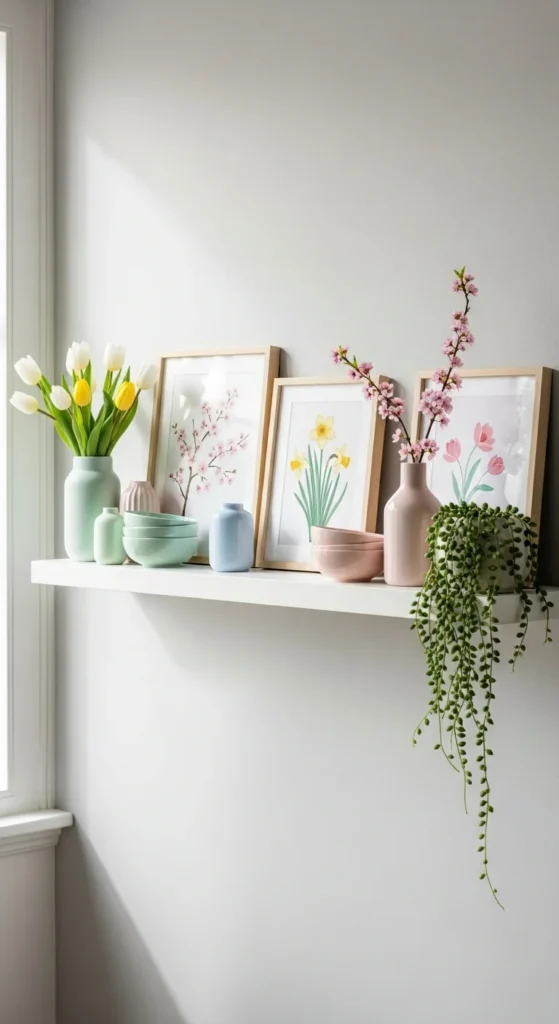
A single shelf can change a wall. Style it lightly. Choose items with space between them. Small art prints, soft-colored pottery, and greenery work well. Negative space matters here. Overcrowding kills the effect. Use a level during installation. This works in kitchens, bedrooms, or hallways. Rotate decor seasonally to keep things feeling current. Stick to odd numbers when grouping objects. Vary heights for interest. If drilling isn’t allowed, use heavy-duty adhesive brackets rated for the shelf weight. Keep colors gentle so the wall doesn’t feel busy.
11. Floral Wall Decals
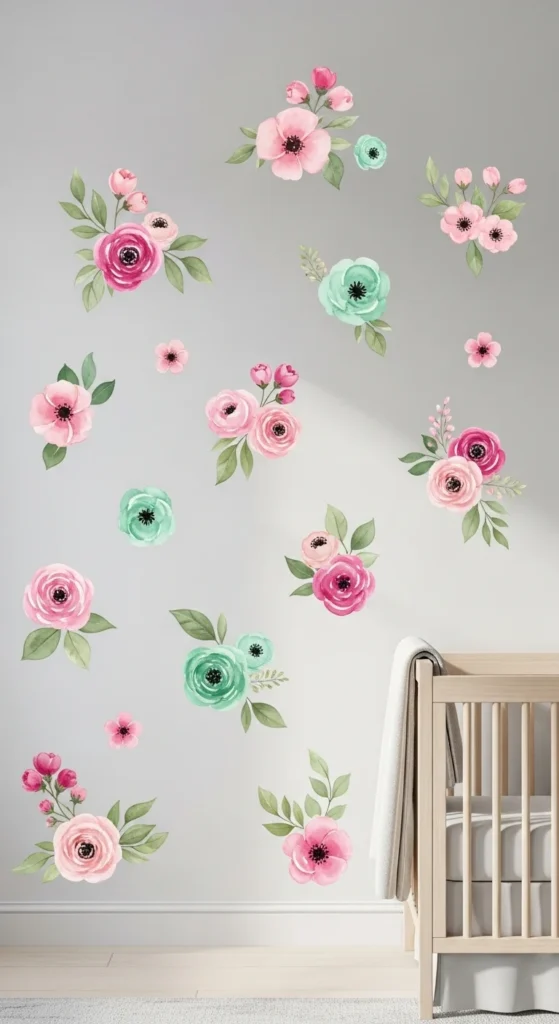
Wall decals are simple and flexible. They add color without tools. Choose watercolor-style florals for a painted look. Arrange them loosely rather than in rows. Low-commitment decor suits rentals well. Nurseries, bathrooms, or small bedrooms are great places. Clean the wall before applying for better hold. Step back often while placing to check balance. When it’s time for a change, peel them off slowly. No residue left behind. Pair decals with solid bedding or rugs. This keeps the room from feeling crowded.
12. Vintage Botanical Prints
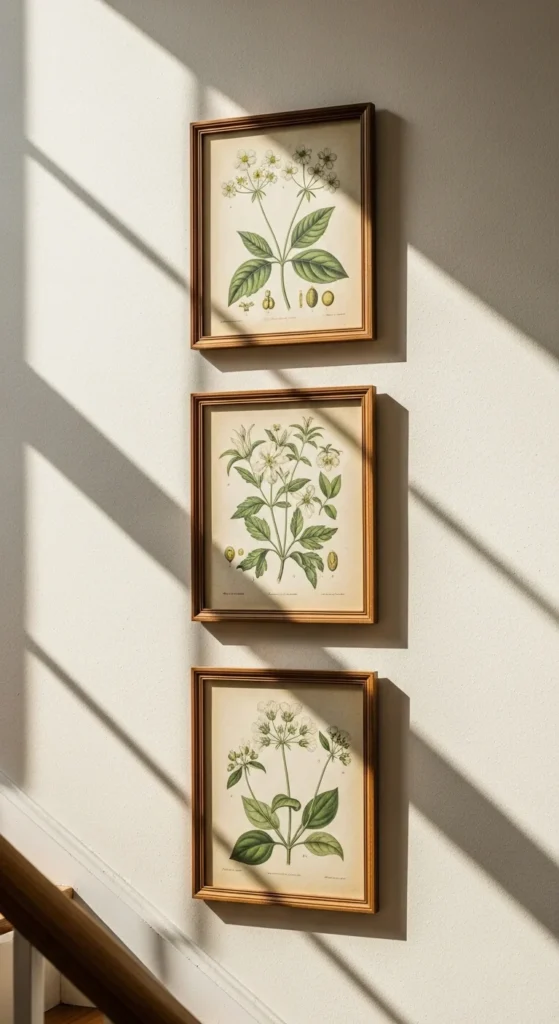
Botanical prints never go out of style. Vintage versions feel calm and studied. Look for reproductions online or in secondhand shops. Frame them simply. Wood or thin gold frames work well. Timeless wall art fits many rooms. Staircases and hallways are perfect for vertical arrangements. Keep spacing consistent. Use a laser level if possible. If originals are costly, print high-resolution scans on matte paper. The result still feels thoughtful. Let the colors tie into nearby rugs or runners.
13. Mirror with Painted Frame
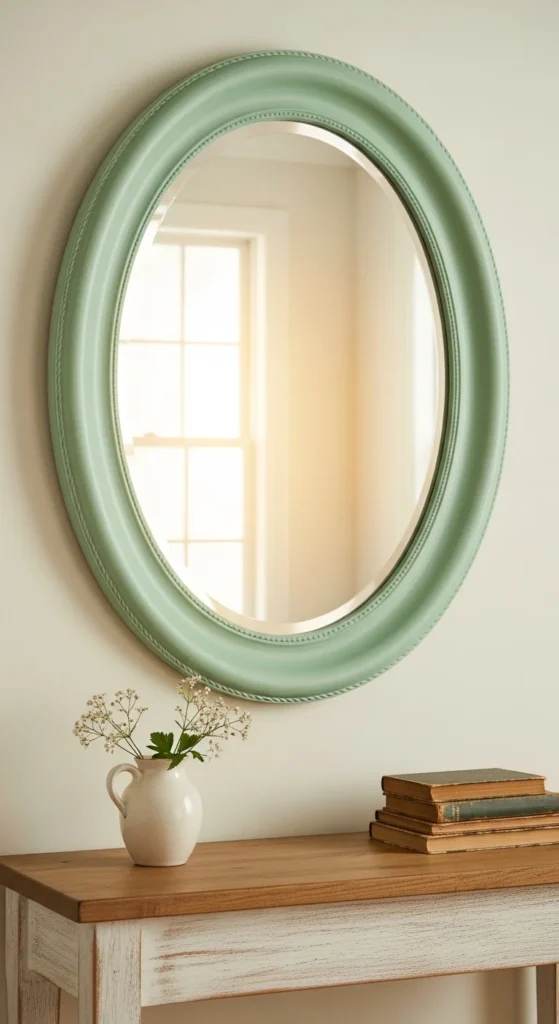
Mirrors add light and color when framed right. Paint an existing frame in a spring shade. Light sanding helps paint stick. Use thin coats for smooth results. Functional decor works harder for you. Entryways and bedrooms benefit most. Keep the wall around it simple. The mirror already draws attention. If the frame has details, dry-brush paint to keep texture visible. Seal with clear wax or matte sealer. This small change makes a big visual difference.
14. Paper Flower Wall Installation
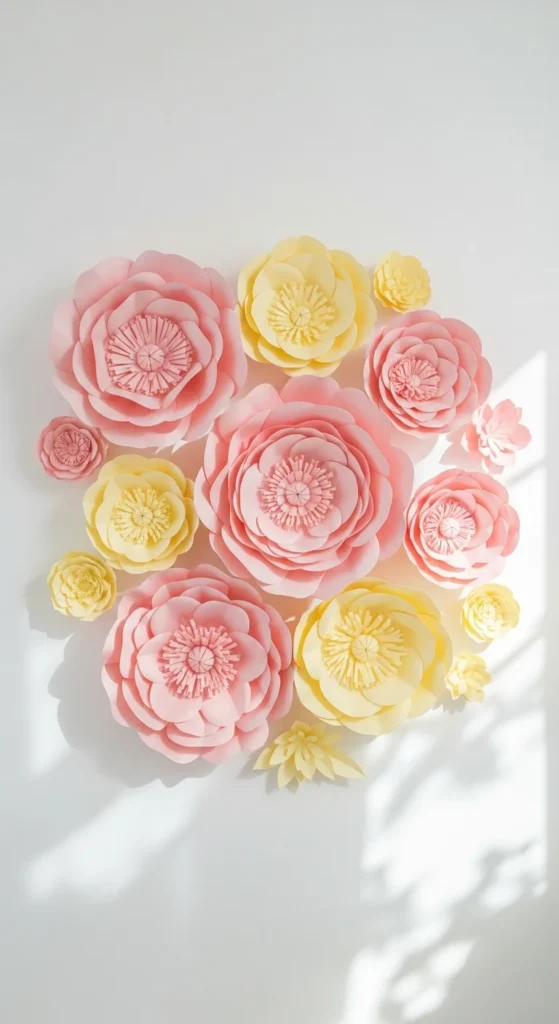
Paper flowers feel playful. They also photograph well. Use cardstock or crepe paper. Templates help with shaping petals. Arrange flowers in clusters rather than lines. Handmade wall decor adds personality. Living rooms or party spaces suit this idea. Use removable adhesive dots for hanging. Vary flower sizes for depth. When not in use, store them flat in boxes. This keeps them reusable. Pair with simple furniture so the wall remains the focus.
15. Ombre Painted Wall Strip
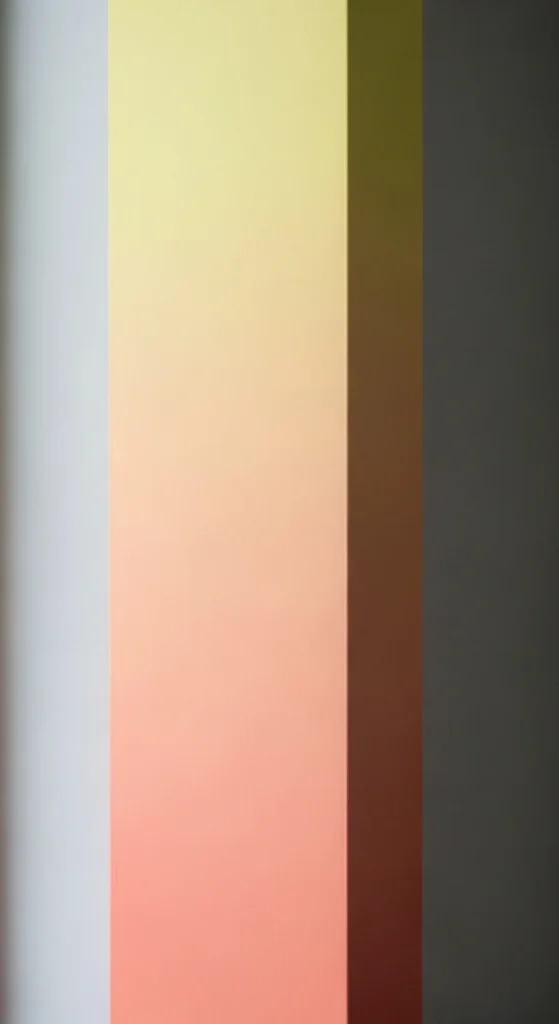
An ombre strip adds color without covering the whole wall. Choose two close shades. Blend while paint is still wet. Use a damp brush or sponge. Subtle gradient effects feel calm. This works beside windows or doors. Keep the strip narrow for restraint. Surrounding walls should stay neutral. Practice blending on cardboard first. If the blend isn’t perfect, step back. Distance softens transitions. This idea suits modern and minimalist spaces well.
16. Spring-Themed Wall Clock
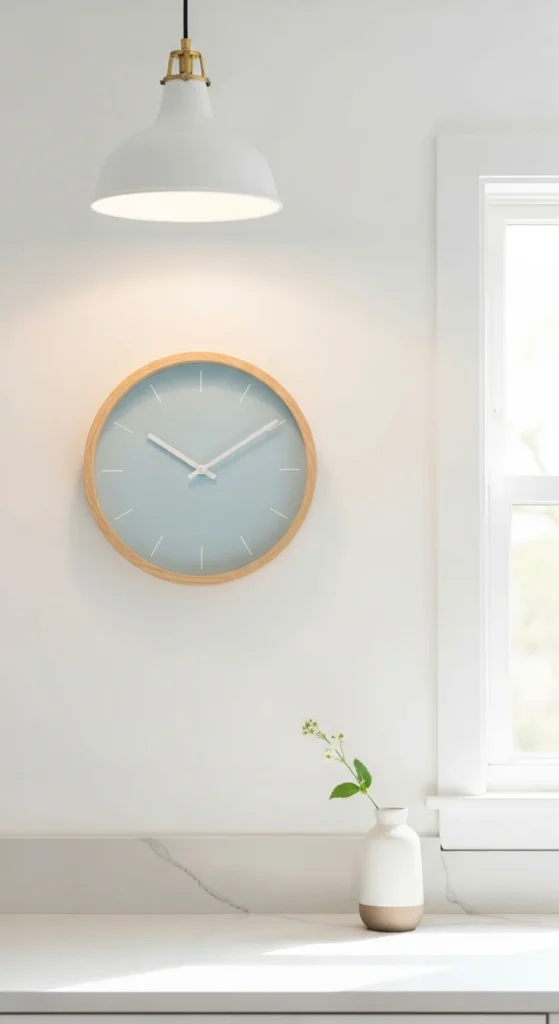
A clock can be decorative too. Choose one with a colored face or frame. Pastels suit spring themes well. Keep numbers simple. Useful wall accents save space. Kitchens and offices are ideal spots. Match the clock color with small accessories nearby. This creates a quiet connection. Avoid oversized designs if the wall is small. Balance matters more than size. This update takes minutes but changes the feel of the room.
17. Framed Fabric Swatches
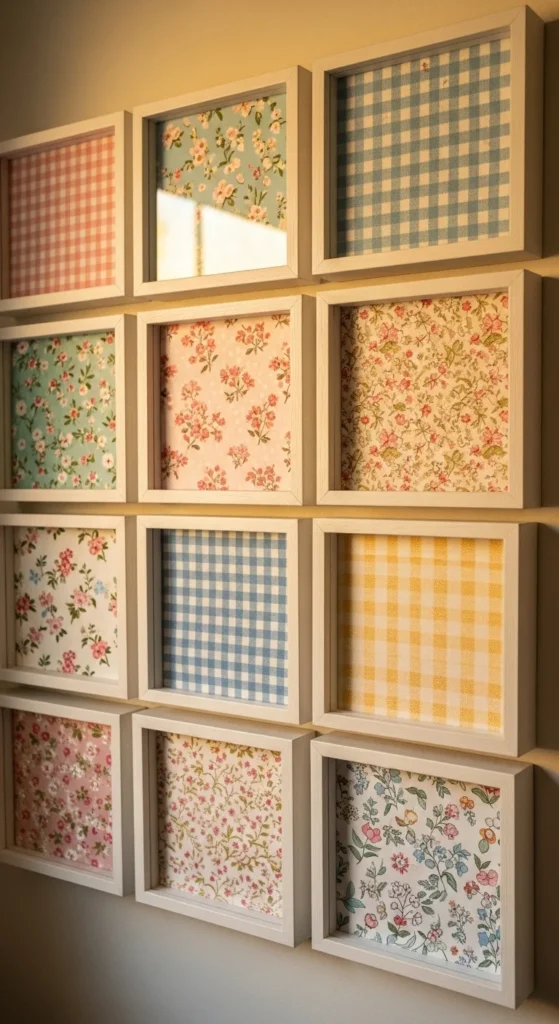
Fabric brings warmth to walls. Framing swatches turns them into art. Choose cotton or linen for texture. Stick to a shared color family. Textile wall art works well in creative spaces. Craft rooms, bedrooms, or closets benefit from this idea. Stretch fabric over cardboard for smooth results. Secure it at the back. Keep frames thin so fabric remains the focus. This is a good way to use leftover material. It also adds color without paint.
18. Painted Peg Rail with Decor
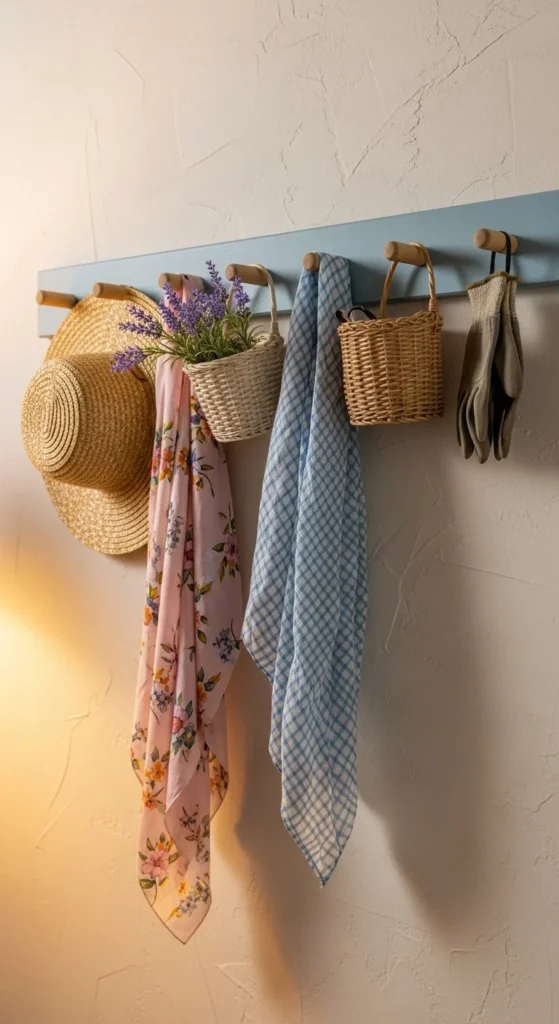
Peg rails combine storage and style. Paint them a gentle shade. Blue, green, or cream work well. Hang lightweight decor for color. Wall storage with style keeps clutter down. Hallways and entryways suit this idea. Space pegs evenly for balance. Use anchors if hanging heavier items. Keep the wall above clear so the rail stands out. This idea is practical and decorative at once.
19. Spring Art Print Gallery
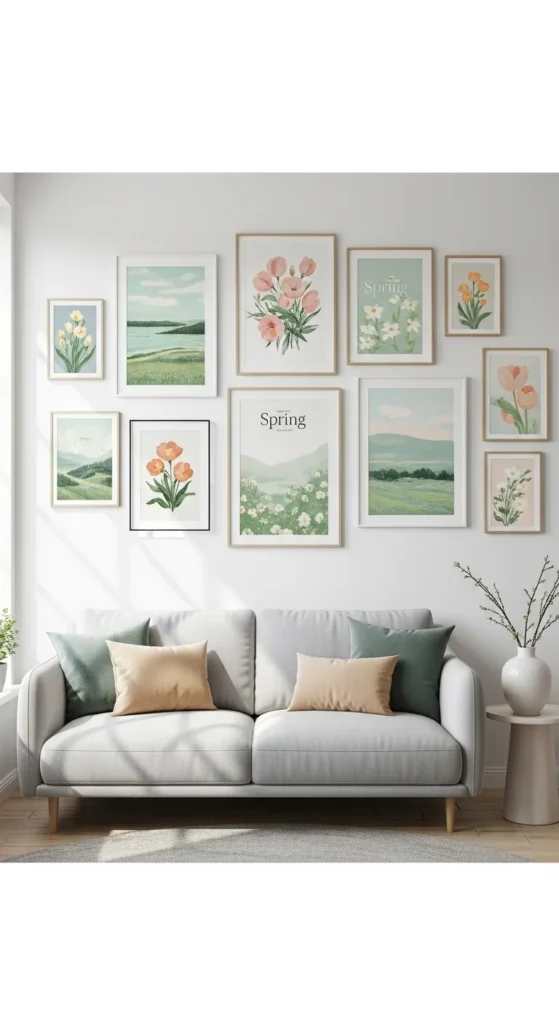
Gallery walls allow flexibility. Choose prints with similar tones. Florals, abstracts, and line art mix well. Lay everything out on the floor first. Cohesive color stories matter more than matching frames. Living rooms are ideal for this setup. Use paper templates to plan spacing. This avoids extra holes. Swap prints seasonally to keep things current. Frames stay put. Only the art changes.
20. Painted Mason Jar Wall Sconces
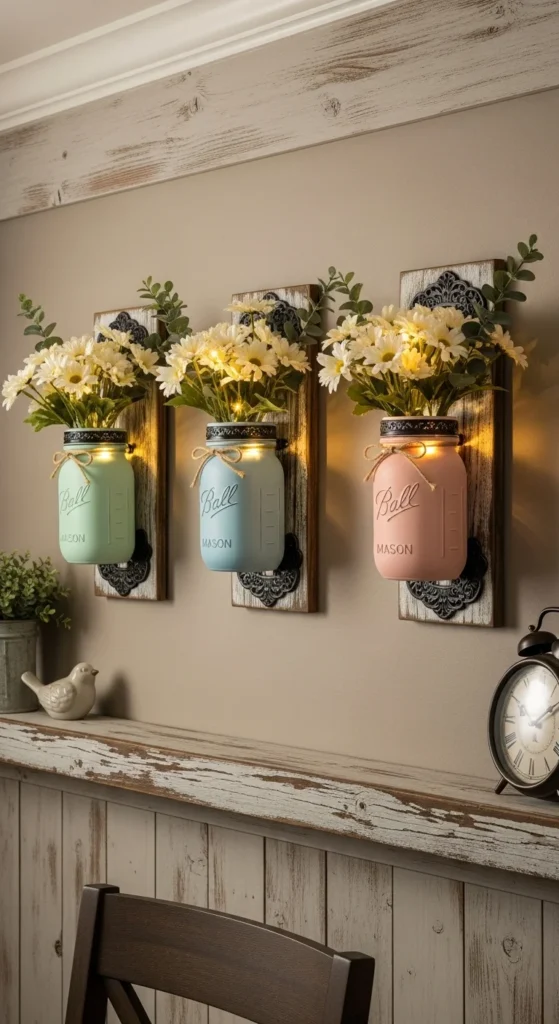
Mason jars aren’t just for shelves. Mounted on walls, they add charm. Paint jars lightly so glass still shows. Fill with faux or dried flowers. Simple DIY wall accents work well in dining spaces. Use pre-made sconce brackets for safety. Keep spacing even. If lighting is added, use battery-operated options. This avoids wiring. Pair with wood furniture for a cohesive look. The result feels casual and welcoming.
21. Spring Color Picture Ledges
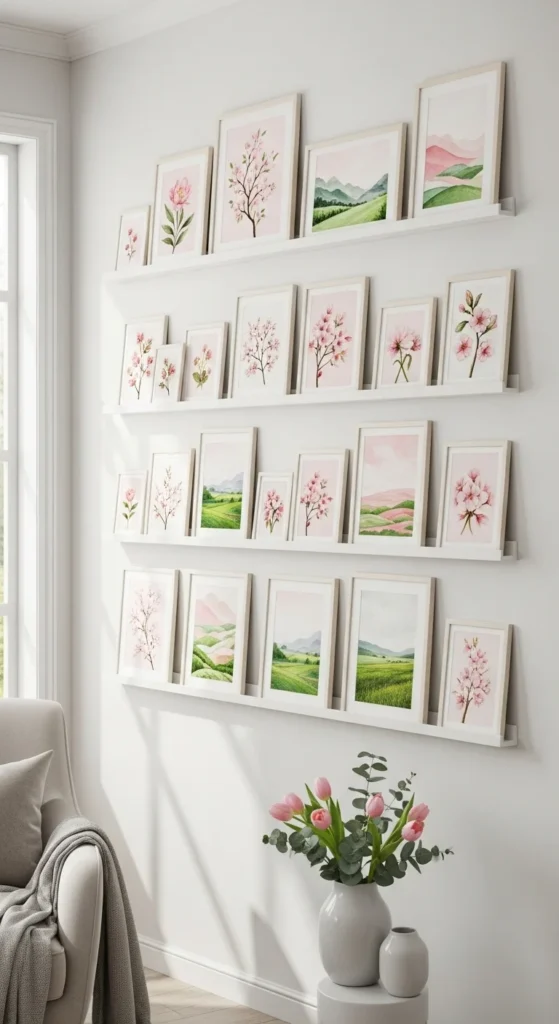
Picture ledges give flexibility without visual clutter. Layer art instead of hanging everything flat. This adds depth fast. Stick to a soft spring palette so the wall feels cohesive. Easy-to-swap wall styling is the real win here. Rotate prints as moods change. Use lightweight frames to keep ledges from feeling heavy. Space ledges evenly for a clean look. This setup works well above sofas or desks. If budget is tight, print digital art at home on textured paper. Keep the wall color neutral so the art stands out without shouting.
22. Painted Wooden Letters
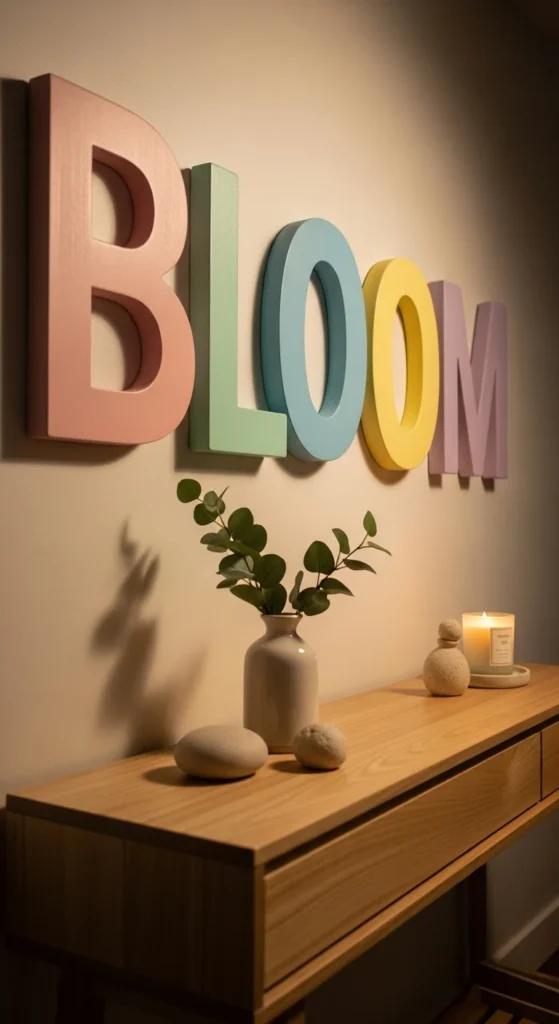
Wood letters add personality without artwork. Paint each letter a different spring tone for a cheerful effect. Sand lightly before painting for smoother coverage. Personalized wall decor feels more intentional than store-bought signs. Entryways and playrooms suit this idea well. Keep the word short to avoid clutter. Mount letters using adhesive strips for easy removal. Balance the wall with a simple table or bench below. Avoid adding too many accessories nearby. Let the letters carry the color.
23. Floral Stencil Accent Panel
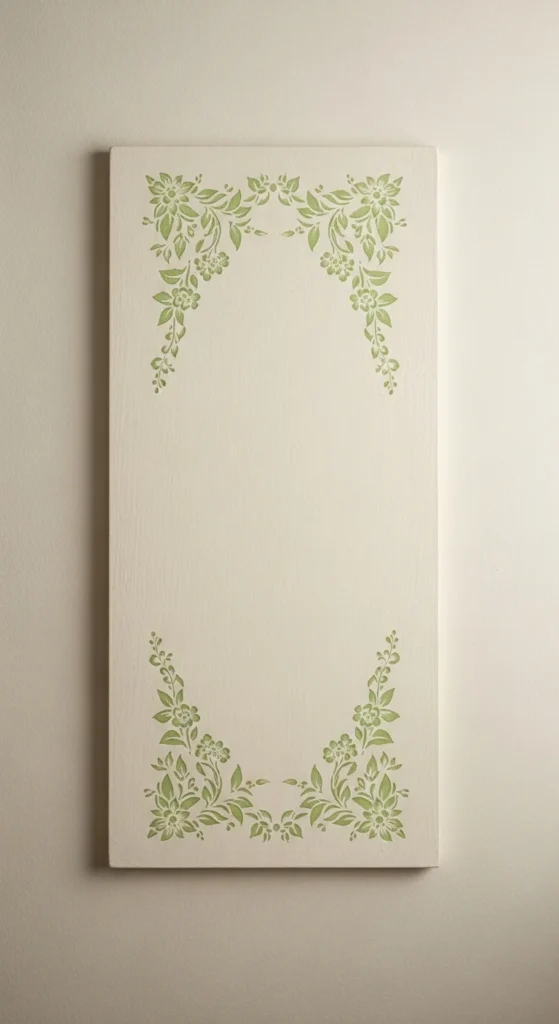
Stencils offer pattern without wallpaper. Choose a floral design with open space. Tape off a rectangular area to frame the pattern. Use a foam roller for even paint application. Controlled pattern placement keeps the look calm. This works well in bedrooms or dining areas. Practice on scrap paper first. Use minimal paint to avoid bleeding. Once dry, remove tape slowly. Pair the panel with simple furniture so the detail doesn’t compete. This idea adds charm without covering the whole wall.
24. Hanging Dried Flower Bundles
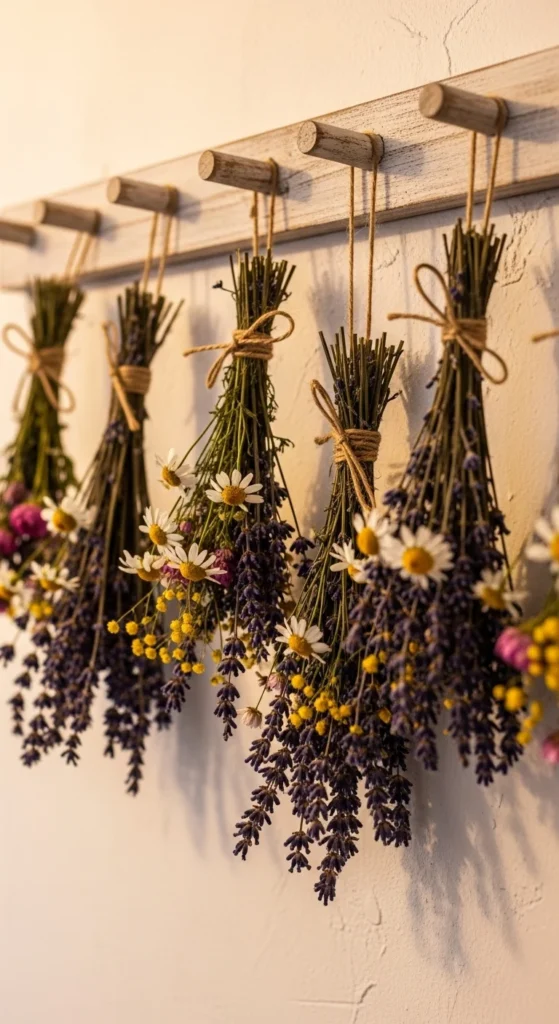
Dried flowers bring texture and gentle color. Hang them in small groups rather than large bunches. This feels lighter. Nature-inspired wall accents suit kitchens and hallways. Use twine or thin ribbon for hanging. Keep spacing loose and organic. If colors fade over time, that only adds character. For a budget option, dry grocery store flowers upside down. Avoid humid rooms to preserve them longer. This wall style feels relaxed and handmade.
25. Spring Color Block Canvas Set
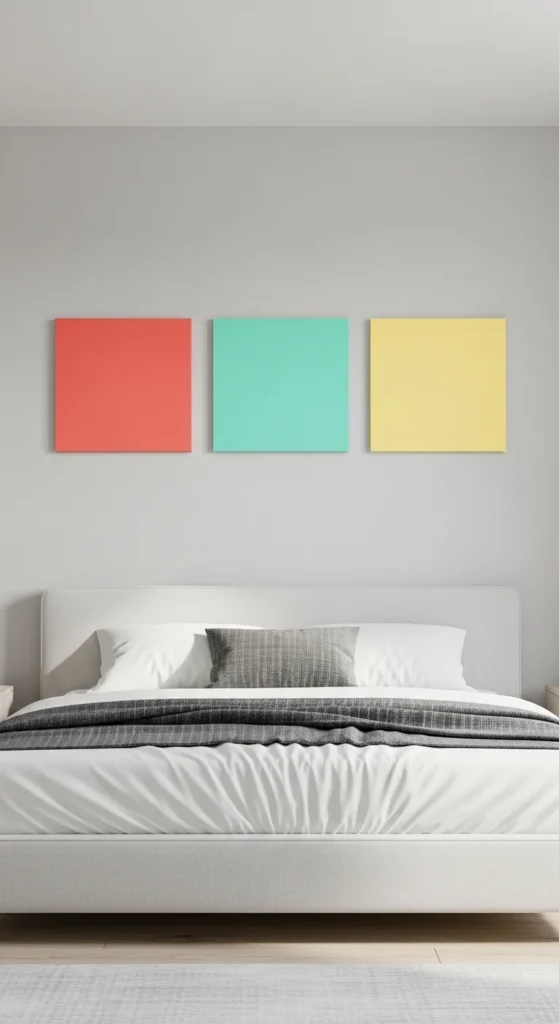
Color blocks feel graphic but simple. Use painter’s tape for sharp edges. Choose colors that work together without contrast overload. Bold color in small doses keeps the room balanced. Bedrooms and offices are good locations. Hang canvases with equal spacing for order. If paint bleeds slightly, touch up edges once dry. Keep bedding or furniture neutral so the art remains the focus. This project is quick and affordable.
26. Framed Spring Fabric Scarves
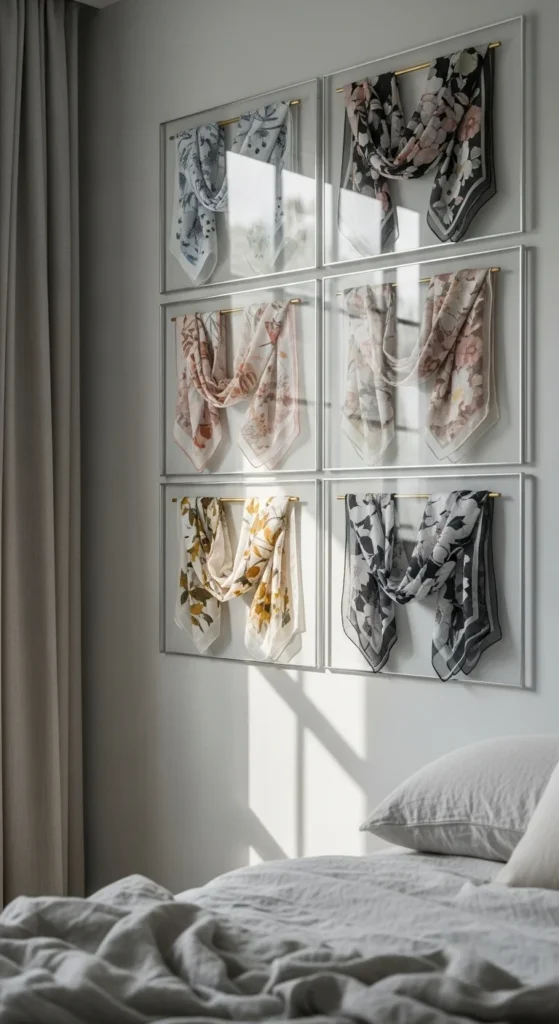
Scarves aren’t just accessories. Framed, they become wall art. Choose lightweight fabrics with spring patterns. Iron them first for smooth presentation. Unexpected textile decor adds softness to walls. Bedrooms or dressing areas suit this idea. Use deep frames to avoid pressing the fabric flat. Keep frame colors simple. White or wood works best. This is a smart way to display pieces you love but don’t wear often. It adds color without paint or prints.
27. Painted Wall Hooks with Decor
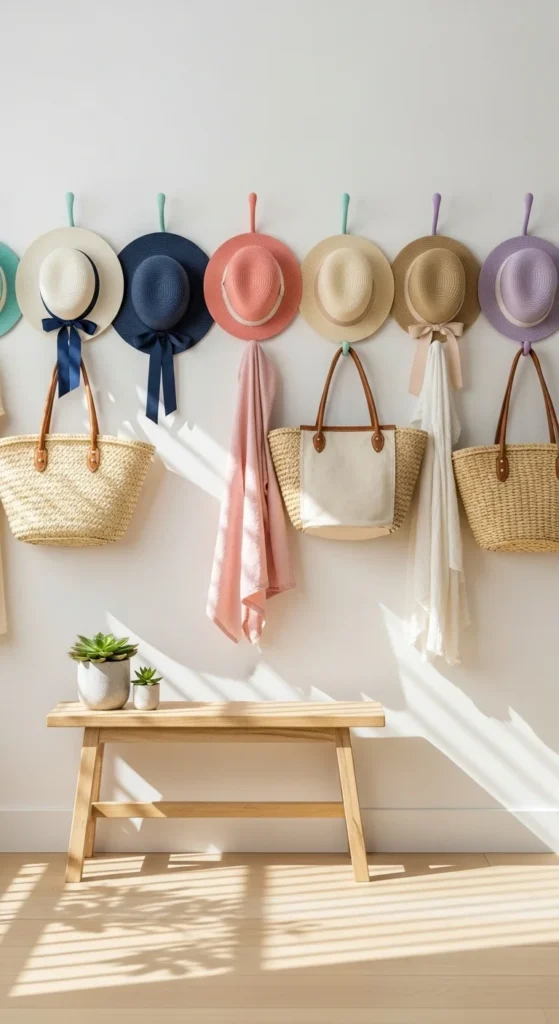
Wall hooks can be decorative too. Paint each one a different shade from the same palette. Space them evenly for order. Functional decor with color works well in small spaces. Entryways and mudrooms benefit most. Keep items lightweight to avoid visual heaviness. Use anchors if mounting into drywall. Pair hooks with a simple bench or rug below. This setup adds color while staying practical and easy to update later.

Leave a Reply